

Support CleanTechnica’s work through a Substack subscription or on Stripe.
Or support our Kickstarter campaign!
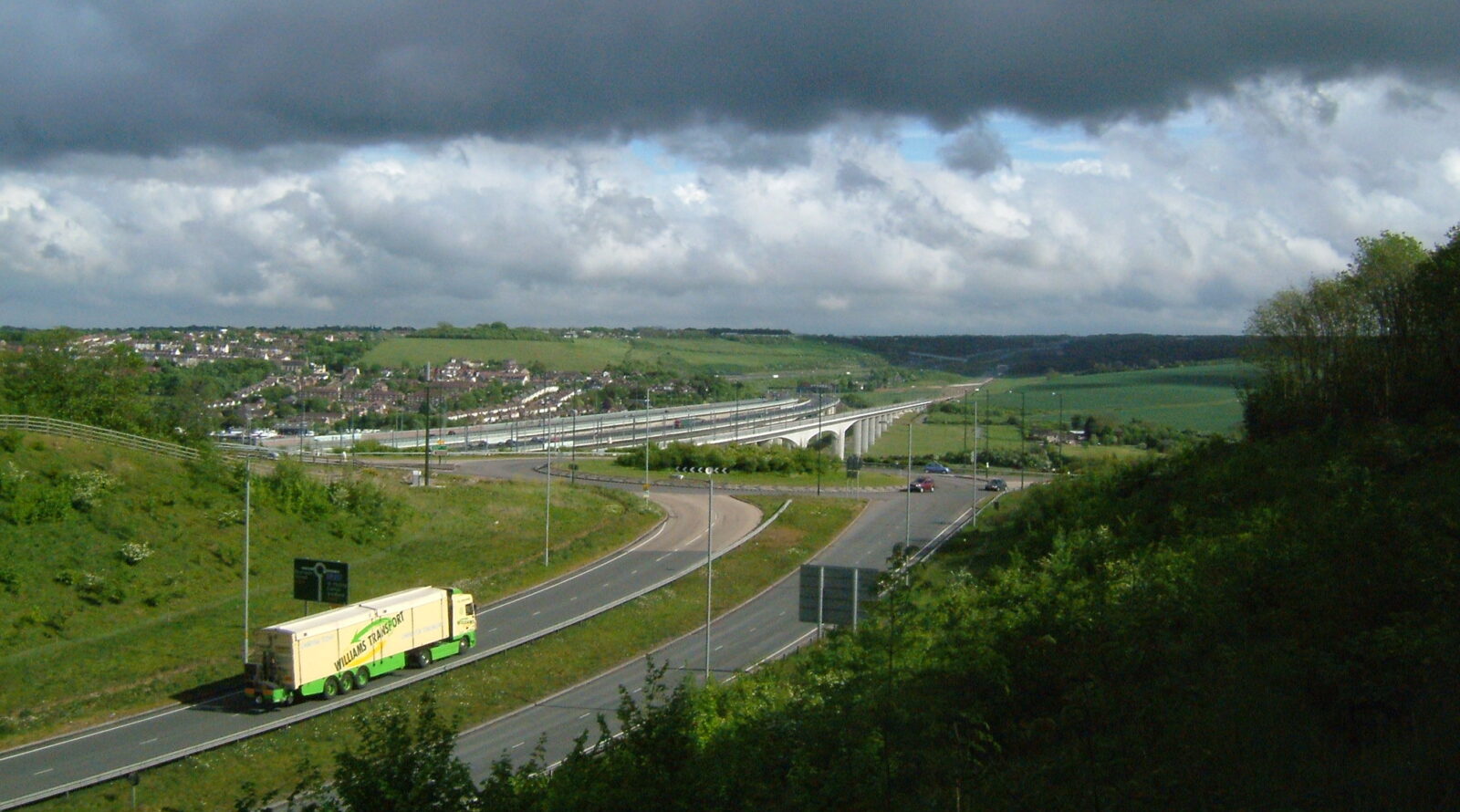
The venerable BBC just reported that 10,000 new EV chargers will be installed in Kent, UK. Kent is a county in southeast England, perhaps most well known as the location of Canterbury Cathedral and the white cliffs of Dover. Charles Dickens had a home there and he took long walks in the countryside, even walking from London to Kent on occasion.
Today, Kent’s population is a little over 1.9 million people, but the county retains many nature parks and reserves. Perhaps it is fitting that a huge number of EV chargers will be installed there.
“We’re pleased to support this programme because it offers practical help for residents and prepares Kent for the future. It will deliver reliable and affordable charging within walking distance of their homes, which is particularly important for people who do not have off-road parking – and it’s being delivered at no extra cost to council tax payers,” said Peter Osborne, cabinet member for highways and transport.
Currently, a little over 1,000 public EV chargers are operating in Kent; the extra 10,000 will obviously greatly expand charging options.
Kent County Council (KCC) said the funding for the charging project came from the Department for Transport’s Local Electric Vehicle Infrastructure (LEVI) Capital Fund.
While it may be sort of natural and understandable, there generally is much more focus on the EVs themselves, but the expansion of public EV charging infrastructure drives EV adoption too. One of the chief reservations some people have is “range anxiety.” Some people who are uncertain or nervous about EVs assume they must have a huge range to make the anxious people feel better. However, when there are enough public chargers, no EV needs to have huge driving range. The solution is not having EVs with huge batteries, or EREVs for that matter, it’s expanding public charging infrastructure.
In Kent, when there are 11,000 public EV chargers, the entire county might be covered enough that no EV there needs more than 250 miles of range.
The southeast region already has somewhat over 9,000 public EV chargers. “Over 2,000 public electric vehicle (EV) charge points have been added to the South East’s network in the last year, according to new government figures. The 29% growth since April 2024 means there are now over 9,200 public chargers in the region.”
When the new Kent chargers are installed, the southeast region may have over 19,200 total. I don’t live in Kent, nor have I lived there, so I don’t know how many petrol stations operate there, but the Google AI overview suggested there are over 200. Gradually, this number will dwindle as more and more electric vehicles replace gas and diesel ones. At some point, there may be none remaining.
Support CleanTechnica via Kickstarter

Sign up for CleanTechnica’s Weekly Substack for Zach and Scott’s in-depth analyses and high level summaries, sign up for our daily newsletter, and follow us on Google News!
Have a tip for CleanTechnica? Want to advertise? Want to suggest a guest for our CleanTech Talk podcast? Contact us here.
Sign up for our daily newsletter for 15 new cleantech stories a day. Or sign up for our weekly one on top stories of the week if daily is too frequent.
CleanTechnica uses affiliate links. See our policy here.
CleanTechnica’s Comment Policy