
PM Modi’s Five-Nation Tour: Securing Critical Mineral Partnerships to Fuel India’s Green & Tech Future

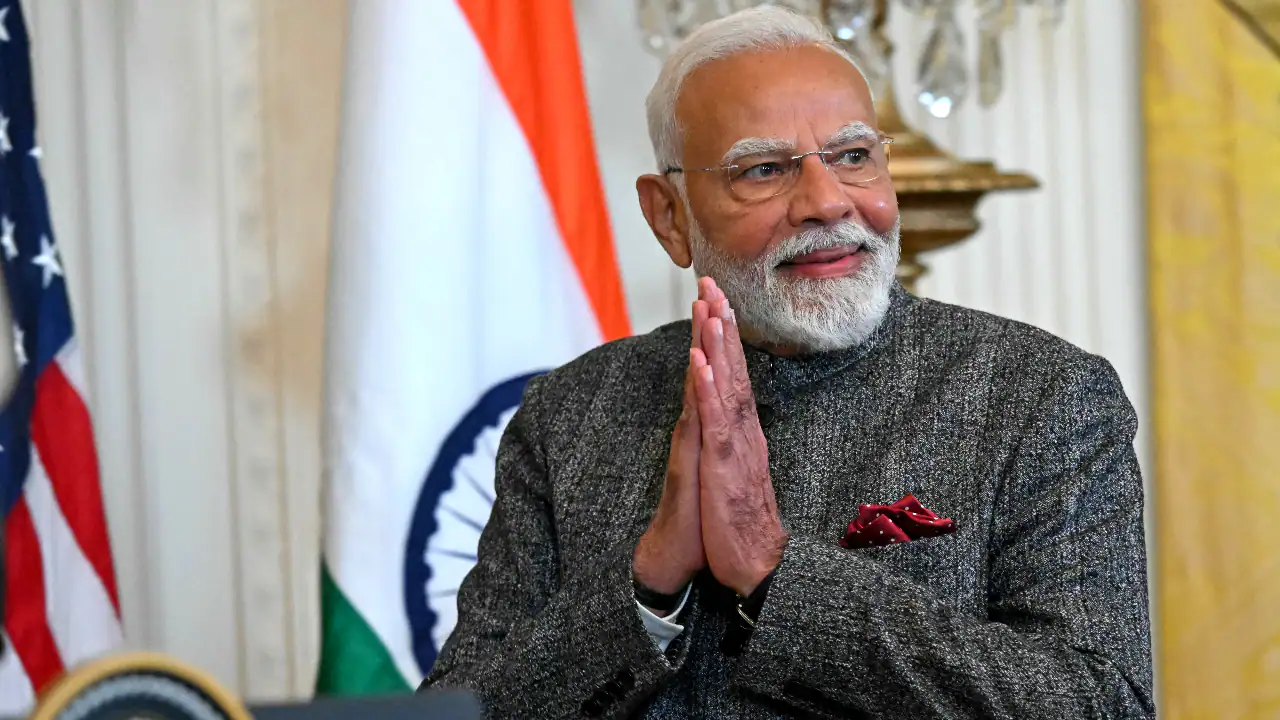
Prime Minister Narendra Modi has embarked on an eight-day, five-nation diplomatic journey across Ghana, Trinidad & Tobago, Argentina, Brazil, and Namibia (July 2–9), marking India’s most ambitious foreign outreach in a decade. While the tour spans multiple sectors including trade, defense, digital infrastructure, and cultural exchange, a central and unified thread is India’s strategic push to secure critical mineral supply partnerships—vital for powering the nation’s green energy ambitions and tech industries.
Why Critical Minerals?
India’s economic goals—achieving net-zero emissions by 2070 and targeting 30 percent electric vehicle adoption by 2030—necessitate secure access to minerals like lithium, copper, cobalt, and rare earth elements. Yet, rising export restrictions in countries like China have compelled New Delhi to diversify supply chains in Africa and Latin America.
Tour Highlights and Mineral Partnerships:
Ghana (July 2–3)
India’s Ministry of External Affairs highlights Ghana’s mineral wealth and its role in Africa’s critical minerals landscape. Discussions include defense cooperation, energy ties, and digital infrastructure, integrated with resource security.
Trinidad & Tobago (July 3–4)
This visit strengthens diaspora links and lays groundwork for future mineral and energy cooperation.
Argentina (July 4)
Modi’s first visit in 57 years explored India’s engagement on agriculture, energy, technology—and significantly, critical minerals like lithium, copper, and rare earths. State firms KABIL and NMDC backed by Coal India already hold Latin American mineral concessions. Discussions include expanding into Argentina, Peru, and Bolivia.
Brazil (July 5–8)
At the RBI summit, Modi will discuss global governance, climate action, and artificial intelligence, while reinforcing commitments on green energy minerals. State visits are expected to yield agreements in renewable energy, mining, and critical minerals.
Namibia (July 9)
Structured as a key mineral diplomacy stop alongside energy and uranium cooperation. Namibia, rich in uranium and potential rare earths, is central to India’s Africa strategy.
Institutional and Commercial Drivers
State-owned Khanij Bidesh India Ltd. (KABIL), Coal India, and NMDC are actively forging mining tenders and concession agreements in Africa and Latin America. In Argentina, five lithium exploration blocks have been allocated to KABIL since 2024.
Strategic and Economic Impacts
-
Enhances supply chain resilience, reducing reliance on Chinese exports
-
Accelerates India’s energy transition objectives by securing inputs for EV batteries and renewable technologies
-
Strengthens India’s global standing across the Global South, reinforcing multilateral collaboration through BRICS and regional blocs
Bottom Line
Modi’s diplomatic voyage—spanning two continents and multiple pivotal sectors—is anchored by India’s critical mineral ambitions. Through high-level agreements, mining concessions, and institutional coordination, India is laying the foundations for long-term resource ties. The tour showcases a strategic blend of green energy aspirations, industrial security, and global south solidarity.