
China’s Strategic Squeeze: Magnet Export Curbs and Staff Recalls Threaten Indian Manufacturing

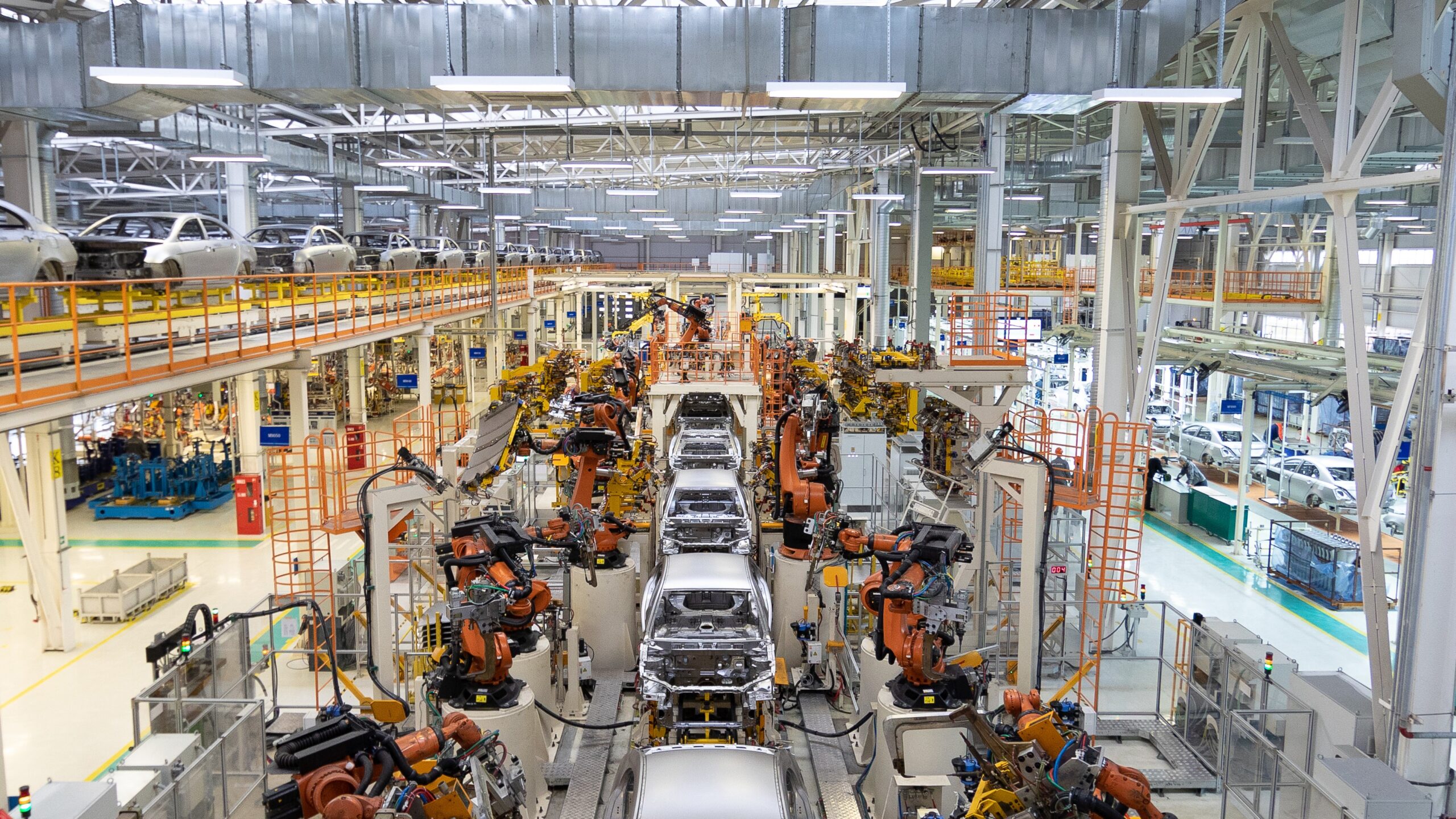
In a development that could disrupt critical industrial supply chains across Asia, China has imposed fresh export restrictions on rare-earth magnets and related raw materials—an essential component in everything from electric vehicles to wind turbines. Alongside this, reports indicate a coordinated recall of Chinese technical and managerial staff from manufacturing operations in India and Southeast Asia. The combined move appears to be a strategic maneuver by Beijing to reassert control over critical technologies and influence regional manufacturing dependencies.
What’s Happening
1. Export Curbs on High-Performance Magnets
Beijing has officially tightened controls on the export of rare-earth permanent magnets, especially those based on neodymium, samarium, and dysprosium—materials that are indispensable to the electronics, defense, automotive, and clean energy sectors.
These measures include:
-
Additional licensing requirements for exporters
-
Enhanced scrutiny on end-use declarations
-
Blacklisting of third-party distributors in certain countries
The restrictions apply to both processed magnets and semi-finished raw materials, making it difficult for Indian manufacturers to source alternatives quickly.
2. Staff Recalls Across Asia
Multiple joint ventures and technical collaborations between Chinese firms and Indian manufacturers are being impacted by a sudden recall of Chinese staff. This includes:
-
Engineers and process experts in electronics and renewable energy firms
-
Quality assurance teams involved in precision manufacturing
-
Technical support teams in magnet alloy processing facilities
Indian companies have been left scrambling to replace specialized expertise, slowing down critical production cycles, particularly in sectors like automobile electrification, wind power, consumer electronics, and telecom infrastructure.
Impact on Indian Manufacturing
Disrupted Supply Chains
India relies heavily on Chinese imports for:
-
Rare-earth magnets
-
Magnet powders and alloys
-
Magnetizing and testing equipment
This disruption threatens sectors including:
-
EV manufacturing
-
Wind turbine assembly
-
Smartphone and electronics production
-
Defense electronics and radars
Delays in EV and Renewable Projects
Electric vehicles and wind energy projects depend heavily on rare-earth magnets for motors and generators. With deliveries delayed and costs rising, India’s green transition targets may face temporary setbacks.
Surge in Magnet Prices
Following the announcement, global prices for neodymium magnets and samarium-cobalt materials surged by 12–15% in spot markets, reflecting panic buying and speculative stocking.
Geopolitical Undercurrent
Beijing’s dual action—restricting materials and withdrawing personnel—may be interpreted as a calibrated response to India’s push for manufacturing self-reliance (Atmanirbhar Bharat) and recent restrictions on Chinese tech imports.
India’s Strategic Response
To counter this pressure, the Indian government and private sector are:
-
Exploring alternative sourcing from countries like Vietnam, Australia, and the US
-
Accelerating the development of domestic rare-earth processing and magnet manufacturing capabilities
-
Encouraging R&D in ferrite and alnico magnets as non-rare-earth alternatives
The Department for Promotion of Industry and Internal Trade (DPIIT) is also reportedly in discussions with strategic partners to establish joint ventures for magnet production within India.
Global Context
China accounts for over 85% of global rare-earth magnet exports, giving it significant leverage. These latest actions come amidst growing US-EU-India cooperation on critical minerals and advanced manufacturing—indicating China’s response may be part of a larger geopolitical calculus.
Beijing’s simultaneous recall of personnel and restriction on rare-earth magnet exports signals a strategic chokehold on global high-tech manufacturing. For India, the immediate impact is tangible: disrupted supply chains, rising input costs, and project delays. However, it also offers a timely wake-up call to accelerate self-reliance in critical materials and manufacturing expertise.