
India–US Mini Trade Pact Likely to Defer Tricky Sectors to Later Rounds: CII President

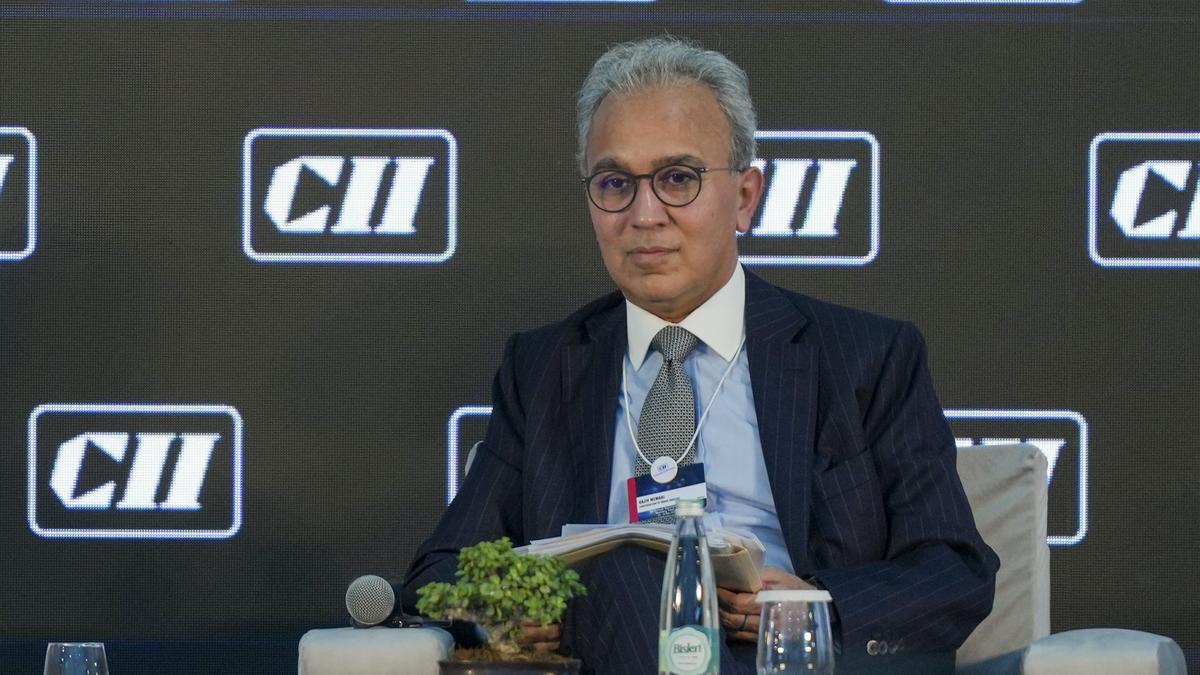
India and the United States are moving closer to finalizing a “mini trade pact”, aimed at achieving incremental progress on bilateral trade issues. According to Confederation of Indian Industry (CII) President Rajiv Memani, the agreement will likely prioritize low-hanging, less contentious issues, while more sensitive sectors like agriculture and dairy will be taken up in later stages.
This phased approach reflects a pragmatic strategy to secure early trade wins without compromising on political and sectoral sensitivities, especially ahead of key domestic and global economic milestones.
Phased Approach to Trade Liberalization
-
Initial Focus: The first round is expected to address tariff cuts on select industrial and consumer goods, remove non-tariff barriers, and enhance market access in areas where consensus exists.
-
Deferred Sectors: Politically sensitive issues—such as agriculture, dairy, digital trade, and intellectual property—will be held for subsequent negotiations due to complex domestic implications.
-
Industry Consultations: Extensive consultations with Indian industry players and government bodies have been conducted to align trade policy with national economic interests.
Key Insights from the CII President
-
The trade agreement is expected to be implemented in phases, rather than as a comprehensive FTA.
-
Rajiv Memani emphasized that “we will not have 100 percent winners”, suggesting trade-offs and prioritization will be necessary.
-
The focus is on areas of convergence to ensure quick delivery of benefits to both economies.
Current Negotiation Dynamics
-
A July deadline is looming for finalizing the mini-deal, as the U.S. has warned of reimposing suspended tariffs if progress stalls.
-
India has reportedly offered to reduce the average tariff gap with the U.S. from 13 percent to below 4 percent.
-
Nearly 60 percent of tariff lines may be brought down to zero or near-zero in the initial round.
-
India seeks tariff concessions for sectors like garments, footwear, gems, and jewellery, which are labor-intensive and export-driven.
Strategic Significance
-
The mini-pact will serve as a confidence-building mechanism for a broader India–US Free Trade Agreement (FTA) in the future.
-
It supports India’s long-term ambitions under Make in India and Atmanirbhar Bharat, while improving its attractiveness as a trusted global supply chain partner.
-
U.S. stakeholders are particularly interested in greater market access for automobiles, agricultural products, medical devices, and tech services.
Challenges and Outlook
-
While the mini-deal offers quick gains, negotiating the deferred sectors will require significant political capital and stakeholder engagement.
-
India’s domestic sensitivities, especially in agriculture and data governance, will be critical bottlenecks.
-
However, a successful first phase can provide the necessary momentum for future breakthroughs.
The India–US mini trade pact reflects a balanced and strategic approach to international trade negotiations. By focusing on areas of agreement and deferring complex issues, both countries aim to build a trust-based trade relationship that supports long-term economic and geopolitical alignment.
As India strengthens its global trade architecture, this deal could become a template for phased trade diplomacy with other major economies.