
Balancing Coal and Conservation: CCL’s Efforts in Jharkhand’s Mining Heartland

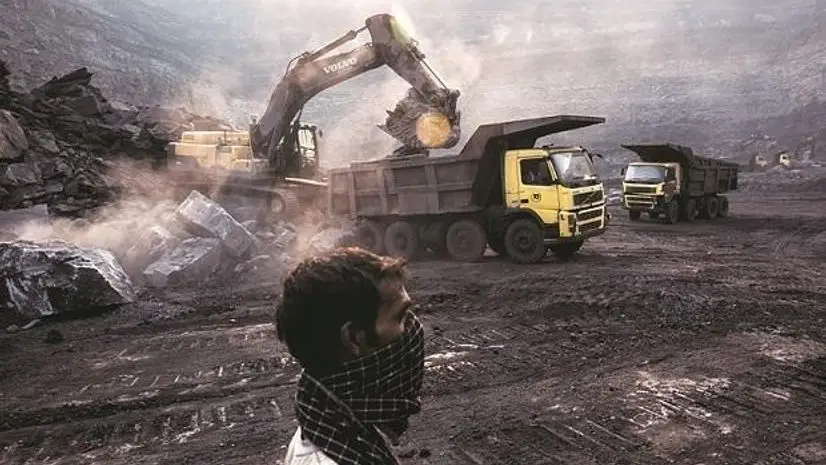
Jharkhand’s mineral-rich terrain forms the backbone of India’s coal economy. At the forefront of this is Central Coalfields Limited (CCL), a subsidiary of Coal India Limited, which plays a crucial role in delivering the coal needed to energize the nation. Operating in one of the most industrially significant yet ecologically sensitive areas, CCL has been making focused efforts to manage coal production, pollution control, and community welfare with a balanced approach.
Powering India from the Heart of Jharkhand
CCL’s mining operations span across districts like Ramgarh, Hazaribagh, Bokaro, Chatra, and Latehar, tapping into some of the richest coal reserves in India. With an annual production exceeding 76 million tonnes, CCL not only supports thermal power generation but also fuels steel and cement industries, making it a strategic player in India’s economic infrastructure.
Confronting Environmental Realities
Coal mining inevitably carries environmental costs—dust, water contamination, and air pollution being chief among them. To mitigate these, CCL has invested in:
-
Water spraying systems and fog cannons across haul roads and loading points to suppress dust.
-
Surface miners that reduce blasting, lowering both noise and particulate pollution.
-
Afforestation programs with thousands of saplings planted annually in mined-out areas.
-
Periodic environmental audits and real-time monitoring systems in collaboration with research institutions.
The company is also converting overburden dumps into stable green landscapes, creating ecological buffers around mines.
Moving Towards Cleaner Operations
CCL has committed to more sustainable practices in line with India’s energy transition goals. Noteworthy initiatives include:
-
Installation of solar panels across colonies, offices, and workshops.
-
LED lighting systems to reduce power consumption.
-
Mine water treatment and recycling projects providing clean water to nearby towns and villages.
-
Participation in Coal India’s carbon reduction roadmap, aiming for long-term emissions neutrality.
These efforts mark a shift from traditional extraction practices to a more sustainability-driven mining model.
Navigating Social and Operational Hurdles
The coalfields of Jharkhand are often intertwined with tribal lands and rural settlements. CCL’s expansion plans face challenges related to land acquisition, resettlement, and local opposition. To address these:
-
Compensation and rehabilitation packages are provided under R&R frameworks.
-
CCL supports livelihood generation, vocational training, and local entrepreneurship.
-
CSR programs fund schools, hospitals, sanitation, and clean drinking water facilities across its operational areas.
These social interventions aim to build trust and ensure that mining-driven development benefits local communities.
Innovation and Transparency
Embracing technology has been key to improving productivity and transparency. CCL has implemented:
-
GPS-enabled tracking of mining vehicles to optimize transport.
-
RFID-based coal dispatch systems to ensure accuracy in logistics.
-
Drone surveillance for land monitoring, reclamation tracking, and safety audits.
-
Integration with the Coal Mine Surveillance & Management System (CMSMS) to combat illegal mining.
By leveraging digital solutions, CCL is enhancing efficiency and accountability across its supply chain.
The Road Ahead
As India continues to rely on coal to bridge its energy needs, companies like CCL are under pressure to mine responsibly while reducing environmental impact. With growing awareness, regulatory oversight, and community expectations, CCL’s evolving approach in Jharkhand represents a critical balance—delivering energy security while fostering sustainability.
In the coal capital of India, the future of mining lies not just in extraction, but in transformation—a journey CCL is navigating with increasing foresight and responsibility.