

Chile, the world’s largest producer of copper, has adopted a cautious wait-and-watch approach after U.S. President Donald Trump made a surprise announcement of a 50% tariff on imported copper. The unexpected policy shift has introduced a new layer of uncertainty to global copper markets and sent prices soaring, prompting strategic evaluations in Chile’s mining and export sectors.
Chilean Authorities Await Clarity
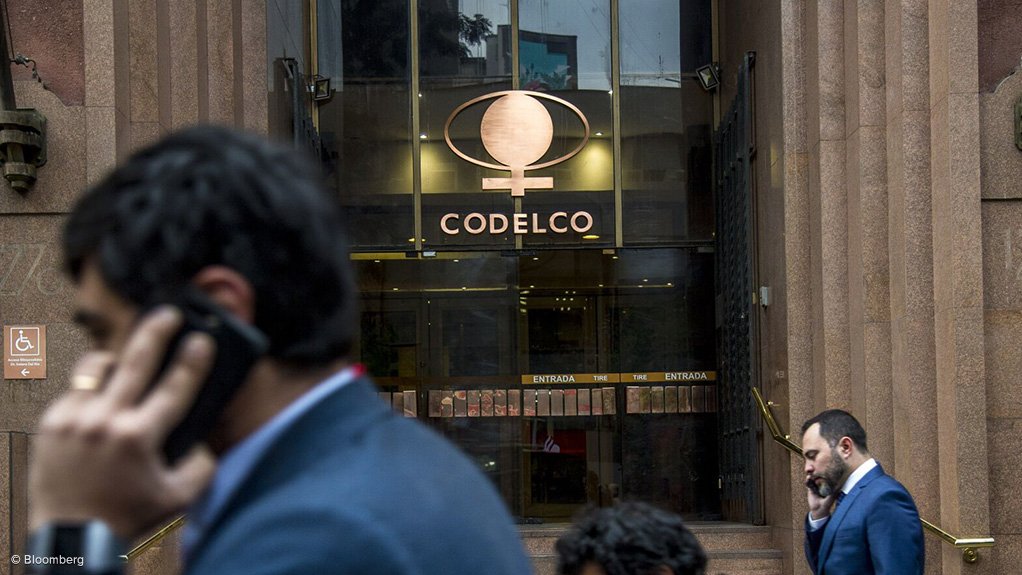
Officials in Chile, including those from state-owned mining giant Codelco, are seeking further details from the U.S. government to understand the scope and coverage of the new tariffs. There is particular concern about whether the tariff will apply to all copper products or selectively target refined or semi-processed forms. The Chilean Foreign Ministry confirmed it had not received formal diplomatic communication and was engaged in discussions with U.S. counterparts to clarify the situation.
Market Reactions and Price Movements
The tariff news immediately impacted the commodities market, with U.S. copper futures jumping over 12%, reaching record highs. The sharp rise reflects concerns over a potential disruption in copper supply chains, especially for sectors like construction, electronics, and renewable energy, which heavily depend on imported copper.
Chile’s Export Exposure and Supply Chain Risk
Although Chile sends less than 7% of its refined copper exports to the United States, the tariff could still cause ripple effects across global trade flows. Most of Chile’s copper is exported to China, the world’s largest copper consumer and refiner. However, with the U.S. acting as a key secondary market, exporters are wary of potential logistical bottlenecks, pricing instability, and increased transaction costs.
Domestic Supply Constraints Add Pressure
Chile’s copper production has already been under strain. Codelco’s output recently hit a 25-year low, due to aging infrastructure, declining ore grades, and climate-related challenges. At the same time, global copper demand is projected to grow by around 3% in 2025, driven by the global energy transition and rising electric vehicle production. This supply-demand imbalance could further amplify market volatility.
Industry and Policy Reactions
The Chilean National Mining Society (SONAMI) has voiced concerns about the broader implications of the U.S. decision, warning that it could destabilize global trade in critical minerals and hinder strategic supply planning. Industry leaders also emphasized the importance of maintaining copper’s status as a globally traded commodity and avoiding politically driven supply disruptions.
Chile, along with Canada and Peru, had previously objected to similar U.S. moves, stating that their copper exports posed no threat to American industry or national security.
Strategic and Diplomatic Considerations
Chile’s current stance is one of strategic patience. Government officials are actively exploring diplomatic channels to seek exemptions or carve-outs for Chilean copper. In parallel, trade analysts believe that Chile might also consider diversifying its export markets further and strengthening regional trade partnerships to mitigate future geopolitical risks.
The United States’ imposition of a 50% tariff on copper imports has caught the global market off guard and placed Chile in a delicate position. As the largest global supplier of copper, Chile must navigate this development carefully—balancing its reliance on exports with long-term strategies for resilience, production efficiency, and global competitiveness. While the immediate impact may be contained, the move underscores the growing intersection between natural resource trade and geopolitical tensions.