
Silver Surges to 14-Year High Amid London Market Short Squeeze and Rising US Premiums

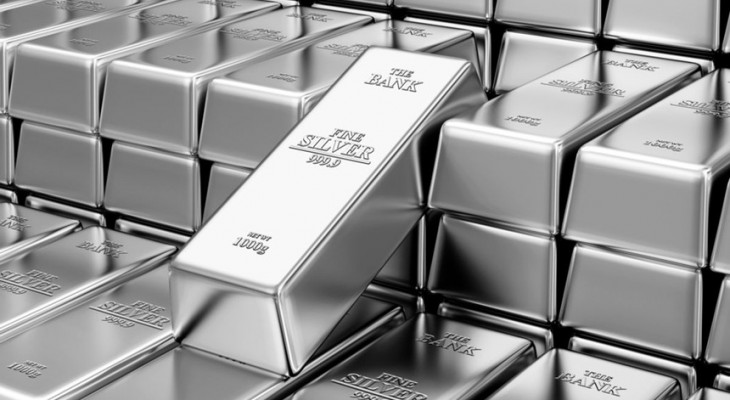
Silver prices soared to nearly a 14-year high on Friday, triggered by a sharp short squeeze in the London precious metals market. The squeeze disrupted normal trading flows, causing a ripple effect across global silver supply chains and driving a spike in US premiums. This surge highlights growing physical demand, market tightness, and the strategic significance of silver in both industrial and investment contexts.
Price Movement and Market Reaction
On Friday, silver futures jumped significantly, reaching levels not seen since 2011. Spot silver prices surged over 6% in intraday trading and closed at their highest point since the post-financial crisis commodity rally. In tandem, US-based dealers reported a spike in premiums for physical silver, with some coins and bars selling well above the spot price due to acute supply constraints.
Analysts noted a sharp mismatch between paper contracts and available physical bullion. The dislocation led to frantic short covering, especially in the London Over-the-Counter (OTC) market where large volumes of silver are traded privately. Traders who were betting against silver were forced to cover their positions as inventories tightened, sending prices even higher.
What Caused the Short Squeeze?
The short squeeze was likely driven by a convergence of factors:
-
Low Physical Inventories – Exchange vaults in London and New York have reported declining silver stocks over the past year.
-
Rising Industrial Demand – Growing use in solar panels, electric vehicles, and electronics is tightening supplies.
-
Speculative Bets – Some institutional players may have been overly short silver, underestimating the demand revival.
-
Retail Hoarding – Continued retail investor interest, especially from North America, is draining physical supply from dealers.
The combination of short selling pressure, strong physical demand, and low inventories culminated in a classic short squeeze—where those betting on price declines were forced to buy back positions at increasingly higher prices.
US Premiums and Bullion Market Impact
The shortage in London quickly spilled into US markets, where dealers marked up silver coins and bars amid soaring demand. Premiums on American Silver Eagles, one-ounce bars, and 100-ounce bars rose by as much as 15–25% above spot prices.
This surge in premiums reflected not just the short squeeze, but also longer-term structural issues in the physical bullion supply chain, including refining delays, logistics disruptions, and rising fabrication costs.
Investor Sentiment and Global Demand Trends
Silver is increasingly seen as both a hedge against inflation and a critical component of the green energy transition. With growing uncertainty in global equity and bond markets, many investors are reallocating capital into precious metals, particularly silver, which is comparatively undervalued next to gold.
Global silver demand is forecast to hit record highs in 2025, driven by:
-
Photovoltaics: Silver is essential for solar panel manufacturing.
-
Electric Vehicles: Used in batteries, wiring, and control systems.
-
Electronics: Key material in semiconductors and 5G devices.
-
Jewelry and Investment: Bullion coins, ETFs, and silverware demand remains strong.
Market Outlook and Potential Risks
While the current rally is driven by a technical short squeeze, fundamentals also support the long-term bullish case for silver. However, traders caution that sharp price spikes often lead to increased volatility. A correction could follow if speculative buying cools or if central banks signal tighter monetary policy.
Still, the combination of rising industrial usage, tight supply chains, and global investor interest may continue to support elevated silver prices in the near to medium term.
Silver’s dramatic jump to a near 14-year high underscores how fragile and reactive commodity markets can be, especially when physical availability collides with speculative positioning. The London short squeeze and surging US premiums serve as a reminder of the strategic value of silver—not only as an investment asset but also as an industrial necessity in a rapidly electrifying world.