
West Bengal’s Purulia Emerges as Rare Earth Mining Hub to Boost India’s Self-Reliance

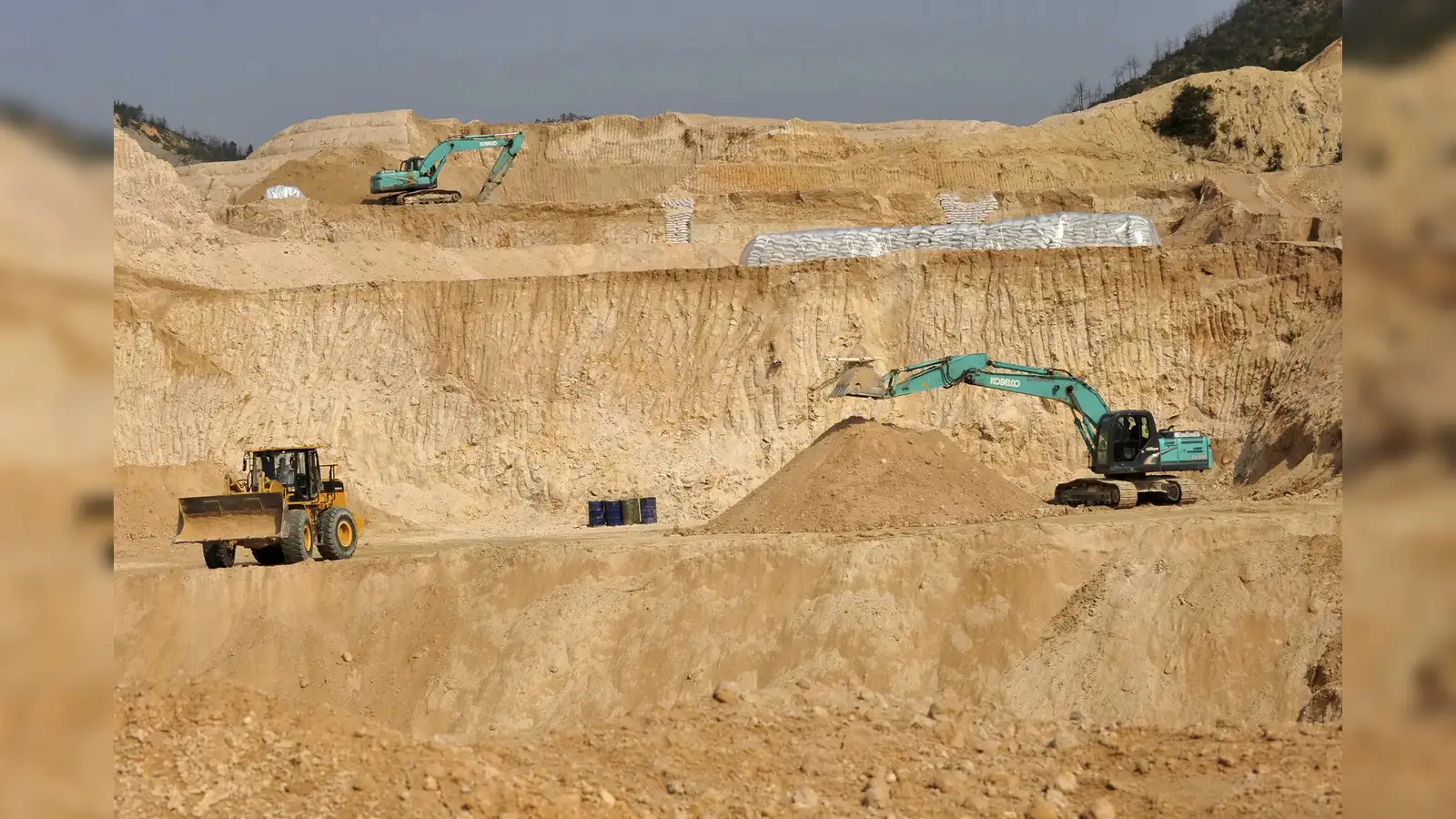
Geological Survey of India (GSI) announced advanced exploration efforts in West Bengal’s Purulia district, marking it as a potential rare earth mining hub. This development, part of a broader strategy to reduce India’s reliance on imported critical minerals, aims to position Purulia alongside Assam’s Karbi Anglong district as key contributors to the nation’s electric vehicle (EV), electronics, and renewable energy sectors. GSI Director General Asit Saha highlighted that G2-level exploration is underway, with mining blocks expected to be auction-ready within a year. This article delves into the significance of Purulia’s rare earth deposits, the challenges of operationalizing mines, and the broader implications for India’s critical mineral strategy.
Background: India’s Quest for Critical Mineral Independence
Rare earth elements (REEs), a group of 17 minerals including neodymium, dysprosium, and lanthanum, are vital for manufacturing high-tech products such as EV motors, wind turbines, and defense technologies. India, with the world’s fifth-largest rare earth reserves, relies heavily on imports, primarily from China, which controls 70% of global production and 90% of processing. China’s export restrictions in April 2025, which led to a 75% drop in rare earth magnet exports, have intensified global supply chain concerns, prompting India to accelerate domestic exploration and production.
West Bengal, contributing 3.8% to India’s mineral production and ranking seventh nationally, has a rich mineral profile, including coal, apatite, limestone, and dolomite, particularly in Purulia, Bankura, and Birbhum districts. The identification of Purulia as a rare earth hub aligns with India’s National Critical Mineral Mission (NCMM), announced in the 2024-25 Union Budget with a ₹16,300 crore outlay, aimed at securing critical minerals for industrial and energy security.
GSI’s Exploration in Purulia
The GSI is conducting G2-level exploration in Purulia, an advanced stage that involves detailed analysis and sampling to assess the quantity and quality of mineral deposits. GSI Director General Asit Saha, speaking at the 3rd Minerals and Mining Conclave organized by ASSOCHAM on July 11, 2025, in Kolkata, noted that the Purulia block, alongside one in Assam’s Karbi Anglong district, is expected to be ready for auction within a year. The exploration findings will be submitted to the West Bengal Mines Department and the Union Ministry of Mines for further action, including auction planning.
Although the rare earth deposit in Purulia is described as relatively small, it is expected to contain a “basket of 14-17 rare earth minerals,” presenting technical challenges for extraction and processing due to their complex composition. Specific elements have not yet been identified, but the deposits’ strategic importance lies in their potential to support India’s EV, electronics, and renewable energy industries. Saha also highlighted the discovery of vanadium deposits in the Himalayan region, underscoring India’s focus on critical minerals for energy storage and alloy production.
Strategic Significance
The exploration in Purulia is a critical step toward reducing India’s import dependency, particularly in light of global supply chain disruptions caused by China’s export curbs. Posts on X reflect public optimism, with users noting that Purulia’s development as a rare earth hub could boost India’s self-reliance and support the EV and green energy sectors. The initiative aligns with the government’s ₹1,345 crore scheme, announced by Union Heavy Industries Minister H.D. Kumaraswamy on July 11, 2025, to promote domestic rare earth magnet manufacturing, essential for EV motors, wind turbines, and defense applications.
West Bengal’s entry into the rare earth mining map also complements broader national efforts, such as lithium exploration across four to five states and the production of rare earth magnets in Hyderabad under the National Frontier Technologies for Strategic Materials (NFTSM) institute. Nearly 50% of India’s early-stage exploration projects are focused on REEs, reflecting their growing strategic importance.
Challenges in Operationalizing Mines
Operationalizing rare earth mines in Purulia faces several hurdles, including:
-
Land Acquisition: Securing land in Purulia, a region with a history of socio-political challenges, is complex due to community resistance and regulatory requirements.
-
Environmental Clearances: Strict environmental regulations necessitate comprehensive impact assessments, which can delay project timelines.
-
Technical Complexity: The mixed composition of 14-17 rare earth minerals requires advanced extraction and processing technologies, which India is still developing.
-
Private Sector Interest: Limited participation from private companies, due to high capital costs and technical challenges, poses a barrier to rapid development.
The West Bengal Mineral Development and Trading Corporation Limited (WBMDTCL), which oversees mining activities in the state, plays a crucial role in addressing these challenges. Its collaboration with the GSI, Mineral Exploration Corporation Limited (MECL), and the National Mineral Exploration Trust (NMET) supports systematic exploration and sustainable mining practices.
Broader Context: West Bengal’s Mineral Wealth
West Bengal is rich in minerals, with coal accounting for 99% of extracted resources and the state holding 11% of India’s coal reserves. Purulia is a key mineral district, hosting deposits of apatite, rock phosphate, quartz, feldspar, and dolomite, alongside coal. The state’s mining policy, updated in 2022, facilitates minor mineral extraction on private/raiati land, with WBMDTCL evaluating applications and ensuring compliance with environmental guidelines.
The Purulia rare earth project could stimulate economic growth in the Junglemahal region, historically marked by underdevelopment. Posts on X suggest optimism about the potential to transform the local economy, though concerns about political instability and insurgency persist. The state’s experience with coal mining, including challenges like illegal operations reported in Purulia in 2013, underscores the need for robust regulatory oversight to ensure sustainable development.
Industry and Economic Implications
The development of Purulia as a rare earth hub could have significant economic and strategic impacts:
-
Reduced Import Dependency: Domestic production of REEs would decrease reliance on China, enhancing India’s supply chain resilience for critical industries.
-
Economic Growth: Mining in Purulia could generate employment and infrastructure development in a region with limited industrial activity, supporting the state’s economic goals.
-
Support for EV and Renewable Energy Sectors: Access to local rare earths would bolster India’s EV manufacturing and renewable energy ambitions, aligning with initiatives like the PM E-DRIVE scheme launched on July 11, 2025.
-
Global Competitiveness: By developing domestic processing capabilities, India could position itself as a key player in the global critical minerals market.
The government’s planned rare earth magnet manufacturing scheme and the NCMM’s focus on public-private partnerships will further support these efforts, potentially attracting investment from companies like Thriveni Group, which has pioneered green mining innovations in India.
West Bengal’s Purulia district is poised to become a significant player in India’s rare earth mining landscape, with GSI’s G2-level exploration paving the way for auction-ready blocks within a year. Despite the relatively small deposit size, the initiative is a strategic move to reduce India’s reliance on imported critical minerals, supporting the EV, electronics, and renewable energy sectors. Challenges such as land acquisition, environmental clearances, and technical complexities remain, but collaboration between the GSI, WBMDTCL, and the Union Ministry of Mines offers a pathway forward. As Purulia joins India’s rare earth map, it underscores the nation’s commitment to self-reliance and sustainable development, with the potential to transform both the local economy and India’s position in the global critical minerals market.