
Qiyuan Powers Greener Mining at Zijin Julong Copper Mine in Tibet

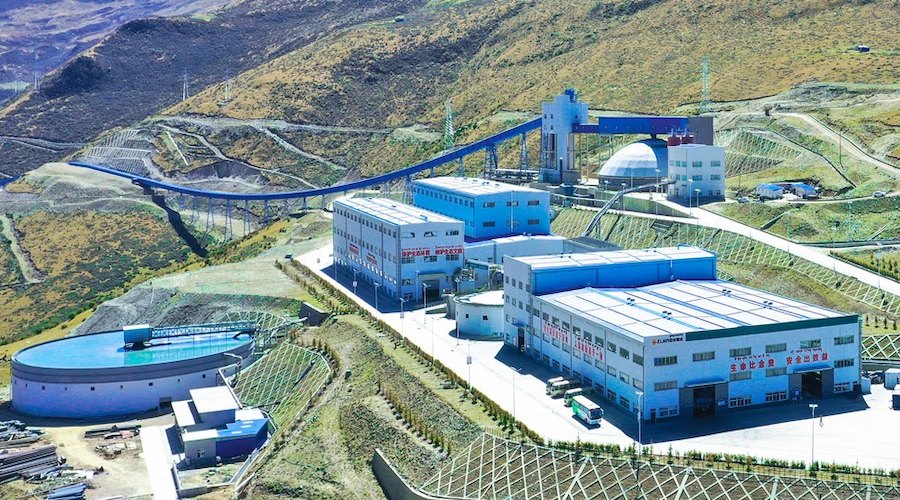
Groundbreaking transformation is underway in the rugged terrain of Tibet’s Gangdise Mountains. At an altitude exceeding 5,400 meters, the Zijin Julong Copper Mine—one of the world’s highest large-scale copper operations—is pioneering sustainable mining practices. Spearheaded by Qiyuan Green Power, the deployment of electric mining trucks equipped with advanced CTB 800 batteries is redefining extraction in extreme environments. This article explores how Qiyuan’s innovative technology is driving greener mining, overcoming harsh conditions, and delivering significant environmental benefits.
The Challenge of High-Altitude Mining
Located in the oxygen-thin, frigid expanse of the Gangdise Mountains, the Zijin Julong Copper Mine faces unique challenges. Long winters with sub-zero temperatures, fragile ecosystems, and logistical difficulties at over 5,400 meters test the limits of traditional mining equipment. Conventional diesel-powered trucks struggle with efficiency and reliability under such conditions, contributing to substantial carbon emissions and ecological strain. As global demand for copper—critical for renewable energy technologies—grows, the need for sustainable solutions in such remote regions has never been more urgent.
Qiyuan’s Technological Breakthrough
Qiyuan Green Power, a leader in green energy heavy-duty truck technology, has introduced a suite of innovations to address these challenges. At the heart of this transformation is the CTB 800 battery system, designed specifically for electric mining trucks operating in extreme climates.
CTB 800 Battery with Smart Thermal Management
The CTB 800 battery integrates advanced water cooling and a ternary heat pump, ensuring optimal performance even in sub-zero temperatures. This smart thermal management system prevents battery degradation, maintaining efficiency and reliability in the harsh Tibetan winters. The large-capacity battery extends the trucks’ cruising range, reducing downtime and supporting continuous operations—a critical factor for a mine producing up to 350,000 tonnes of copper ore daily.
High-Efficiency Charging Infrastructure
Supporting a fleet of 10 electric trucks, Qiyuan has deployed three 1,120 kW chargers capable of delivering up to 780 kW at altitudes above 5,000 meters. The 4-gun parallel charging system enables a full charge in just one hour, achieving an impressive 95% operational uptime. This rapid charging capability minimizes interruptions, ensuring the mine’s production schedule remains on track while reducing reliance on fossil fuels.
Upcoming 5-Minute Battery Swap Station
In a move to further enhance efficiency, Qiyuan is set to introduce a 5-minute battery swap station. This rapid energy turnaround will support the growing electric fleet, allowing batteries to be replaced swiftly without the need for lengthy charging sessions. This innovation promises to revolutionize fleet management, boosting productivity and setting a new standard for high-altitude mining operations.
Environmental Impact and Carbon Savings
The shift to electric trucks at Zijin Julong is yielding tangible environmental benefits. Annually, the initiative saves 1.65 million liters of diesel, a significant reduction in fossil fuel consumption. This translates to an avoidance of 4,340 tons of CO₂ emissions each year—equivalent to the carbon sequestration potential of planting over 70,000 trees. By mitigating the mine’s ecological footprint, Qiyuan’s technology aligns with global efforts to combat climate change, proving that large-scale mining can coexist with environmental stewardship.
Broader Implications for Sustainable Mining
Qiyuan’s success at Zijin Julong demonstrates that even the most extreme mining environments can transition to greener practices. The project supports Zijin Mining Group’s commitment to reducing carbon emissions and leading the charge in the low-carbon transition, as the mine expands to become China’s largest single copper operation. Beyond environmental gains, the initiative enhances operational efficiency, reduces costs associated with diesel fuel, and sets a precedent for other high-altitude mining sites worldwide.
The deployment also highlights the potential for technology to address logistical and environmental challenges in remote regions. The smart thermal management and rapid charging systems could inspire similar innovations in other mineral-rich, high-altitude areas, such as the Andes or the Himalayas, fostering a global shift toward sustainable extraction.
Challenges and Future Outlook
Despite its promise, the transition faces hurdles. The initial investment in electric infrastructure and battery technology is substantial, and the extreme conditions require ongoing maintenance to ensure reliability. Additionally, the fragile ecosystem demands careful monitoring to prevent secondary impacts from increased activity. However, Qiyuan’s focus on intelligent, electrified solutions—coupled with plans for battery swap stations—suggests a forward-thinking approach to overcoming these obstacles.
Looking ahead, the full rollout of the 5-minute battery swap station by late 2025 could further amplify these benefits, potentially scaling the electric fleet and deepening carbon savings. As global copper demand surges to support renewable energy and electrification, projects like Zijin Julong could serve as a model, proving that sustainability and profitability are not mutually exclusive.
Qiyuan Green Power’s efforts at the Zijin Julong Copper Mine illustrate a transformative step toward greener mining in one of the world’s most challenging environments. With the CTB 800 battery, high-efficiency charging, and the upcoming 5-minute swap station, the project delivers a potent combination of technological innovation and environmental responsibility. By saving 1.65 million liters of diesel and avoiding 4,340 tons of CO₂ annually, it underscores that high-altitude mining can go electric—and stay green. As India and the world watch, this initiative may pave the way for a new era of sustainable resource extraction.