
Zambia Inks $1.1 Billion Deal for Oil Refinery and Energy Hub in Ndola

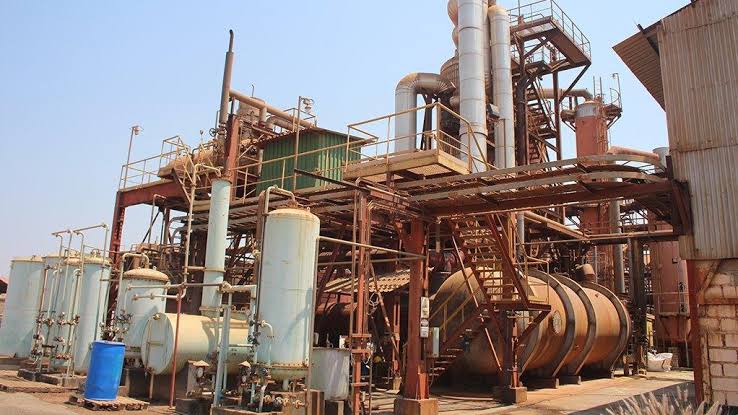
Zambia has taken a bold step toward energy independence with the announcement of a landmark $1.1 billion agreement to construct a crude oil refinery and integrated energy complex in Ndola, located in the country’s Copperbelt Province. Unveiled on Monday, this ambitious project, spearheaded by the state-owned Industrial Development Corporation (IDC) in partnership with China’s Fujian Xiang Xin Corporation, aims to reduce the nation’s dependence on imported fuel while positioning Zambia as a regional energy hub. With construction slated to begin in the third quarter of 2025, this initiative marks a significant milestone in Zambia’s industrial and economic transformation.
Project Overview and Strategic Importance
The Ndola refinery and energy complex is designed to address Zambia’s long-standing challenge of relying heavily on fuel imports, which strain the country’s foreign exchange reserves and expose it to global oil price volatility. The facility will process up to 60,000 barrels of crude oil per day, a capacity sufficient to meet the nation’s entire current fuel demand. This development promises to save millions of dollars annually in import costs, providing a much-needed economic boost. Beyond domestic needs, the project is poised to enable exports to neighboring countries, enhancing Zambia’s role in the Southern African energy market.
The partnership between IDC and Fujian Xiang Xin Corporation underscores a strategic collaboration aimed at leveraging Chinese expertise and investment to modernize Zambia’s energy infrastructure. The project’s integrated energy complex will extend beyond fuel refining to include facilities for liquefied petroleum gas (LPG) bottling, bitumen production, lubricant blending, and a 130-megawatt power plant. This multifaceted approach will diversify Zambia’s energy portfolio and support industrial growth across the Copperbelt region, a key economic hub traditionally dominated by copper mining.
Development Timeline and Economic Impact
Construction of the Ndola refinery is scheduled to commence in the third quarter of 2025, with the initial phase of commercial operations targeted for 2026. This timeline reflects a deliberate effort to ensure thorough planning and execution, given the project’s scale and complexity. The development phase is expected to create significant employment opportunities, with estimates suggesting thousands of jobs in civil works, mechanical and electrical installations, and logistics. These jobs will provide a direct economic stimulus to the local population, while indirect benefits are anticipated to ripple through related industries.
The 130-megawatt power plant, with 100 megawatts earmarked to feed the national grid, will enhance Zambia’s electricity supply, addressing chronic power shortages that have hampered industrial productivity. This additional capacity will support not only the refinery but also other sectors, including manufacturing and agriculture, fostering a more robust and self-sufficient economy. The inclusion of bitumen production and lubricant blending further positions the complex as a cornerstone for infrastructure development and industrial maintenance across the region.
Partnership Dynamics and Resource Logistics
The collaboration between IDC and Fujian Xiang Xin Corporation highlights a growing trend of Sino-African investment in critical infrastructure projects. IDC, as the government’s investment arm, brings local knowledge and regulatory oversight, while Fujian Xiang Xin contributes technical expertise and financial resources. Crude oil for the refinery will be sourced from the Middle East and imported through Tanzania’s Dar es Salaam port, utilizing the existing TAZAMA pipeline that connects the two countries. This logistical arrangement leverages regional infrastructure, minimizing the need for new transportation networks and optimizing costs.
The partnership also aligns with Zambia’s broader energy policy under President Hakainde Hichilema, who has prioritized investments in energy security and industrial diversification. The Ndola project complements other initiatives, such as Zambia’s equity stake in Angola’s Lobito refinery, signaling a multi-pronged strategy to secure energy supplies and reduce import dependency across the continent.
Challenges and Opportunities
While the project holds immense promise, it faces several challenges that will require careful management. Securing consistent crude oil supplies from the Middle East amid geopolitical tensions and price fluctuations will be critical. Additionally, the construction timeline must contend with potential delays due to logistical, financial, or environmental factors. Environmental concerns, including the impact of refinery operations and power generation, will also need to be addressed to ensure compliance with international standards and local regulations.
However, the opportunities outweigh these hurdles. The refinery’s ability to meet domestic demand and facilitate exports could transform Zambia into a net energy exporter, strengthening its balance of payments and regional influence. The integrated energy complex’s diverse outputs—fuel, LPG, bitumen, lubricants, and electricity—will create a resilient economic ecosystem, reducing vulnerability to single-commodity reliance, such as copper. Furthermore, the project’s job creation potential and infrastructure benefits will enhance living standards in the Copperbelt Province, a region historically tied to mining.
Looking Ahead
As construction begins in the third quarter of 2025, the Ndola refinery and energy complex will serve as a litmus test for Zambia’s industrial ambitions. The project’s success will depend on effective coordination between IDC and Fujian Xiang Xin, as well as robust support from the government and international financiers. If executed well, this initiative could set a precedent for similar developments across Southern Africa, fostering a network of energy-independent nations.
The refinery’s completion in 2026 will mark a new era for Zambia, shifting its narrative from a landlocked nation reliant on imports to a regional leader in energy production. This $1.1 billion investment is more than an infrastructure project—it is a strategic move to secure economic stability, empower local communities, and strengthen Zambia’s position on the global stage.
Zambia’s $1.1 billion deal to build an oil refinery and energy hub in Ndola represents a transformative step toward energy security and economic diversification. Through a partnership between the Industrial Development Corporation and Fujian Xiang Xin Corporation, the project will process 60,000 barrels of crude oil daily, meeting domestic fuel needs and enabling exports. With construction starting in the third quarter of 2025 and operations commencing in 2026, this initiative promises to create jobs, enhance power supply, and reduce import costs. As Zambia embarks on this ambitious journey, the Ndola complex stands as a beacon of progress, driving the nation toward a sustainable and prosperous future.