
U.S. Launches Major Initiative to Recover Critical Minerals from Mine Waste and Abandoned Sites

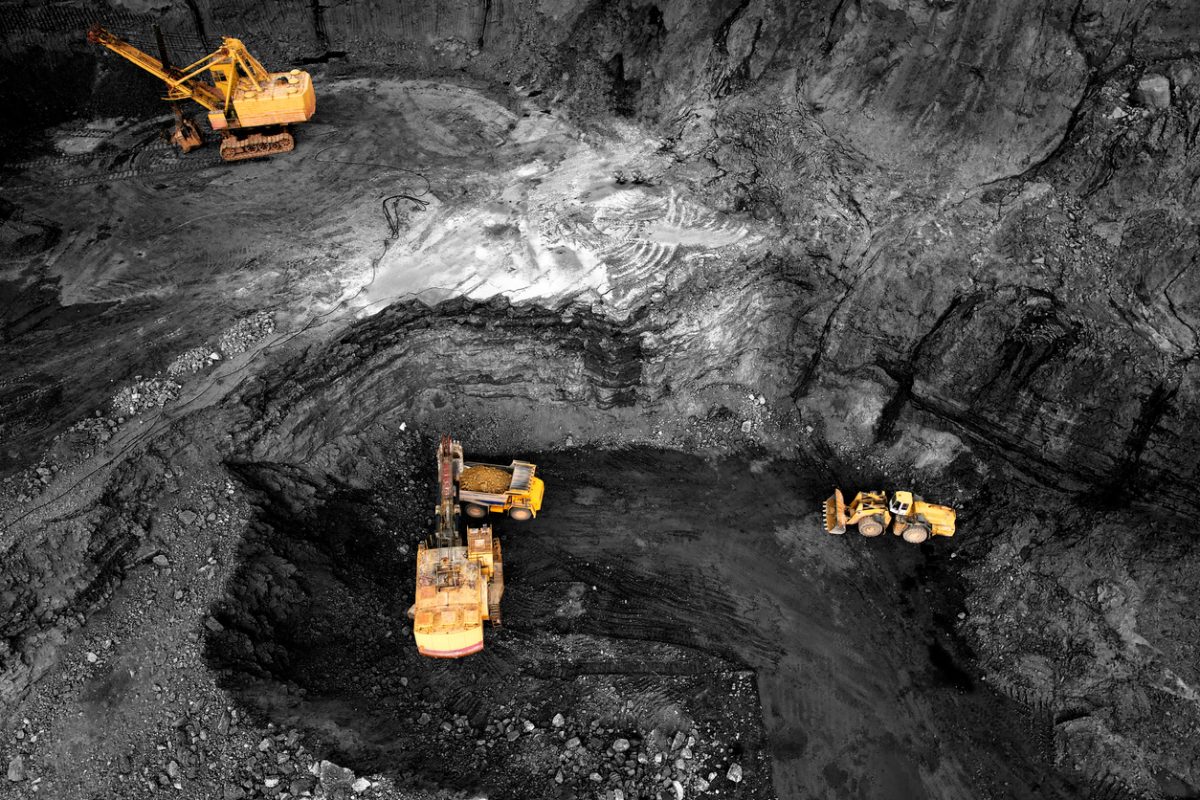
In a bold move to secure domestic supply chains and reduce reliance on foreign mineral imports, the U.S. Interior Department has announced a nationwide initiative to extract critical minerals from mine waste and abandoned sites. This includes materials such as coal refuse, tailings, and uranium waste from legacy operations across the United States. The plan supports both environmental reclamation and the economic imperative of mineral self-sufficiency.
Strategic Goal: Strengthen Mineral Independence
The Interior Department has instructed federal agencies to:
-
Expand funding eligibility to include mine waste recovery projects
-
Streamline permitting and environmental clearance processes
-
Direct the U.S. Geological Survey (USGS) to map mine waste deposits on public lands
This initiative is part of a broader push to develop domestic alternatives to imported critical minerals, many of which are essential to sectors like renewable energy, electric vehicles, defense, and electronics.
What Minerals and Where
USGS studies have identified large concentrations of critical minerals in residual mine materials. Some examples include:
-
Tellurium in tailings at copper mines in Utah
-
Zinc and germanium in waste dumps in Oklahoma’s lead-zinc mining districts
-
Rare earth elements in clay formations and coal refuse in Appalachia and the Illinois Basin
Companies like Freeport-McMoRan are already recovering copper from tailings once thought uneconomical. Such examples show that legacy waste may hold substantial untapped mineral wealth.
Scientific and Regulatory Support
To support this transition, U.S. agencies are investing in:
-
The Earth Mapping Resources Initiative (Earth MRI) by USGS, which is working with state governments to identify and catalog waste sites that contain critical minerals
-
Research pilots and grants to test new extraction technologies from unconventional sources such as mine tailings, geothermal brines, and coal ash
-
Regulatory guidance to balance resource recovery with environmental protection
Benefits and Challenges
Benefits:
-
Enhanced national security through reduced dependence on foreign mineral supplies
-
Economic gains from reclaiming valuable metals from previously discarded waste
-
Environmental cleanup of contaminated sites through responsible re-mining
Challenges:
-
Technical hurdles in extracting trace minerals efficiently
-
Legal and liability concerns over contamination at older sites
-
Economic feasibility, especially for projects with high upfront capital costs
Broader Policy Context
This initiative aligns with national policies under the Defense Production Act, the Bipartisan Infrastructure Law, and other recent legislation aimed at reshoring vital industrial capacity. The U.S. government has identified over 50 minerals as “critical”, many of which are dominated by overseas suppliers, especially China.
This mine waste recovery effort is a key part of America’s “minerals security strategy”, which also includes developing new mines, expanding recycling, and forging international partnerships with trusted allies.
International Implications
Globally, other countries are exploring similar strategies. The U.S. has joined the Minerals Security Partnership, a coalition focused on ensuring a secure and sustainable supply of critical minerals while avoiding environmental and labor abuses often seen in high-risk mining regions.
The United States is now turning its attention to the past to secure the future—viewing mine waste not as a burden, but as a resource. If executed well, this initiative could make the U.S. a leader in clean and sustainable mineral recovery, reduce strategic vulnerabilities, and spark innovation in circular resource use.