
Copper Catalyst for Viksit Bharat: How Mopani Copper Mines Plc Can Fuel India’s Growth Vision

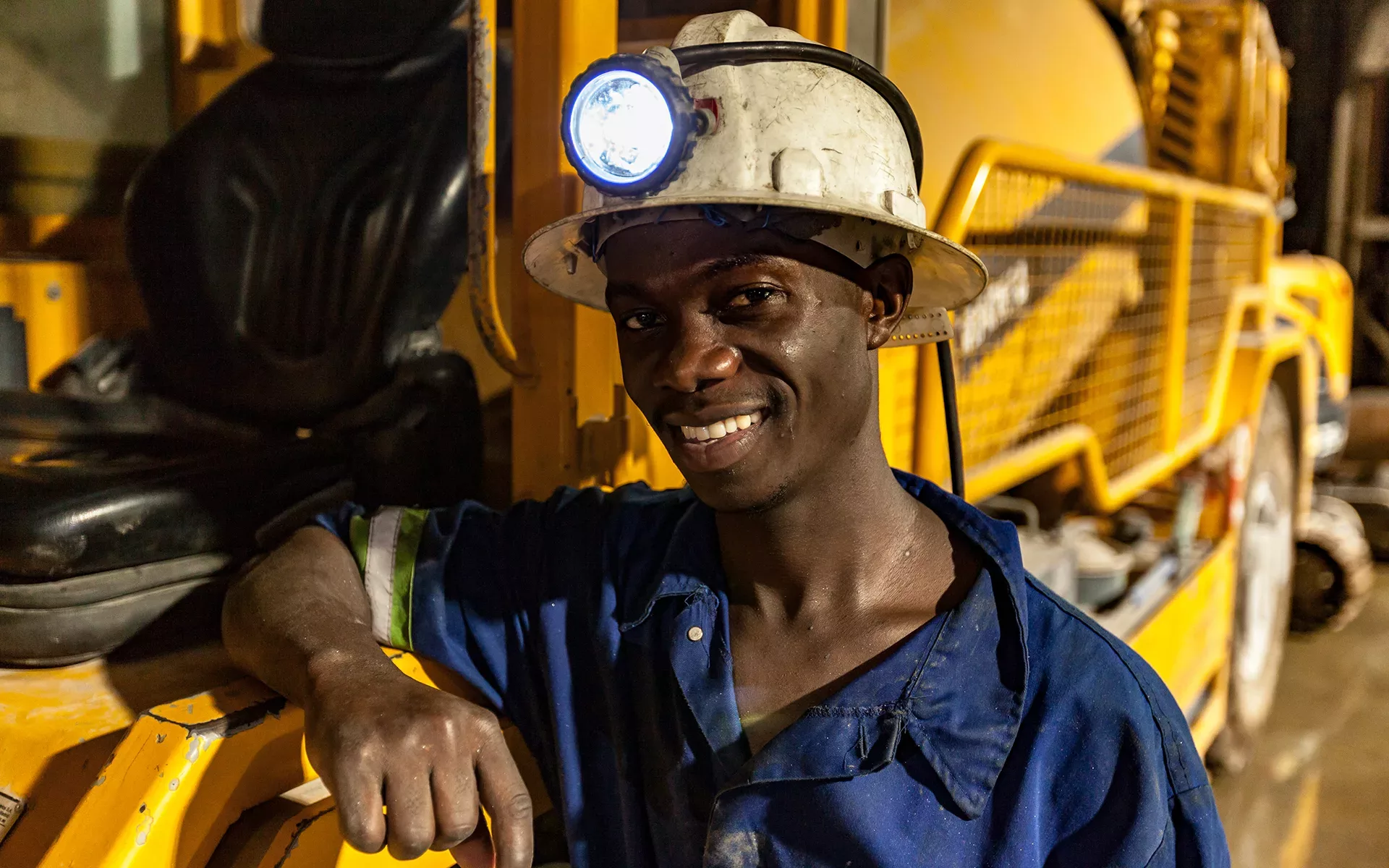
As India races toward realizing the Viksit Bharat 2047 vision under Prime Minister Narendra Modi, the country is focusing on becoming a global economic powerhouse built on innovation, self-reliance, and sustainable development. In this national transformation journey, the role of strategic international partnerships and raw material access has become increasingly vital. One such overlooked opportunity lies in the operations of Mopani Copper Mines Plc (MCM) in Zambia.
MCM’s position as one of Africa’s premier copper producers could be a significant enabler for India’s aspirations, particularly as the country ramps up its industrial base, green energy initiatives, and electric mobility transitions. Copper, being a critical component for electric vehicles (EVs), solar power, smart grids, and high-tech infrastructure, has now become a cornerstone resource for India’s development goals.
Strategic Resource Security Through Bilateral Cooperation
India, the world’s third-largest energy consumer, faces increasing demand for copper—a key input for electric motors, power transmission, solar panels, and EV batteries. Presently, India imports over 40% of its copper demand. If Indian public or private enterprises, including PSUs like Hindustan Copper Ltd. or firms like Vedanta and Adani, forge joint ventures or secure long-term offtake agreements with MCM, it could significantly bolster India’s resource security strategy under Aatmanirbhar Bharat.
With Mopani now under the partial ownership of UAE’s International Resources Holding (IRH), and with India’s own growing ties with the UAE under the Comprehensive Economic Partnership Agreement (CEPA), there exists a diplomatic and business-friendly pathway to access these African copper reserves.
Copper for Green Energy and EV Push
The National Electric Mobility Mission Plan (NEMMP) and Faster Adoption and Manufacturing of Hybrid and Electric Vehicles (FAME) schemes demand massive inputs of copper. EVs use nearly four times more copper than traditional internal combustion vehicles. In addition, India’s push for solar manufacturing under PLI schemes, and smart city projects, all require substantial copper.
Mopani’s projected annual output of over 300,000 tonnes of copper cathode by 2029 aligns perfectly with India’s needs. Strategic copper imports from Mopani would reduce India’s dependence on fragmented global spot markets and volatile pricing, giving India long-term access to refined, high-grade copper.
Viksit Bharat Infrastructure and Power Growth
Copper is indispensable to India’s infrastructure boom—from bullet trains and metro rail expansion to smart grids and rural electrification. Under PM Modi’s Viksit Bharat vision, India aims to become a developed economy by 2047, and copper-fed infrastructure will be central to this effort.
By securing copper through partnerships with Mopani, India could maintain cost-effective and uninterrupted supply for National Infrastructure Pipeline (NIP) projects and state-sponsored power modernization drives. It will also help Indian manufacturers remain globally competitive as supply chains become increasingly geopolitically fragmented.
Opportunity for Indian Mining Firms and PSUs
The Indian mining sector itself could explore stakes in Mopani through strategic investments. Indian PSUs or public-private joint ventures could be encouraged to participate in Mopani’s capital expansion, which includes underground mine upgrades, processing plant modernization, and smelter emissions control systems.
This kind of economic diplomacy would not only strengthen India’s footprint in Africa but also create local employment, technology transfer, and new supply lines—fulfilling India’s Global South solidarity policy while securing critical minerals for national progress.
Skilling and Technology Collaboration
India’s global reputation for cost-effective engineering, digitalization, and mining software development can find application in Mopani’s modernization. If Indian firms offer services like AI-based mineral mapping, geological consultancy, and smart mining equipment, it could lead to reciprocal knowledge sharing. India can also offer training and skilling of Zambian youth under ITEEC and ITEC programmes, reinforcing bilateral goodwill.
Mopani Copper Mines Plc, while located in Zambia, represents more than just a mining project—it is a potential resource bridge for India’s technological leap, energy transformation, and industrial resilience. By leveraging strategic partnerships, securing long-term copper flows, and promoting mutual development, Mopani can become a quiet but powerful contributor to PM Modi’s Viksit Bharat mission.
India’s path to becoming a developed nation may well run through the copper-rich tunnels of Mufulira and Nkana.