
Codelco Secures Labor Approval to Restart El Teniente Mine Operations: A Step Toward Recovery

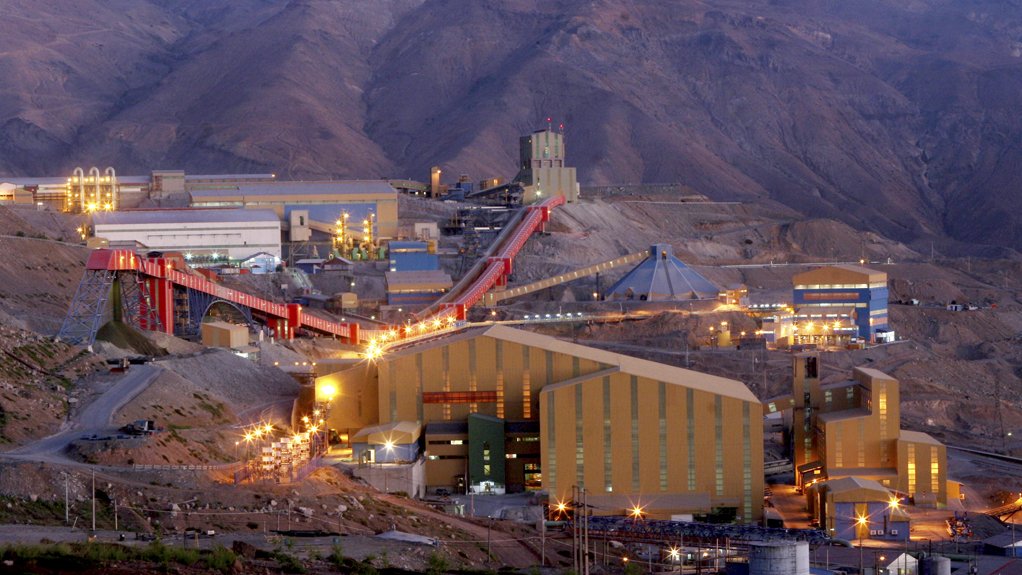
Chile’s state-owned copper giant, Codelco, received authorization from the country’s Labor Directorate to resume partial operations at its flagship El Teniente copper mine, located in the O’Higgins region. This approval, announced via a Codelco statement and reported across platforms like Reuters and Mining Weekly, marks a significant step forward after operations were halted for over a week following a tragic collapse on July 31, 2025, that claimed the lives of six workers. The decision allows Codelco, the world’s largest copper producer, to restart mining activities in unaffected sectors of the mine, such as Pilar Norte, Panel Esmeralda, Pacifico Superior, Diablo Regimiento, and others, while inspections continue in the heavily damaged Recursos Norte and Andesita sections.
The restart approval, granted after rigorous safety inspections by the Labor Directorate and Chile’s National Geology and Mining Service (Sernageomin), underscores Codelco’s commitment to balancing operational recovery with stringent safety protocols. As Chile contributes roughly 28% of global copper production, the partial resumption of El Teniente’s operations is a critical development for both the national economy and global copper supply chains. This article explores the context of the approval, the operational and safety measures involved, the broader implications for Codelco, and the challenges ahead.
Background: The July 31 Collapse and Its Aftermath
The El Teniente mine, a century-old operation spanning over 4,500 kilometers of tunnels and underground galleries in the Andes mountains, is the world’s largest underground copper deposit. On July 31, 2025, a catastrophic collapse, triggered by a 4.2-magnitude tremor, occurred in the mine’s new Andesita section, resulting in the deaths of six workers and significant structural damage. Initial estimates by Codelco suggested 700 meters of damaged passageways, but subsequent inspections by Aquiles Cubillos, the prosecutor for the O’Higgins region, revealed the damage extended to approximately 3,700 meters, affecting two to three areas of Andesita and five to six areas of Recursos Norte.
The incident, described as one of the worst in Chile’s recent mining history, prompted an immediate suspension of all operations at El Teniente on August 1, 2025. Chile’s mining regulator, Sernageomin, and the Labor Directorate launched comprehensive safety assessments, while Chilean prosecutors initiated investigations to determine potential liabilities, focusing on whether mining practices, such as excessive excavation or inadequate ground support, contributed to the collapse. Codelco also suspended contracts with third-party workers through at least August 13, 2025, to prioritize safety evaluations.
The tragedy sparked intense scrutiny of safety standards across Chile’s mining sector, with labor organizations and industry experts calling for stricter regulations and enhanced worker protections. Posts on X reflected public sentiment, with users expressing condolences for the workers and questioning Codelco’s safety protocols, while others acknowledged the company’s efforts to resume operations responsibly.
Labor Approval and Phased Restart Strategy
Following rigorous inspections, Sernageomin authorized a partial and progressive restart of underground operations on August 8, 2025, contingent on the Labor Directorate’s approval. The Labor Directorate’s clearance, announced on August 9, 2025, verified safety conditions in unaffected sectors, including Pilar Norte, Esmeralda Panel, Esmeralda, Upper Pacific, Diablo Regimiento, Reno Panel, Dacita, and Reservas Norte. The approval was based on a thorough review of Sernageomin’s technical report, alongside documentation such as the employee reinstatement program, hazard identification and risk assessment matrix (MIPER), updated preventive programs, emergency response plans, and safety training initiatives.
Codelco’s phased restart approach prioritizes safety, with operations resuming only in areas deemed structurally sound and free of imminent risk. The company has implemented advanced safety measures, including seismic monitoring systems, improved evacuation procedures, real-time personnel tracking, and enhanced ventilation monitoring to ensure air quality. These measures align with modern mine planning principles and aim to address the shortcomings exposed by the July 31 collapse. The Labor Directorate emphasized that the total suspension remains in effect for the Recursos Norte, Andesita, Andes Norte, and Diamante sections, with full resumption dependent on further inspections and Sernageomin resolutions.
Codelco has committed to announcing a detailed restart plan, outlining the conditions and measures for resuming operations. The immediate lifting of third-party contract suspensions, announced on August 9, 2025, allows collaborating companies to reintegrate workers in permitted mine areas, signaling a gradual return to normalcy.
The partial restart is a critical step for Codelco, which has faced production challenges in recent years due to declining ore grades, aging infrastructure, and rising operational costs. The July 31 collapse exacerbated these issues, contributing to market volatility in global copper prices, as noted in industry reports. The resumption of operations at El Teniente is expected to mitigate supply chain disruptions and stabilize Codelco’s output, which is crucial given Chile’s role as the world’s top copper producer.
Challenges and Ongoing Investigations
While the labor approval marks progress, Codelco faces significant challenges in fully restoring El Teniente’s operations. The suspended sections—Recursos Norte, Andesita, Andes Norte, and Diamante—require extensive structural assessments and retrofitting to ensure safety. Installing additional monitoring equipment, coordinating with regulatory bodies, and addressing the psychological impact on workers returning to the mine are further hurdles. The integration of AI-driven predictive maintenance and real-time tracking systems, as highlighted in industry analyses, could help mitigate future risks, but their implementation demands significant investment.
Chilean prosecutors, led by Aquiles Cubillos, are conducting a comprehensive investigation into the collapse, meeting with Codelco officials and documenting damage with photographs to reconstruct a map of affected areas. Preliminary findings suggest that mining practices, rather than natural geological events, may have contributed to the incident, raising the possibility of criminal or civil liabilities. Labor organizations are closely monitoring the process, advocating for stricter safety measures and greater transparency. These legal proceedings could reshape Codelco’s operational standards and influence Chile’s broader mining sector.
Critical Perspective: Balancing Recovery and Responsibility
Codelco’s approval to restart El Teniente operations is a pragmatic move to restore production, but it also highlights the delicate balance between economic imperatives and safety obligations. The company’s phased approach and enhanced safety protocols demonstrate a commitment to worker protection, yet the scale of the July 31 collapse raises questions about prior oversight and risk management. The discrepancy between Codelco’s initial 700-meter damage estimate and the prosecutor’s 3,700-meter assessment suggests potential gaps in internal reporting, which could undermine public trust.
The broader implications for Chile’s mining industry are significant. The collapse has intensified calls for regulatory reform, with experts predicting stricter inspection routines and a shift toward automation and remote-controlled technologies to reduce worker exposure to risks. Codelco’s adoption of advanced monitoring systems is a step in this direction, but scaling these technologies across its aging infrastructure will require substantial resources. Additionally, the psychological toll on workers, many of whom may face heightened stress upon returning, demands proactive support measures, which Codelco has yet to fully outline.
Globally, the restart aligns with efforts to stabilize copper supply chains amid rising demand for critical minerals in clean energy technologies. However, Codelco’s challenges—declining production levels, high capital costs, and competition for skilled personnel—could hinder its ability to capitalize on this demand. The company’s ability to navigate these challenges while addressing safety and legal concerns will be critical to maintaining its position as the world’s leading copper producer.