
Mahindra & Mahindra Divests Finnish Subsidiary Sampo Rosenlew Oy to Streamline Portfolio

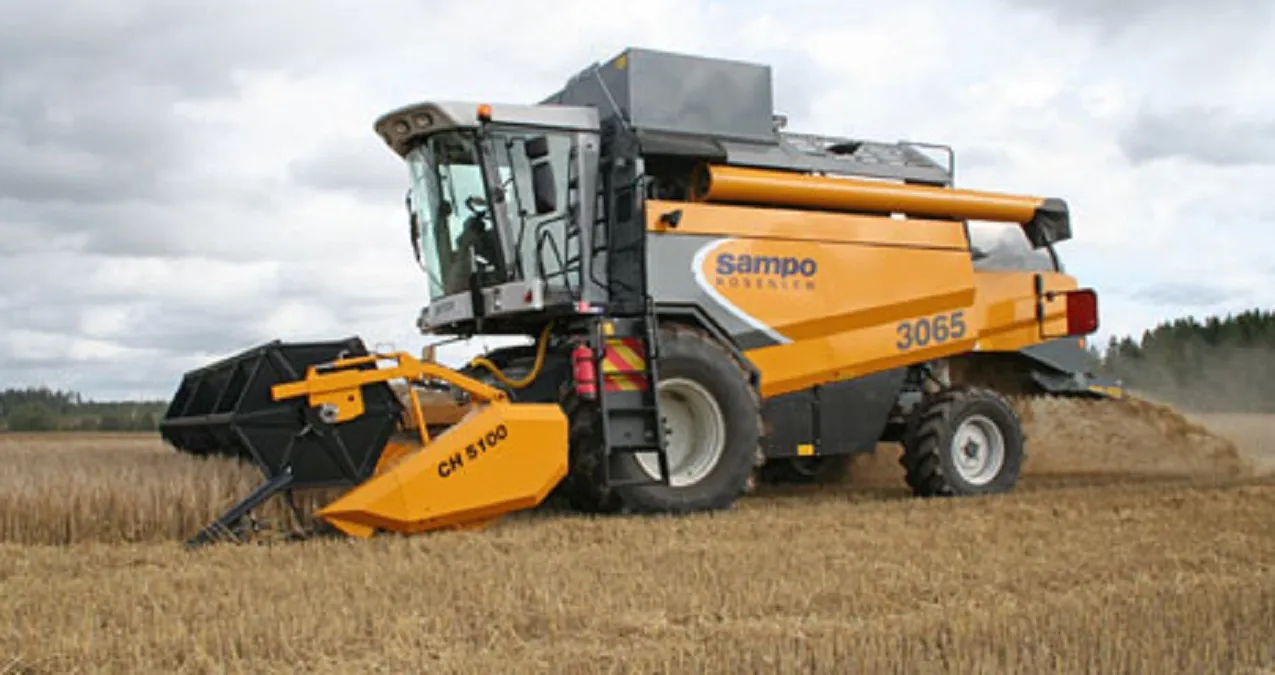
In a strategic move to sharpen its focus on core businesses, Indian automotive giant Mahindra & Mahindra (M&M) has announced plans to divest its wholly-owned Finnish subsidiary, Sampo Rosenlew Oy. This decision, revealed on August 13, 2025, aligns with the company’s ongoing efforts to optimize capital allocation and exit non-core or underperforming ventures. Sampo Rosenlew, a manufacturer of mid-sized combine harvesters based in Pori, Finland, has been part of M&M’s portfolio since 2016, but recent market challenges have prompted the sale.
Background of the Acquisition
Mahindra & Mahindra first entered into a partnership with Sampo Rosenlew in April 2016 by acquiring a 35% equity stake for approximately €18 million. The collaboration aimed to expand Sampo’s global reach, particularly in emerging markets, while allowing M&M to enter the combine harvester segment and diversify its farm equipment offerings beyond tractors. Over the years, M&M gradually increased its holdings: in 2020, it raised its stake to 74.97%, becoming the majority shareholder, and by July 2022, it completed a full 100% acquisition by purchasing the remaining shares for over Rs 35 crore (approximately €4 million at the time).
The initial investment was seen as a strategic fit for M&M’s farm sector ambitions. Sampo Rosenlew specializes in producing combine harvesters tailored for Europe, Eurasia, and North Africa, with a joint venture in Algeria for localized manufacturing. The company employs around 200 people and has an annual production capacity of about 500 units. At the time of the full buyout in 2022, M&M highlighted the potential for synergies in product development, especially for specialty crops and emerging markets.
Reasons for Divestment
The decision to put Sampo Rosenlew “on the block” comes amid a broader portfolio rationalization drive led by Anish Shah, who assumed the role of Group MD and CEO in April 2021. Under Shah’s leadership, M&M has aggressively pruned its investments, exiting several overseas and domestic businesses that fall outside its core utility vehicle (UV) and tractor segments. This strategy emphasizes high-growth, high-return opportunities while redeploying capital from underperformers.
Sampo Rosenlew has faced significant headwinds in recent years, including weak demand in key markets, rising operational costs, and investments in product development that have not yielded expected returns. The Finnish subsidiary’s performance has been impacted by fundamental shifts in the agricultural machinery sector, such as fluctuating commodity prices, supply chain disruptions, and competition from larger global players like John Deere and CNH Industrial. An M&M spokesperson confirmed the challenges, stating, “As advised in our earnings calls in Q4FY25 and Q1FY26, we have had to take some actions on our subsidiary in Finland. These include rightsizing operations and impairing assets to reflect fundamental shifts in these markets.” At present, the company’s focus remains on these internal restructuring efforts, with the divestment process expected to follow.
Financial details of the potential sale have not been disclosed, but industry analysts estimate that M&M could recover a portion of its initial investments, which totaled around €30-40 million across the stake increases. However, given the impairment of assets mentioned, the sale price might reflect the subsidiary’s current undervaluation.
Implications for M&M and the Industry
This divestment underscores M&M’s commitment to disciplined capital management in a volatile global economy. The company, India’s leading tractor manufacturer with a strong presence in the UV market, has been redirecting resources toward electrification, autonomous technologies, and sustainable farming solutions. Recent successes in its core businesses, including record tractor sales in India and expanding EV portfolios, have bolstered investor confidence.
For Sampo Rosenlew, the sale could open doors to new ownership, potentially from European or Asian agricultural machinery firms looking to consolidate. The Finnish company’s expertise in mid-sized harvesters for niche markets remains valuable, and a strategic buyer might invest in reviving its growth trajectory.
Industry observers view this as part of a larger trend among Indian conglomerates to streamline operations post-pandemic, focusing on domestic strengths amid geopolitical uncertainties. M&M’s stock reacted modestly to the news, with shares trading flat on the BSE as markets digested the announcement.
As the divestment process unfolds, stakeholders will watch closely for the buyer and terms, which could provide further insights into the valuation of specialized agricultural assets in today’s market. This move not only refines M&M’s portfolio but also highlights the challenges of cross-border expansions in the competitive farm equipment industry.