
The Simandou Shockwave: How Guinea’s High-Grade Ore Will Disrupt Global Steel

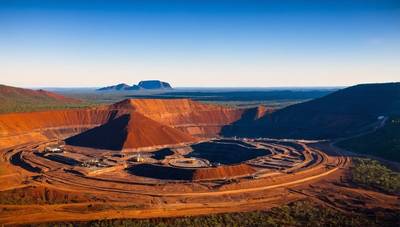
The Simandou iron ore project in Guinea is poised to be a game-changer in the global steel industry. With production targeted to begin in late 2025, this project, featuring some of the world’s highest-grade iron ore, is not just another mine—it’s a strategic lever that could reshape pricing dynamics, supply chains, and producer landscapes worldwide.
A High-Grade Supply Shock
Simandou is home to a massive, high-quality iron ore deposit, with iron content exceeding 65%, which is superior to much of the ore currently traded globally. This quality is particularly valuable for steelmakers as it requires less energy and produces fewer emissions during the steel production process. The project’s ambitious production goal of 120 million tonnes per year would be a substantial addition to the seaborne iron ore market, representing roughly 7% of 2024’s global trade. This significant increase in supply is expected to have a material impact on prices.
- Price Compression: The influx of high-grade Simandou ore is anticipated to narrow the premium historically commanded by Australian producers like BHP and Rio Tinto for their own high-quality ore. This will put pressure on the global price benchmark.
- Market Surplus: Analysts, such as those at Auerbach Grayson, forecast that this new supply will cause the market to shift into a surplus, leading to a long-term decline in iron ore prices. Bernstein Research has already cut its long-term price support to $90/t CFR, with consensus forecasts predicting prices could fall to the mid-$80s per tonne by 2027.
Strategic and Geopolitical Dynamics
The Simandou project is a complex web of international partnerships, with significant involvement from Chinese entities. This strategic arrangement could have profound implications for global trade flows.
- China’s Strategic Control: With Chinese companies controlling a significant portion of the project’s equity and off-take agreements, there is a risk that the Simandou output will prioritize “volume over value.” This means the ore could be directed primarily to Chinese steel mills at competitive prices, potentially undermining global price discipline and providing China with a crucial alternative to its current reliance on Australian and Brazilian imports.
- Geopolitical Risk: The Guinean government’s recent revocation of numerous mining and exploration licenses highlights a significant political risk. The government’s actions signal a move toward tighter resource control, which could impact the project’s long-term stability and cost structure. Any increase in project costs due to political or logistical issues could raise the global marginal cost of iron ore.
Ramp-Up and Risks
Despite the ambitious timeline, the path to full production is not without its challenges. Most analysts anticipate a gradual 30–36 month ramp-up period to reach full capacity. This means the full impact of Simandou’s supply won’t be felt immediately but will build over time. The project also requires the construction of a massive 620-kilometer railway and a new deep-water port, an infrastructure challenge of enormous scale. Delays in this infrastructure could push back production targets and increase costs.