
Shandong’s Steel and Iron Ore Industry: Powering China’s Industrial Heartland in 2025

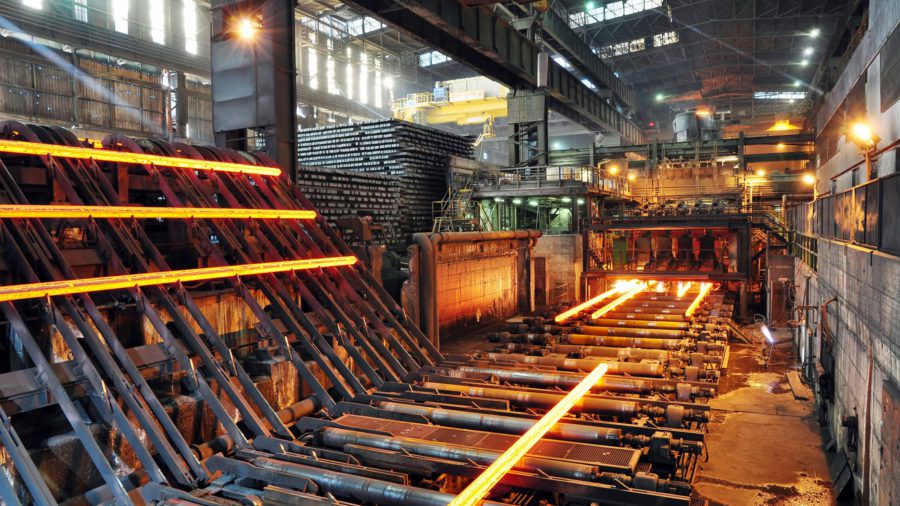
Shandong, a northern Chinese province, stands as a powerhouse in China’s steel and iron ore industry, driving significant contributions to both domestic production and global trade. With 17 steel smelting enterprises and over 30 integrated mining operations, Shandong produced 72.73 million tonnes of crude steel and over 13 million tonnes of domestic iron ore concentrate in 2024. Its ports, handling 20% of China’s iron ore imports, cement its role as a critical trade hub. Despite challenges like declining domestic ore supply and global trade tensions, Shandong’s innovative blending ore projects and high environmental standards position it as a leader in China’s industrial landscape. This article explores Shandong’s steel and iron ore ecosystem, its key trends, and the challenges and opportunities shaping its trajectory in 2024–2025.
Shandong’s Steel Industry: Strength and Sustainability
Shandong’s steel sector is defined by its high industry concentration, with 17 smelting enterprises, 12 of which hold top-tier (A-grade) environmental performance ratings and five recognized for superior energy efficiency. In 2024, the province produced 72.73 million tonnes of crude steel, a 2.46% year-on-year (YoY) decline, reflecting China’s broader 2.7% drop in steel output due to weaker domestic demand, particularly in the property sector, and stringent production controls to meet environmental targets. Despite this, Shandong remains a key player in China’s steel exports, contributing 10–15% of the national total, primarily through hot-rolled coils and rebar.
Recent improvements in steel mill spot margins, now ranging from 100–200 RMB/tonne, highlight Shandong’s ability to maintain profitability amid competitive pressures. However, global trade tensions, including anti-dumping duties from countries like Turkey and Indonesia, pose challenges to export growth. Shandong’s focus on environmental compliance and energy efficiency aligns with China’s goal to increase electric arc furnace usage (using scrap instead of iron ore) to 15% by 2025, potentially reducing reliance on iron ore while sustaining output.
Domestic Iron Ore: Diversity Under Pressure
Shandong boasts the widest variety of iron ore types in China, making it a critical hub for domestic concentrate production. The province’s 30+ integrated mining and beneficiation enterprises produce over 13 million tonnes of iron ore concentrate annually, supplemented by 10 million tonnes from imported ore reprocessing. However, 2024 saw a significant decline in geologic ore production, totaling 27.49 million tonnes, down 5.72 million tonnes YoY, largely due to disruptions like the Zaozhuang mine accident in October 2023.
Looking ahead to 2025, domestic concentrate output is expected to decline further, increasing reliance on imported ore. To address this, Shandong’s industry is innovating through blending ore projects at ports, which leverage cost-effective processes and abundant resources to ensure consistent quality and supply. These initiatives enhance flexibility, allowing steelmakers to balance domestic and imported inputs efficiently, a critical strategy in maintaining production stability.
Ports and Trade: Shandong’s Global Trade Hub
Shandong’s ports, including Qingdao and Rizhao, are vital to China’s iron ore supply chain, handling approximately 20% of the nation’s total imports and 22.6% of its ore handling volume. In 2024, China imported a record 1.24 billion metric tonnes of iron ore, up 4.9% YoY, driven by lower global prices and steady demand from blast furnace steelmakers. Shandong’s strategic location facilitates robust trading activity, influencing neighboring provinces like Henan and Shanxi.
The rise of blending ore projects at these ports is a game-changer, enabling enterprises to mix high- and low-grade ores for cost savings and improved quality control. This innovation strengthens Shandong’s role as a trade hub, ensuring resilience against domestic supply constraints and global market fluctuations. The province’s port infrastructure and trade capabilities position it as a linchpin in China’s steel supply chain, supporting both domestic needs and export markets.
Hot Topics for 2024–2025
1. Blending Ore Projects: Driving Efficiency
Shandong’s ports are seeing a surge in blending ore projects, fueled by abundant resources, cost-effective processes, and the need for flexible, high-quality inputs. These projects allow steelmakers to optimize raw material costs and maintain production stability, addressing the challenges of declining domestic ore supply. By enhancing quality control, blending initiatives position Shandong as a leader in innovative steel production.
2. Domestic Ore Supply Constraints
The projected decline in domestic concentrate output for 2025, compounded by disruptions like the Zaozhuang accident, poses significant supply challenges. Shandong’s industry must navigate these constraints while maintaining output, relying on imported ore and reprocessing to bridge the gap. The key question remains: will ongoing mine construction projects deliver new capacity in 2025 to alleviate these pressures?
3. Environmental and Energy Priorities
With 12 A-grade and five high-energy-efficiency steel enterprises, Shandong is at the forefront of sustainable production. However, stricter environmental regulations and rising energy costs require continuous investment in green technologies. The shift toward electric arc furnaces and scrap-based steelmaking offers opportunities to reduce iron ore dependency, aligning with China’s carbon neutrality goals by 2060.
Challenges and Opportunities
Challenges
-
Declining Domestic Supply: The 5.72 million tonne YoY drop in geologic ore production and projected 2025 declines strain Shandong’s supply chain, increasing import reliance.
-
Global Trade Tensions: Anti-dumping duties from countries like Turkey and Indonesia threaten Shandong’s export competitiveness, requiring strategic market diversification.
-
Environmental Compliance Costs: Stricter regulations and energy costs could limit production unless efficiency improvements are scaled up rapidly.
Opportunities
-
Blending Ore Innovation: Port-based projects enhance cost efficiency and supply chain resilience, strengthening Shandong’s position as a trade hub.
-
New Mine Capacity: Upcoming mine construction projects could boost domestic output, reducing reliance on volatile global supplies.
-
Market Diversification: Expanding exports to ASEAN and African markets could offset losses from anti-dumping measures, ensuring sustained growth.