
Pellet Making Revolutionizes the Steel Industry with Sustainability and Efficiency

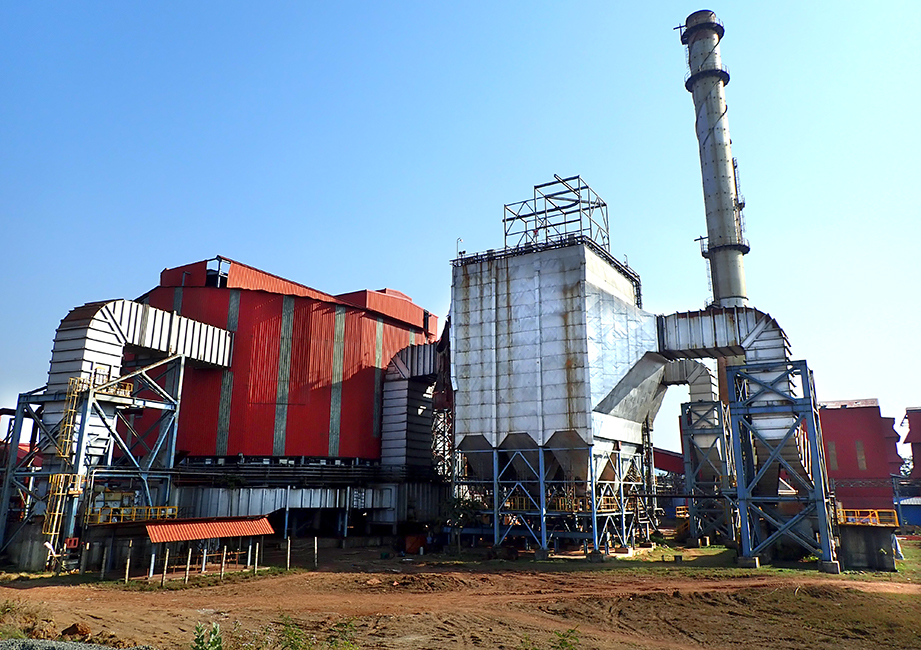
Pellet making has emerged as a game-changer in the modern steel industry, driven by the growing demand for sustainable, efficient, and high-quality burden materials. Iron ore pellets are becoming the preferred choice for blast furnaces and DRI (Direct Reduced Iron) plants alike, revolutionizing raw material preparation. These spherical agglomerates, produced from iron ore fines with binders and fluxes, are indurated at high temperatures to achieve excellent physical and metallurgical properties. This article explores what pellets are, why they matter, their key quality parameters, and their role in decarbonizing steelmaking, along with the implications, challenges, and opportunities they present.
Context of Pellet Making
✅ What are Pellets?
-
Definition: Pellets are spherical agglomerates produced from iron ore fines with binders (commonly bentonite) and fluxes. These green balls are then indurated at high temperatures, giving them excellent physical and metallurgical properties.
-
Process: The pelletizing process involves grinding fines, mixing with binders and fluxes (e.g., limestone), forming green balls, and firing them at 1,200–1,300°C to create durable pellets.
✅ Why Pellets Matter:
-
High Fe Content → Increases hot metal productivity: Pellets with 65–67% iron content boost furnace output by 10–15%.
-
Uniform Size & Strength → Ensures better gas flow and stable operation: Consistent 9–16 mm pellets optimize furnace efficiency.
-
Lower Impurities → Improves efficiency, reduces slag volume: Reduced silica and alumina cut slag by 20–30%.
-
Sustainable → Utilizes fines that would otherwise go to waste: Repurposes 50% of iron ore fines globally.
-
Versatility → Suitable for both Blast Furnace and DRI/EAF routes: Adapts to diverse steelmaking technologies.
✅ Key Pellet Quality Parameters:
-
CCS (Cold Crushing Strength): Measures pellet durability, typically 250–300 kg/pellet.
-
Tumbler & Abrasion Index: Assesses resistance to handling, with targets of 95% and 5% loss, respectively.
-
Reducibility & Swelling Index: Indicates ease of reduction and volume change, critical for DRI processes (reducibility >60%).
-
Basicity & Porosity: Influences slag formation and gas permeability, with basicity of 0.8–1.2 and porosity of 20–25%.
Strategic Context
-
Decarbonization Pressure: With steelmaking accounting for 8% of global CO2 emissions (2.6 billion tonnes annually), pellets align with net-zero goals by 2050.
-
Market Demand: Global pellet production reached 500 million tonnes in 2024, with India’s output growing 15% annually, driven by DRI expansion.
Implications of Pellet Making
Economic Impact
-
Productivity Boost: High Fe content and uniform size increase blast furnace productivity by 10–12%, supporting India’s 300 million tonne steel target by 2030.
-
Cost Efficiency: Lower impurities reduce energy costs by 5–7%, benefiting producers amid rising coal prices in 2025.
-
Job Creation: Expanded pellet plants could create 50,000 jobs in India’s steel belt (e.g., Odisha, Jharkhand).
Environmental and Industry Impact
-
Sustainability Gains: Utilizing fines cuts waste disposal costs and land use, aligning with circular economy principles.
-
Decarbonization Role: Pellets reduce coke usage by 10–15% in blast furnaces and enable hydrogen-based DRI, cutting emissions by 50% per tonne of steel.
-
Industry Standard: Leading steelmakers like ArcelorMittal and JSW are shifting 70% of their burden to pellets by 2027.
Social and Technological Impact
-
Energy Efficiency: Improved gas flow enhances furnace stability, reducing downtime by 5–10%.
-
Innovation Driver: Pellet quality parameters spur R&D in binders and induration technologies.
Challenges
Production Hurdles
-
Raw Material Variability: Inconsistent iron ore fines (e.g., 58–62% Fe) challenge pellet uniformity, risking quality drops.
-
Energy Intensity: Induration at 1,200–1,300°C consumes 2–3 GJ/tonne, straining energy budgets amid 2025’s 8% power cost hike.
Environmental Concerns
-
Emission Footprint: Despite benefits, pellet plants emit 0.5–1 tonne CO2/tonne, requiring carbon capture investments.
-
Binder Impact: Bentonite use raises silica levels, complicating slag management.
Market and Adoption Risks
-
Cost Competition: Pellets (₹4,500/tonne) are 20% pricier than sinter, deterring small producers.
-
Adoption Lag: Traditional blast furnace operators may resist transitioning from sinter, delaying market penetration.
Opportunities
Economic Advancement
-
Export Potential: High-quality pellets could tap Asian markets (e.g., Japan), boosting India’s $10 billion steel export goal by 2030.
-
Scale Efficiency: Larger plants (6–8 million tonnes/year) could cut production costs by 10–15%.
Sustainability and Innovation
-
Green Binders: Developing organic binders could reduce silica and emissions, aligning with ESG standards.
-
Hydrogen Integration: Pellets optimized for hydrogen-DRI could cut global steel emissions by 200 million tonnes annually by 2035.
Global and Industry Leadership
-
Technology Leadership: India’s pellet innovation could position it as a hub for low-carbon steelmaking, rivaling Sweden’s HYBRIT.
-
Supply Chain Resilience: Local pellet production reduces reliance on imported ores, supporting Atmanirbhar Bharat.