

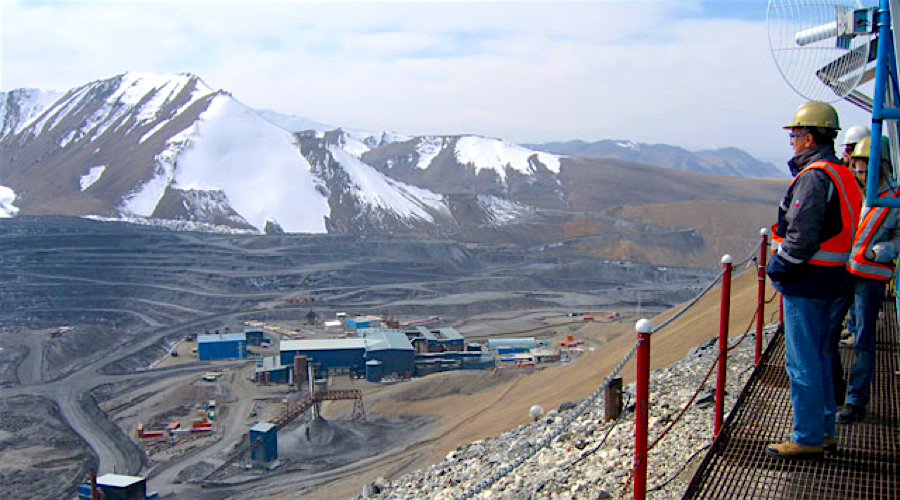
Reports indicate that Newmont Corporation, the world’s largest gold miner, is planning sweeping job cuts as part of a major cost-reduction drive. Aiming to lower all-in sustaining costs (AISC) by $300 per ounce—a 20% reduction—the Denver-based company is targeting thousands of layoffs following its $15 billion acquisition of Newcrest in 2023. With assistance from Boston Consulting Group, this move addresses a 50% cost surge over five years, raising questions about its impact on the workforce and industry. This article explores the context, implications, challenges, and opportunities of this strategic shift.
Context of the Job Cuts
Incident Overview
-
Report Release: Reports on August 27, 2025, indicate that Newmont is preparing to cut thousands of jobs.
-
Cost Target: The company seeks to reduce AISC from $1,593 per ounce (Q2 2025) to align with low-cost peers like Agnico Eagle.
-
Workforce Scope: With 22,200 employees and 20,400 contractors as of December 2024, the cuts could affect a significant portion.
Strategic Background
-
Acquisition Impact: The 2023 Newcrest acquisition expanded Newmont’s portfolio to 20 operations, increasing costs.
-
Consultant Role: Boston Consulting Group is aiding the restructuring, with staff notifications already underway.
-
Market Context: Record gold prices have not offset rising energy, labor, and material costs.
National and Industry Context
-
Economic Pressure: The cost surge has eroded profits despite high bullion prices, prompting aggressive cost-cutting.
-
Industry Trend: Competitors like Agnico Eagle maintain lower AISC, driving Newmont’s competitive strategy.
-
Public Sentiment: X posts reflect concern for affected workers, with some questioning the sustainability of such cuts.
Implications of the Job Cuts
Economic Impact
-
Cost Reduction: A $300 per ounce cut could save millions, enhancing profitability.
-
Market Response: Newmont’s shares remained stable, suggesting investor acceptance of the strategy.
-
Supply Chain Effects: Reduced workforce may impact production at sites like Lihir and Cadia.
Social and Institutional Impact
-
Employment Loss: Thousands of job cuts could strain local economies near mining operations.
-
Community Impact: Layoffs may affect 22,200 employees and 20,400 contractors’ families.
-
Corporate Image: The move tests Newmont’s reputation as a responsible employer.
Policy and Operational Impact
-
Industry Standards: Lowering AISC could set a benchmark for gold mining efficiency.
-
Operational Streamlining: Restructuring may improve long-term productivity.
-
Regulatory Scrutiny: Large-scale cuts may invite labor law reviews.
Challenges
Operational Hurdles
-
Execution Complexity: Managing thousands of layoffs requires precise planning to avoid disruptions.
-
Production Risks: Workforce reduction could slow output at key sites.
-
Morale Issues: Remaining employees may face burnout or disengagement.
Economic and Social Concerns
-
Economic Fallout: Local job losses could lead to unemployment spikes in mining regions.
-
Inequity Perception: Unequal impact on employees versus executives may breed resentment.
-
Contractor Vulnerability: The 20,400 contractors lack the job security of permanent staff.
Policy Risks
-
Labor Backlash: Unions or workers may challenge the cuts legally or through strikes.
-
Regulatory Pushback: Governments may impose stricter labor or environmental regulations.
-
Investor Doubt: Failure to meet cost targets could erode market confidence.
Opportunities
Economic Advancement
-
Profitability Boost: Achieving the $300 per ounce goal could strengthen financial health.
-
Investment Appeal: Cost efficiency may attract investors to Newmont stock.
-
Market Leadership: Lower AISC could position Newmont as an industry leader.
Social and Institutional Growth
-
Workforce Upskilling: Redirecting resources to train remaining staff could enhance skills.
-
Community Support: Reinvestment in affected regions could mitigate social impact.
-
Corporate Responsibility: Transparent communication may rebuild trust.
Policy Leadership and Innovation
-
Industry Model: Newmont’s approach could influence global mining cost strategies.
-
Sustainability Focus: Cost cuts might fund greener technologies.
-
Labor Innovation: New hiring practices could emerge from the restructuring.