

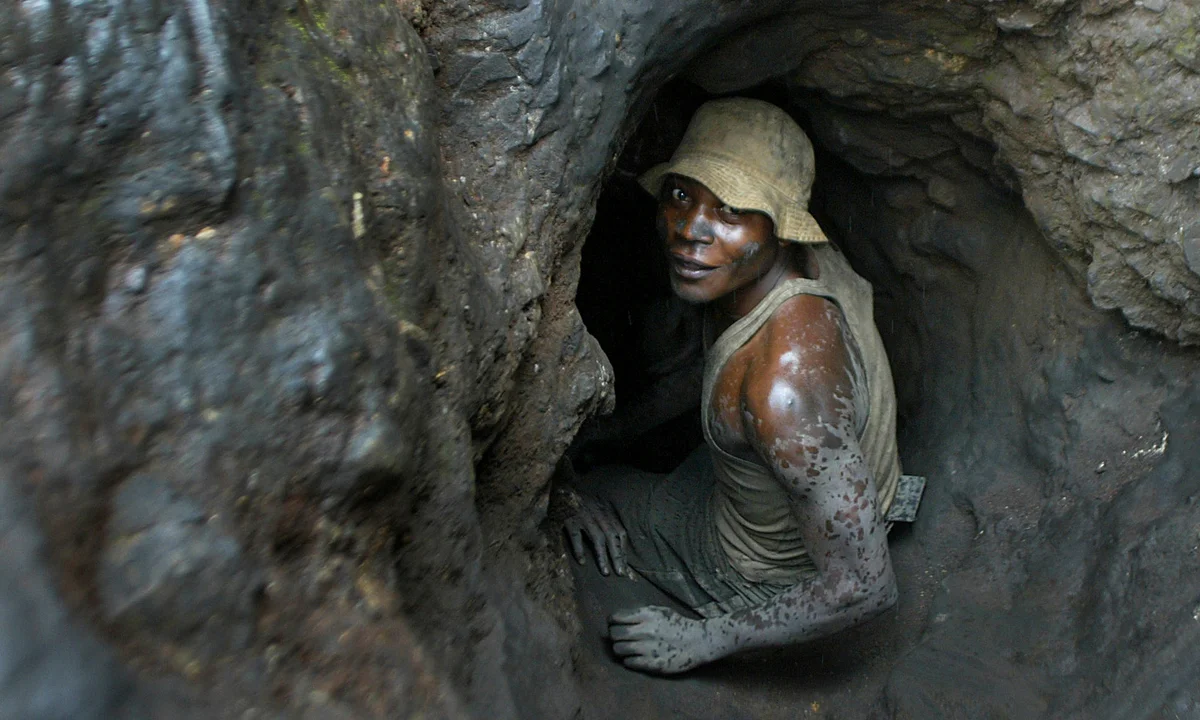
Africa is at the heart of the global critical minerals boom. With reserves of cobalt, lithium, copper, and rare earths essential for batteries, clean energy technologies, and digital infrastructure, the continent is being courted by global powers eager to secure supply chains. Yet, beneath the promises of investment lies a familiar concern: is Africa once again falling into the extractivist trap of “dig, ship, repeat”?
The Extractivist Model: Old Pattern, New Minerals
For decades, Africa’s role in global resource chains has been reduced to that of a raw material supplier. Whether it was gold, diamonds, oil, or copper, the cycle has remained the same:
-
Extraction of raw materials by foreign or joint-venture corporations.
-
Export without significant value addition.
-
Limited benefits for local economies beyond royalties and jobs.
Today, cobalt from the Democratic Republic of Congo (DRC), lithium from Zimbabwe, and rare earths from Tanzania and Malawi risk following the same cycle—extracted cheaply, shipped abroad, and processed elsewhere into high-value products.
The New Boom in Critical Minerals
-
DRC: Supplies over 70% of global cobalt, a vital mineral for electric vehicle (EV) batteries.
-
Zimbabwe: Emerging as a significant player in lithium, with Chinese companies leading investments.
-
Namibia & South Africa: Rich in rare earths and vanadium, critical for renewable energy storage.
-
Guinea: Holds some of the world’s largest untapped bauxite reserves, essential for aluminum.
While these resources are central to the energy transition, the risk is that Africa remains stuck in low-value extraction instead of building domestic refining, manufacturing, and innovation capacity.
The Extractivist Trap: Risks Ahead
-
Dependence on Commodity Exports – Price fluctuations leave economies vulnerable.
-
Environmental and Social Strain – Communities face displacement, water stress, and pollution.
-
Limited Local Value Addition – Most refining and processing takes place in China, Europe, or North America.
-
Geopolitical Tug-of-War – African states risk being drawn into global rivalries without securing long-term economic sovereignty.
Opportunities for a Different Path
To avoid the trap, experts argue Africa must:
-
Invest in Local Processing: Develop refineries and battery plants domestically.
-
Negotiate Better Contracts: Ensure royalties, local hiring, and technology transfer are guaranteed.
-
Regional Cooperation: Pool resources through blocs like the African Union to strengthen bargaining power.
-
Green and Responsible Mining: Balance extraction with environmental protection and community welfare.
Global Players and Their Stakes
-
China: Dominates investment and refining capacity, particularly in cobalt and lithium.
-
US & EU: Seeking to diversify supply chains away from China, offering infrastructure deals and partnerships.
-
India & Gulf States: Increasingly active in securing mineral access for their industrial bases.
This competition presents opportunities but also risks of neo-colonial exploitation if African governments fail to push for value addition at home.
The critical minerals boom could be Africa’s greatest chance to leapfrog into industrialization—or its latest brush with the extractivist curse. Unless African nations move from “dig and ship” to “process and prosper,” the promise of the green economy could leave the continent rich in resources but poor in results.