
Hindustan Zinc Eyes Uranium Mining, Conditional on Government Policy

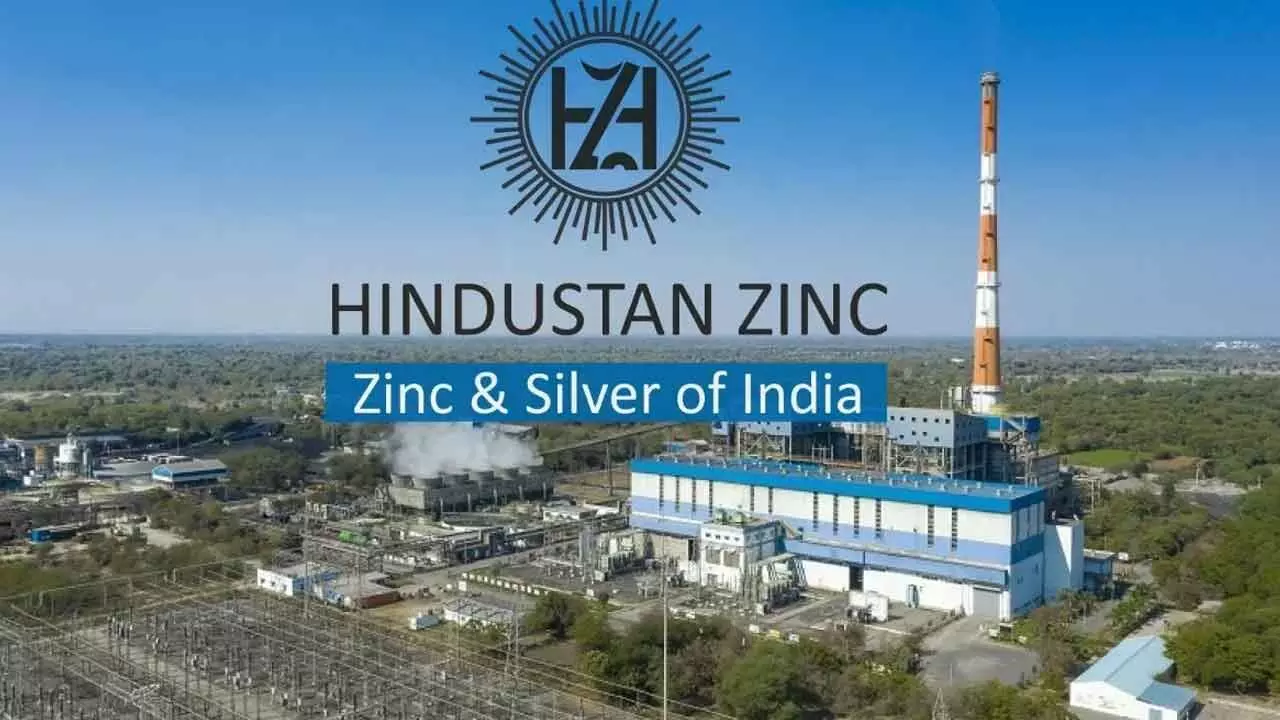
New Delhi, August 2025 — Hindustan Zinc Ltd (HZL), India’s leading zinc and silver producer, has announced its intention to enter uranium mining—if and when the government opens up the sector to private players. The company’s CEO, Arun Misra, made the remarks in an interview, signalling both a readiness and a strategic pivot dependent on regulatory change.
What the CEO Said
-
If new uranium mining blocks are made available to private companies, Hindustan Zinc intends to be among the first bidders.
-
“We will get into atomic minerals, and especially uranium, because the country needs it,” Misra said, underscoring the role uranium could play in India’s energy and strategic minerals future.
Context: Why This Move Matters
-
Government Policy Changes in the Offing: India’s government is considering ending the long-standing state monopoly over uranium mining, import, and processing. Opening these activities up to private sector players could attract substantial investment into nuclear energy infrastructure.
-
Nuclear Power Ambitions: India has set an ambitious target to expand its nuclear power production capacity twelve-fold by 2047. Uranium is a critical input for achieving that goal.
Broader Mineral Strategy at Hindustan Zinc
Misra also discussed how uranium is one piece of a larger strategy. Hindustan Zinc is exploring or expanding into several critical and rare earth minerals, including:
-
Rare earth minerals—having already won its first rare earth mineral block in Uttar Pradesh. There, extraction of neodymium (used in magnets for motors and generators) is projected in around 5-6 years.
-
Lithium, antimony, germanium, copper, and graphite are also on their radar. The company is seeking global partnerships for exploration, including firms from Australia, South Africa, Peru, Chile, and China.
-
Meanwhile, Hindustan Zinc plans to scale up its core zinc operations, with a target of doubling zinc production capacity to 2 million metric tons by 2029.
Challenges & Preconditions
While the intent is clear, there are several conditions and challenges that need to be met for the uranium expansion to happen:
-
Regulatory & Policy Approval: The government must formally allow private sector participation in uranium mining, import, and processing. Until that happens, private companies like HZL cannot proceed.
-
Safety, Security, Strategic Concerns: Uranium is a sensitive material—not just economically, but for national security, health, safety, and environmental concerns. These have historically been reasons for tight state control.
-
Operational and Technical Readiness: Moving into uranium and rare earths requires specialized technologies, safety protocols, supply chain adjustments, skilled labor, and environmental safeguards.
-
Market & Investment Risks: Since uranium prices, regulatory frameworks, and global demand are variable, there is risk in investing heavily without guaranteed timelines.
Implications & Significance
-
Strategic Mineral Security: If HZL succeeds, it will help India reduce its dependency on imports for uranium and other critical minerals, strengthening energy security and domestic supply chains.
-
Private Sector’s Role in Nuclear Energy: HZL’s overtures reflect a broader shift in policy intent—moving away from exclusive public sector control toward more diverse participation in nuclear-related mining activities.
-
Potential for Multiplier Effect: Success in uranium and rare earth mining could accelerate technology development, infrastructure investment, job creation, and ancillary industries (e.g. specialized refining, safety equipment).
What to Watch Next
-
Whether the government formally announces regulations allowing private mining/import/processing of uranium.
-
Which new uranium blocks (if any) are offered out for bidding.
-
The timelines HZL sets for feasibility studies, investments, and actual extraction, particularly in its newly won rare earth blocks.
-
How global partnerships and technology collaborations develop, especially in rare earth extraction and uranium safety and processing.
Hindustan Zinc’s CEO’s announcement that the company wants to expand into uranium mining marks a potentially transformative moment for India’s mining and energy sectors—if the regulatory gates open. It signals that big industry players are positioning themselves to support India’s nuclear and critical minerals ambitions, but much depends on policy, technical readiness, and strategic oversight.