

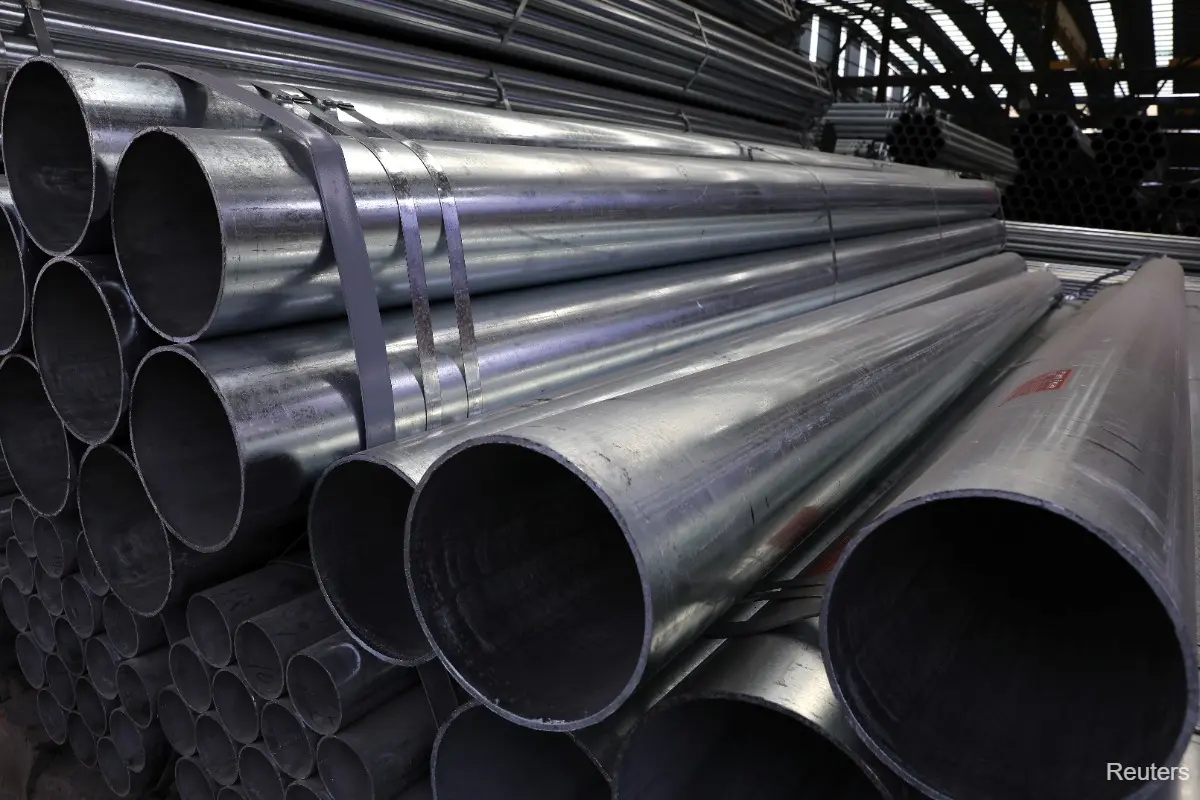
The European Union (EU) is preparing to impose steep tariffs, ranging from 25% to 50%, on steel and related products imported from China. The move marks the latest escalation in global trade tensions, as Brussels seeks to protect European industries from what it claims are unfair trade practices and excessive dumping by Chinese producers.
According to EU officials, the measures are aimed at countering the surge of low-cost Chinese steel that has been flooding European markets in recent years. They argue that Chinese companies, often backed by heavy state subsidies, are producing steel at volumes far exceeding domestic demand, and exporting the excess at prices significantly below fair market value. This has placed European steelmakers under severe pressure, leading to factory closures, job losses, and mounting calls for protectionist policies.
The proposed tariffs are expected to cover a broad range of products, including flat steel, stainless steel, tubes, and specialized alloys used in construction, automobiles, energy, and defense. The EU believes the duties will help restore a level playing field for European producers, while also sending a strong signal to Beijing that it must adhere to global trade rules.
Industry groups across Europe have welcomed the announcement, noting that many steel companies have been operating at thin margins for years. “European steelmakers cannot compete with artificially cheap imports. These tariffs are essential for preserving jobs and ensuring the long-term survival of the sector,” one industry representative said.
However, the move is likely to trigger pushback from China. Beijing has consistently rejected accusations of unfair trade practices, instead accusing Western economies of resorting to protectionism. Analysts warn that China could retaliate with countermeasures targeting European goods, potentially sparking a new phase of the ongoing global trade conflict.
Economists are also divided on the implications of the tariffs. While they may provide short-term relief to Europe’s struggling steel industry, consumers and downstream sectors that rely on affordable raw materials—such as construction, automotive manufacturing, and machinery—could face higher costs. This, in turn, might affect competitiveness in global markets.
The EU’s decision comes at a time when trade relations between major economies are increasingly strained. The United States has already imposed significant duties on Chinese steel, and countries like India, Japan, and Brazil have also raised concerns about excess Chinese capacity. With global demand for steel slowing, fears of a prolonged trade war loom large.
For now, the EU appears determined to safeguard its domestic industries, even at the risk of escalating tensions. As one EU official put it, “We are not against competition. We are against unfair competition. Europe will defend its workers and industries with every tool available.”
The final details of the tariff plan are expected to be unveiled in the coming weeks. If implemented, the measures could redefine the landscape of the global steel trade and set the stage for another round of economic confrontation between China and the West.