

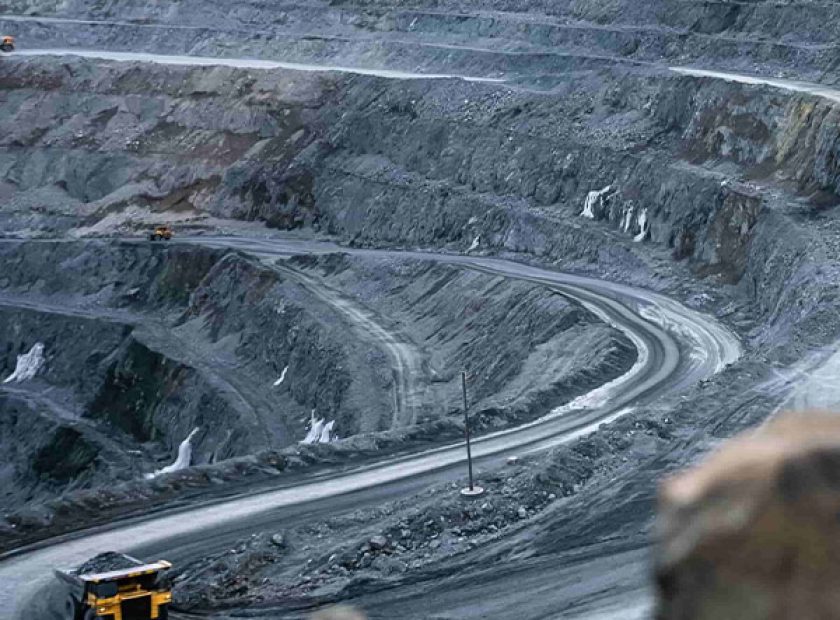
In a major policy shift aimed at accelerating India’s resource security, the government has announced that critical mineral projects will be exempted from mandatory public hearings during the environmental clearance process. The move is designed to fast-track mining and processing of minerals deemed vital for the country’s clean energy transition and industrial growth.
Critical minerals such as lithium, cobalt, nickel, rare earth elements, and graphite are essential for the production of electric vehicle batteries, renewable energy storage systems, and advanced electronics. With global demand rising and supply chains tightening, India has placed strategic focus on securing access to these resources, both domestically and abroad.
By removing the requirement for public hearings, the government seeks to cut down on delays often faced by mining and processing projects. Officials argue that the exemption will help India reduce its dependence on imports and align with the country’s broader vision of becoming self-reliant in critical mineral supply.
Industry experts view this decision as a significant step toward boosting investor confidence and encouraging private sector participation in the sector. Quicker clearances could lead to the rapid development of mining infrastructure, the establishment of processing facilities, and the creation of a domestic supply chain for minerals critical to the energy transition.
However, the decision is also expected to generate debate. Environmentalists and community groups have often raised concerns that bypassing public consultation may limit the scope for local participation and reduce checks on potential ecological and social impacts. The government, on its part, has assured that robust environmental safeguards will remain in place, even as procedural timelines are shortened.
The exemption is part of a broader push under India’s critical minerals strategy, which includes exploration, international partnerships, and recycling initiatives to secure long-term supplies. As the nation gears up for a rapid expansion of electric mobility and renewable power, streamlining project approvals is seen as crucial to meeting energy and climate goals.