
Copper Surges to Highest Level in Over a Year as Supply Disruptions and Deficit Fears Mount

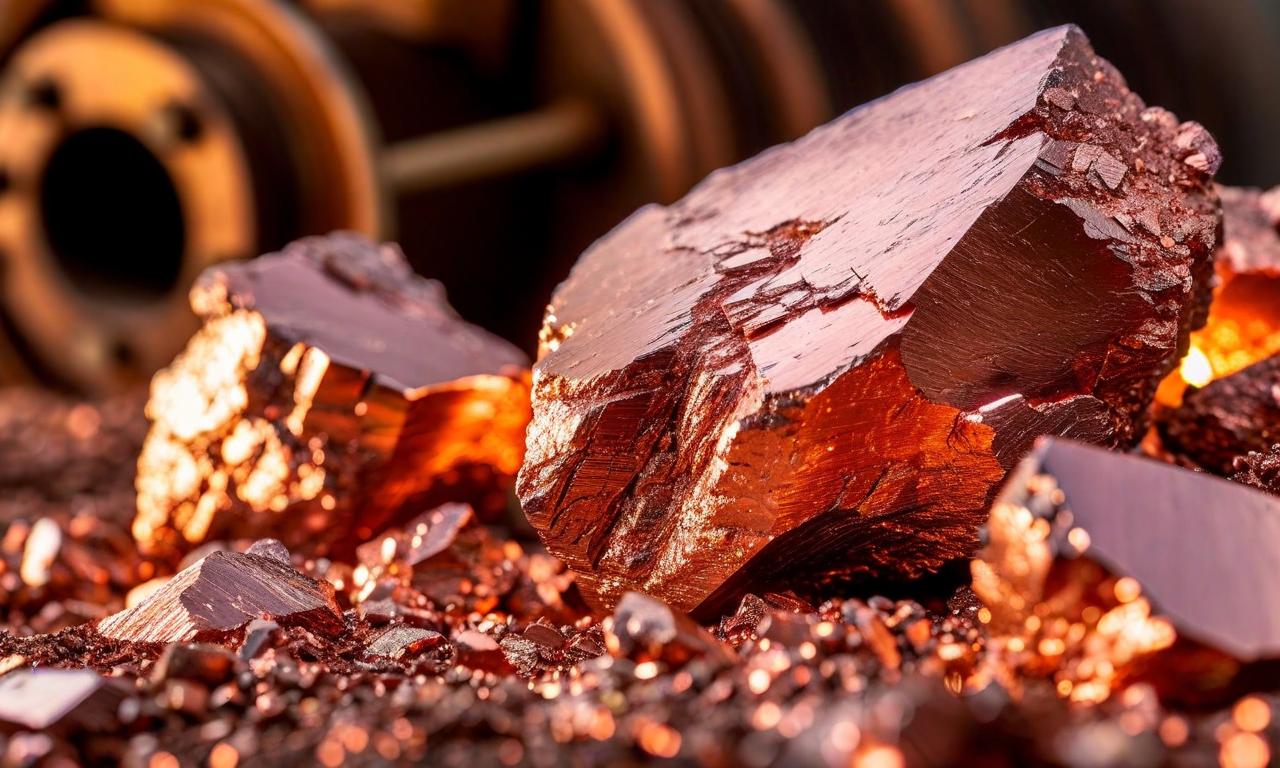
Copper prices have climbed to their strongest level in more than a year, briefly crossing $10,500 per tonne on the London Metal Exchange (LME) and topping $10,976 on CME futures. The sharp rally reflects a confluence of supply shocks, shifting macroeconomic expectations, and resilient demand from the global energy transition.
Why the Surge?
Several developments have converged to propel copper upward:
-
Disruption at Grasberg: Freeport-McMoRan, one of the world’s largest copper producers, declared force majeure at its Grasberg mine in Indonesia, disrupting supplies from a major global source.
-
South America & Africa Risks: Additional production challenges in key mining regions such as Chile, Peru, and parts of Africa have tightened availability.
-
Projected Supply Deficit: Analysts now expect a 400,000-tonne shortfall in 2025, flipping earlier forecasts of surplus into deficit. Goldman Sachs, for instance, has revised its outlook from oversupply to shortage.
-
Macro Tailwinds: Weak U.S. payroll data combined with fears of a government shutdown have lowered expectations for Federal Reserve rate hikes, pushing the dollar down and boosting commodity demand.
-
Green Tech Demand: Despite economic uncertainties, copper demand remains firm, particularly from clean energy technologies, electric vehicles, and power grid expansion.
The Bigger Picture
Copper is often referred to as the “metal of electrification” — essential for everything from EV batteries and charging stations to renewable energy infrastructure. As one market strategist put it:
“There’s no energy transition without copper. But mines take years. The deficit takes days.”
This captures the central tension: demand for copper is surging in the short term due to structural shifts in energy and industry, yet supply growth is slow, requiring long timelines for exploration, permitting, and mine development.
What’s Next?
The recent rally may not be the end of copper’s story. With global inventories thin, supply chains fragile, and the energy transition accelerating, further volatility is likely. If deficits persist, prices could remain elevated or even test new highs, reshaping costs for industries dependent on the red metal.
For now, one thing is clear: copper has reasserted itself at the center of global markets. Investors, policymakers, and manufacturers alike will need to keep a close eye on the red metal — because this rally is far from over.