
TNPCB Report Flags Dangerously High Levels of Toxic Metals in Manali Waste Incinerator Ash

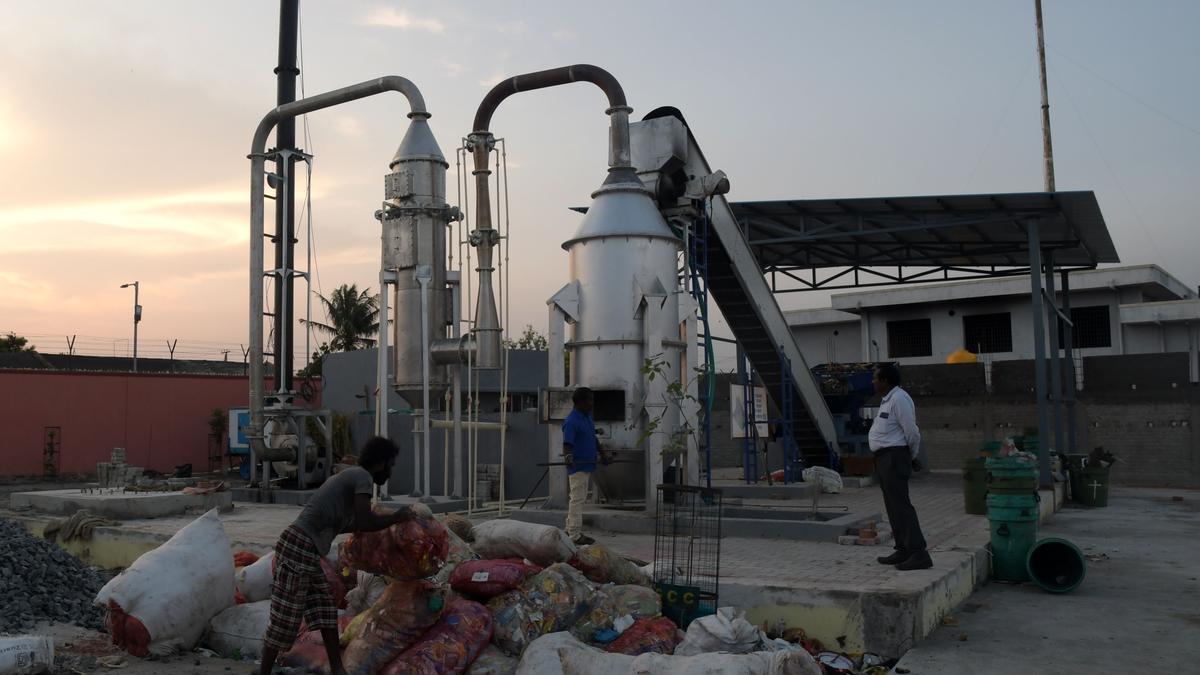
A recent report by the Tamil Nadu Pollution Control Board (TNPCB) has raised serious environmental and public health concerns, revealing alarmingly high levels of toxic metals in the ash produced by the Manali waste incineration facility. The findings have sparked debates over waste management practices and the long-term impact of industrial and municipal waste processing in the region.
Hazardous Metals Found in Ash
The TNPCB analysis indicated that the incinerator ash contains elevated concentrations of heavy metals, including lead, cadmium, mercury, and arsenic. These metals are known for their toxic and bioaccumulative properties, posing significant risks to human health and the environment. Experts warn that improper disposal or handling of such ash could contaminate soil, groundwater, and nearby ecosystems, potentially affecting agriculture and residential areas in and around Manali.
Implications for Public Health
Exposure to heavy metals in incinerator ash can have serious long-term health consequences. Lead and cadmium are associated with kidney damage, neurological disorders, and developmental issues in children, while mercury and arsenic can lead to respiratory problems, skin lesions, and increased cancer risk. Local communities living near the Manali incinerator are at heightened risk, particularly if ash is stored in open areas or used inappropriately for landfilling or construction.
Health authorities have emphasized the need for regular monitoring of air, water, and soil quality around the facility, alongside public awareness campaigns about the potential dangers of contact with incinerator residues.
Concerns Over Waste Management Practices
The TNPCB report also highlighted inadequacies in the waste management system at Manali. Improper segregation of municipal and industrial waste, combined with insufficient emission control measures, appears to have contributed to the high toxicity levels in the ash. Environmentalists have criticized the facility for lacking modern filtration and metal-capture technologies, which are crucial to reducing the release of hazardous elements during incineration.
Calls for Immediate Action
Following the report, environmental groups and local authorities are demanding urgent remedial measures. Recommendations include:
-
Improved waste segregation at source to prevent industrial contaminants from entering municipal incinerators.
-
Adoption of advanced incineration technologies with proper metal capture and filtration systems.
-
Safe storage and disposal of toxic ash in lined landfills designed to prevent leaching.
-
Continuous monitoring of environmental and health parameters in surrounding communities.
Government Response and Next Steps
The TNPCB has reportedly asked the Manali facility operators to submit an action plan for reducing the levels of toxic metals and ensuring compliance with environmental standards. Meanwhile, the state government is expected to review regulatory oversight of waste-to-energy plants across Tamil Nadu to prevent similar hazards elsewhere.
Conclusion
The TNPCB report underscores the growing environmental risks posed by outdated and poorly managed waste incineration practices. With toxic metals like lead, cadmium, mercury, and arsenic present in dangerously high concentrations, urgent intervention is required to protect public health and safeguard local ecosystems. As urban waste generation continues to rise, the Manali case serves as a critical reminder of the need for strict environmental regulations, modern technology adoption, and community awareness in waste management.