
Australian Car Company Collapses, Owes Millions to Creditors Amid Market Slowdown

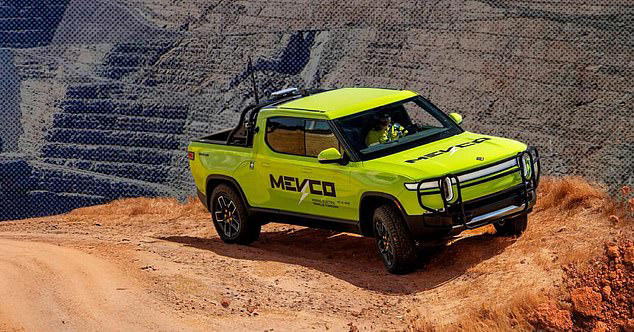
An Australian car company has collapsed owing millions of dollars, sending shockwaves through the country’s automotive industry and leaving customers, suppliers, and employees in uncertainty. Administrators were appointed earlier this week after the company revealed it could no longer sustain operations due to mounting debts and weakening sales.
The unnamed Melbourne-based manufacturer and distributor had been struggling for months amid rising operational costs, supply chain disruptions, and intense competition from overseas brands. According to early reports from the administrators, the company owes several million dollars to creditors, including parts suppliers, logistics partners, and financial institutions.
Employees have been advised that operations are suspended while administrators assess the company’s financial records. Several customers who had prepaid for vehicles or deposits are now concerned about refunds, with some fearing they may not recover their money.
Industry analysts say the collapse reflects broader pressures in Australia’s automotive sector, where smaller manufacturers face steep challenges from high import penetration, tightening lending conditions, and a slowdown in discretionary spending.
Administrator Mark Reynolds stated, “The company’s financial position deteriorated rapidly over the past quarter. Our immediate priority is to secure the assets, review outstanding liabilities, and determine whether any part of the business can be salvaged or sold.”
Consumer advocacy groups have urged affected customers to document all payments and file claims promptly. Meanwhile, experts warn that more small automotive firms could face similar difficulties if economic conditions fail to stabilize.
As investigations continue, the collapse highlights the fragile state of niche car businesses in Australia, raising questions about the long-term viability of domestic automotive enterprises in an increasingly competitive global market.