
Vidarbha’s Coal Mining Boom: Maharashtra Emerges as Key Powerhouse in India’s Energy and Metals Chain

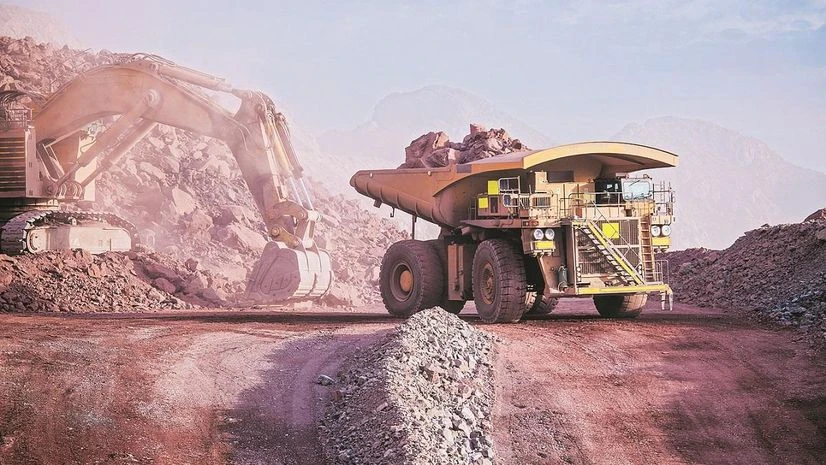
The Vidarbha region of Maharashtra is witnessing a significant transformation in its mining landscape, as it now leads the country with 25 major coal-mining projects valued at approximately ₹12,400 crore, according to The Times of India. This large-scale expansion is being spearheaded by Western Coalfields Limited (WCL) and is poised to play a pivotal role in strengthening India’s energy and industrial metals sectors.
A Strategic Shift in Maharashtra’s Mining Sector
The projects are spread across key districts—Chandrapur, Yavatmal, Nagpur, and Amravati—which together form the heart of Vidarbha’s coal belt. These regions have historically been coal-rich, but recent investments mark a shift toward modernization and efficiency.
WCL is focusing on transitioning from traditional underground mining to opencast mining, a method that enables higher output and improved safety standards. The adoption of continuous miners and surface miners is also part of this modernization push, ensuring enhanced productivity with reduced environmental and human risk factors.
Boosting National Energy Security
India’s dependence on coal remains significant, given its role in power generation and heavy industries like steel, cement, and aluminum. The Vidarbha coal projects are expected to augment domestic coal availability, thereby reducing reliance on imports and ensuring a more stable energy supply.
With India’s energy demand rising steadily, WCL’s expansion aligns with the government’s target of achieving self-sufficiency in fuel and raw materials for critical industries. This initiative could significantly contribute to India’s broader goal of sustainable and secure industrial growth.
Strengthening the Metals Supply Chain
Coal remains an essential input in steelmaking and various metallurgical processes. Increased coal output from Vidarbha will directly benefit India’s metal producers, including those in the iron, steel, and non-ferrous segments. This surge in raw material supply could reduce production costs, stabilize prices, and enhance competitiveness in both domestic and export markets.
Additionally, the expansion will likely have a multiplier effect on regional industries—spurring demand for mining equipment, transport infrastructure, and ancillary services that support the broader metals and minerals ecosystem.
Economic and Employment Impact
The ₹12,400-crore investment in coal mining projects is also expected to generate substantial employment opportunities in the region. Direct and indirect job creation will benefit thousands, supporting the local economy and encouraging industrial development in Maharashtra’s interior districts.
Infrastructure improvements, including new rail links and coal-handling facilities, are being developed to handle the expected increase in output efficiently. This infrastructure expansion will not only serve mining operations but also boost logistics and trade across central India.
Towards a Modern and Sustainable Mining Framework
While the focus is on expansion, there is also an increasing emphasis on environmental responsibility. WCL and state authorities are expected to adopt eco-friendly mining practices, including afforestation initiatives, land reclamation, and dust control systems. The integration of advanced technologies ensures more precise extraction, minimizing ecological damage and improving overall sustainability.
Conclusion
The large-scale coal mining expansion in Maharashtra’s Vidarbha region marks a defining moment for India’s mining and metals industry. With WCL’s leadership and government support, the projects promise to enhance energy security, strengthen raw material supply for industrial growth, and position Maharashtra as a key driver of India’s mining revolution.