
Global Scramble Intensifies: Africa Becomes Centerpiece of Critical-Minerals Race for Clean-Energy Future

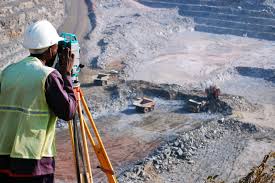
The race is on — and Africa is at the heart of it. As the world pivots toward clean energy, electric vehicles (EVs) and renewable technologies, demand for critical minerals like lithium, graphite, cobalt, nickel, manganese and rare-earth elements has exploded. With an estimated 30% of the world’s reserves of these minerals lying beneath its soil, the African continent stands as the new global battleground for strategic resource control.
According to experts, the shift to green energy — including EV batteries, energy storage systems, wind turbines and solar technology — will drive demand for these minerals to double or even triple by 2040.
Why Africa Matters
-
Abundant reserves: Countries across Sub-Saharan Africa hold vast deposits of cobalt, graphite, lithium, manganese, nickel, and rare earths — all vital for the clean-energy transition.
-
Strategic leverage: As nations and corporations scramble to secure supply chains, Africa’s mineral wealth gives it outsized geopolitical importance. Western economies, China, and other major players are intensifying investment and negotiations for mining access and long-term contracts.
-
Economic opportunity — with caveats: While mineral wealth could fuel infrastructure, jobs, and industrial development in Africa, the benefits have so far been limited by a reliance on “pit-to-port” export models, weak value addition, and lack of local processing.
Challenges Ahead: Governance, Value-Addition & Sustainability
African mining ministers and observers have warned that the continent must avoid falling into the trap of exporting raw materials with little local benefit. At a recent G20 dialogue, South Africa’s Minerals and Petroleum Resources Minister Gwede Mantashe called for a “continental response” — pushing for improved governance, value addition, and collective bargaining power.
A new report by Greenpeace Africa cautions that without equitable distribution of benefits, transparent regulation and strengthened local processing, Africa risks repeating the “resource curse” — where mineral wealth fuels environmental degradation, inequality, and dependency on foreign value chains.
Despite holding an estimated 30% of critical-mineral reserves, Africa attracts only a small fraction of global investments for exploration and processing, highlighting a major gap between potential and actual benefits.
What’s Next: From Raw Minerals to Global Supply Chains
To fully capitalize on this moment, African countries — both individually and collectively — are under pressure to shift from raw-mineral exporters to integrated players in global value chains. That means local refining, mineral processing, value-added manufacturing, and clean-energy infrastructure.
The call for such transformation is gaining momentum: many experts argue that only by building industrial capacity, enforcing strong governance, and promoting sustainability can Africa ensure its mineral wealth serves its people, not just global demand.
As one global analyst puts it: the question is no longer whether the world needs Africa’s minerals — it’s whether Africa can ensure its minerals benefit Africa.