
Congo Sets New Export Conditions to Keep Tight Grip on Cobalt — Major Overhaul Raises Global Supply, Price Questions

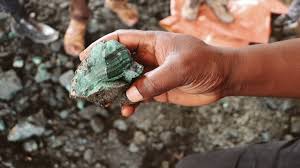
Democratic Republic of Congo (DRC) — the world’s dominant cobalt producer — has introduced a sweeping new set of export conditions aimed at strengthening state control over the critical battery-metal supply, a move that could reshape global cobalt markets.
Reuters
Under a joint circular from the DRC’s mines and finance ministries (dated November 26, 2025), exporters must now comply with strict procedures before shipping any cobalt. Key new requirements include: pre-paying a 10% mining royalty within 48 hours of declaring a sale, obtaining a newly designed “Quota Verification Certificate” (AVQ) from the strategic-minerals regulator Authority for the Regulation and Control of Strategic Mineral Substances’ Markets (ARECOMS), mandatory joint sampling, sealing of lots, and multi-agency physical inspections.
TradingView
These measures replace the export ban that the country imposed earlier in 2025. While the ban was lifted and replaced with a quota system in October, no shipments have moved since as producers await clarity and attempt to meet the new compliance conditions.
MarketScreener
For the remainder of 2025, the DRC has allocated quotas of 18,125 metric tons of cobalt. Starting 2026, the annual export cap has been set at 96,600 tons. These quotas are expected to rise slowly, with a portion retained as a strategic reserve by ARECOMS.
worldenergynews.com
The new conditions have already rattled global supply chains. Market analysts warn that the compliance uncertainties, delayed shipments, and risk of production license revocation for non-compliance are likely to fuel price volatility. Indeed, cobalt spot prices have surged to about US $24 per pound, up from around $10 just months ago.
Observers note that while the DRC’s crackdown aims to boost state revenue and curb unregulated mining, it may also trigger a supply squeeze — potentially affecting battery-metals supply for electric vehicle (EV) makers and energy-storage industries globally.
As of now, the new export-compliance framework is in effect — but the full impact on global cobalt supply, pricing, and the EV battery sector will only become clear in the coming months.