
Stibnite Gold Project: A Life-of-Mine Vision from Development to Full Reclamation

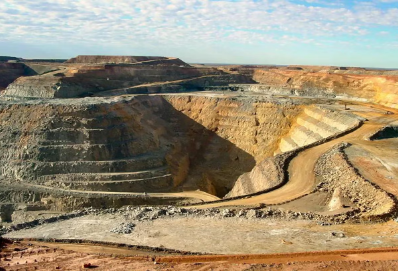
The Stibnite Gold Project represents a rare example of a modern mining development designed with its entire life cycle in mind—from active extraction to final land reclamation. Located in a historic mining district in central Idaho, the project reflects both the legacy of past mining and the evolution of contemporary, responsible mine planning.
Owned by Midas Gold, the Stibnite Gold Project is considered a world-class asset. An independent pre-feasibility study completed in 2014 highlighted the project’s potential as a large-scale, long-life, low-cost open-pit gold mine. The study demonstrated strong economics, positioning the project among the most competitive gold developments of its kind.
Beyond gold, the project is notable for its significant antimony component. Antimony is a strategically important mineral used in defense, energy storage, and flame-retardant applications, and its presence provides valuable by-product credits that enhance the project’s overall economic strength. With multi-million-ounce high-grade open-pit gold reserves and substantial exploration upside, the project offers long-term growth potential.
A key milestone was reached in September 2016 when the company submitted its Plan of Restoration and Operations, formally initiating the permitting process. This plan outlines not only how mining would be carried out, but also how disturbed land, waterways, and ecosystems would be progressively restored. The life-of-mine approach emphasizes environmental responsibility alongside economic development.
The Stibnite Gold Project stands out in North America as a development that integrates modern engineering, regulatory compliance, and reclamation planning from the outset. Its time-lapse vision—from mine construction through production and ultimately to full reclamation—demonstrates how contemporary mining projects are increasingly designed to balance resource extraction with long-term environmental stewardship.
As permitting advances and studies continue, Stibnite remains one of the most closely watched gold development stories in the region, reflecting how mining has evolved into a disciplined, life-cycle-based industry rather than a purely extractive activity.