

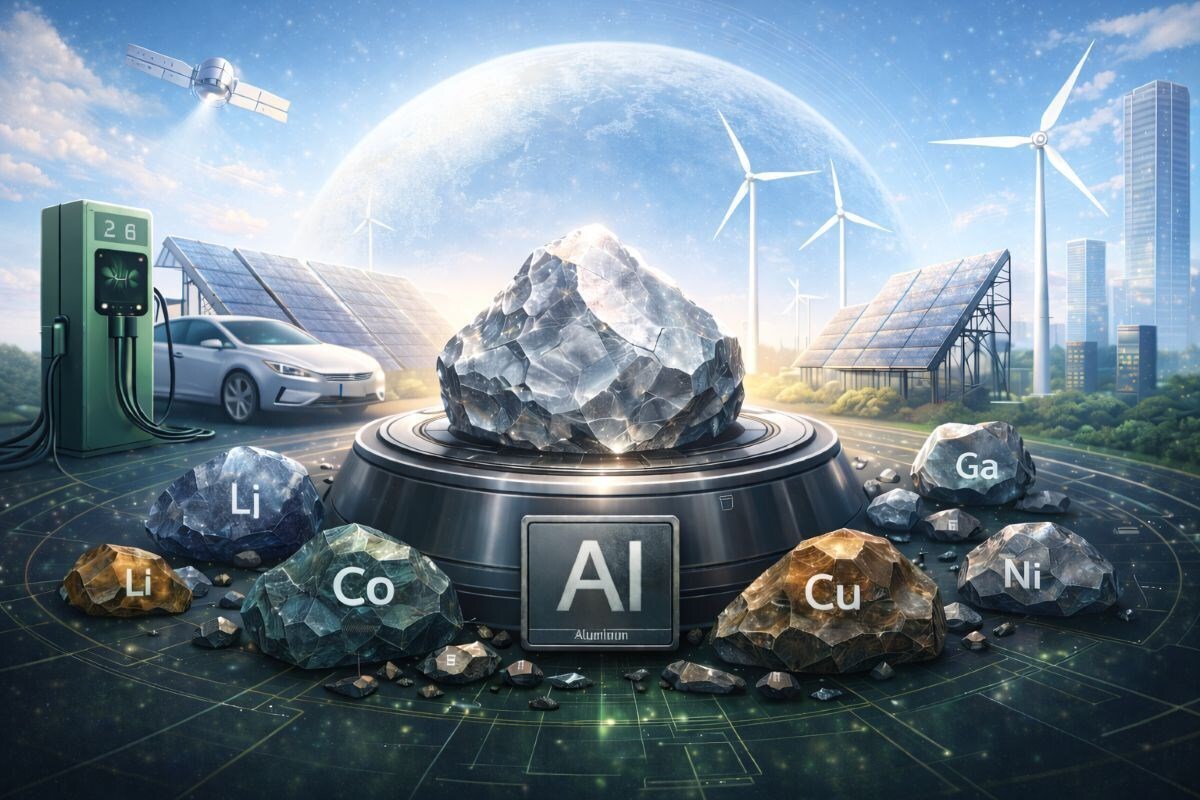
As the global economy transitions toward clean energy, digitalisation, and advanced manufacturing, aluminium and other critical minerals are becoming increasingly essential to what experts describe as the “new metals age.” These materials now sit at the heart of industrial growth, energy security, and technological competitiveness.
Aluminium has gained strategic importance due to its lightweight nature, high strength-to-weight ratio, corrosion resistance, and recyclability. It is widely used across sectors such as renewable energy, electric vehicles, construction, aerospace, packaging, and power transmission. With rising emphasis on decarbonisation, aluminium’s role in reducing emissions through lightweight transport and renewable infrastructure has expanded significantly.
Alongside aluminium, critical minerals such as lithium, cobalt, nickel, copper, and rare earth elements are vital for batteries, electric mobility, semiconductors, defence systems, and clean energy technologies. Demand for these minerals is accelerating as countries scale up electric vehicle adoption, energy storage solutions, and grid modernisation projects.
Governments worldwide are now prioritising secure access to critical minerals, recognising their importance for economic resilience and strategic autonomy. Supply chain disruptions, geopolitical risks, and concentrated global production have further highlighted the need for domestic exploration, responsible mining, and recycling initiatives.
Industry analysts note that the metals age will be defined not just by availability, but by sustainability, processing capabilities, and technological innovation. Efficient resource utilisation, circular economy practices, and environmentally responsible extraction are expected to shape the future of aluminium and critical mineral industries.