
President-elect Kast Stuns Mining Sector with Chile Ministry Merger Decision

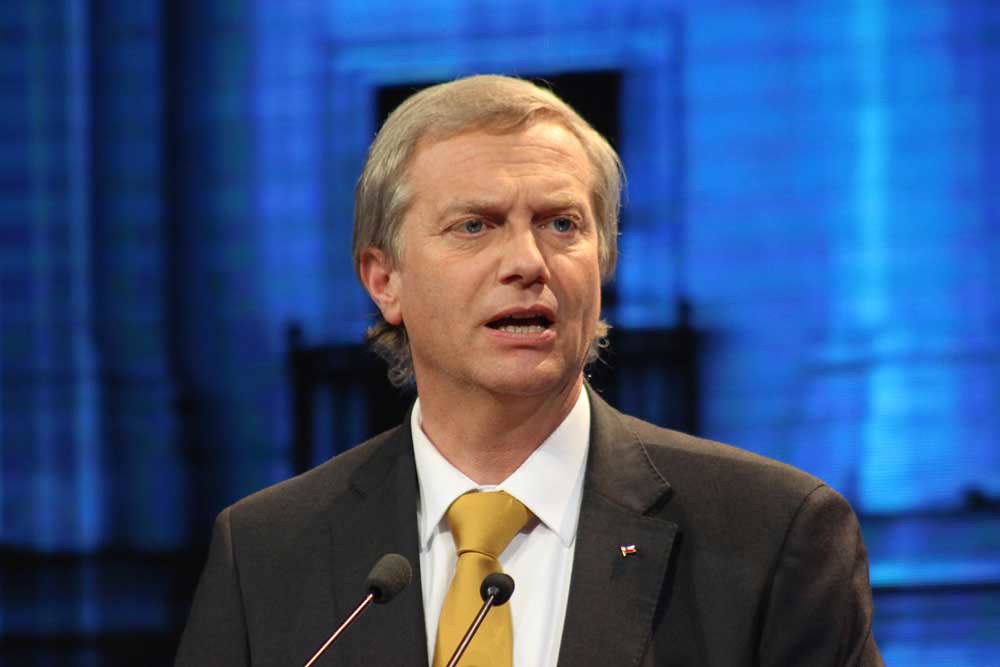
Chile’s mining industry has been taken by surprise after President-elect José Antonio Kast announced a decision to merge the country’s Ministry of Mining with the Ministry of Economy, a move that has triggered concern among miners, investors, and industry bodies.
The announcement, made during the unveiling of the incoming cabinet framework, marks a significant shift from Chile’s long-standing practice of maintaining a dedicated ministry for mining, a sector that forms the backbone of the national economy. Chile is the world’s largest copper producer and a key global supplier of lithium, making mining policy central to fiscal stability and export earnings.
Under the new structure, oversight of mining will fall under a broader economic portfolio, aimed at aligning investment, industrial growth, and regulatory decision-making. However, industry representatives argue that the merger risks diluting sector-specific expertise at a time when Chile faces rising production costs, complex environmental regulations, and intense global competition for critical minerals.
Mining associations have expressed unease over whether the combined ministry will be able to give adequate attention to challenges such as permitting delays, declining ore grades, and long-term investment certainty. Some executives fear the change could slow decision-making on large-scale projects and reduce direct dialogue between miners and policymakers.
Supporters of the move within the incoming administration say the merger is intended to streamline governance, reduce bureaucratic overlap, and create a more investment-friendly environment. They argue that closer coordination between economic policy and mining regulation could help accelerate growth and attract foreign capital.
The decision comes as Chile prepares for a new political chapter, with the Kast administration set to take office in March. The impact of the ministry merger on mining policy, investor confidence, and regulatory clarity is expected to remain a key issue closely watched by domestic and international stakeholders in the months ahead.