

Support CleanTechnica’s work through a Substack subscription or on Stripe.
Heading to BusWorld Indonesia, I sat beside an automotive and finance expert from Petronas. He requested to remain anonymous because he said he cannot represent his company in this chat, but he gave deep insights into how Malaysia’s Malacca state is rapidly emerging as a manufacturing base for Chinese electric vehicle brands seeking a foothold in Southeast Asia.
He also said that Petronas’ aim is to achieve net-zero carbon emissions by 2050. But that is another story.
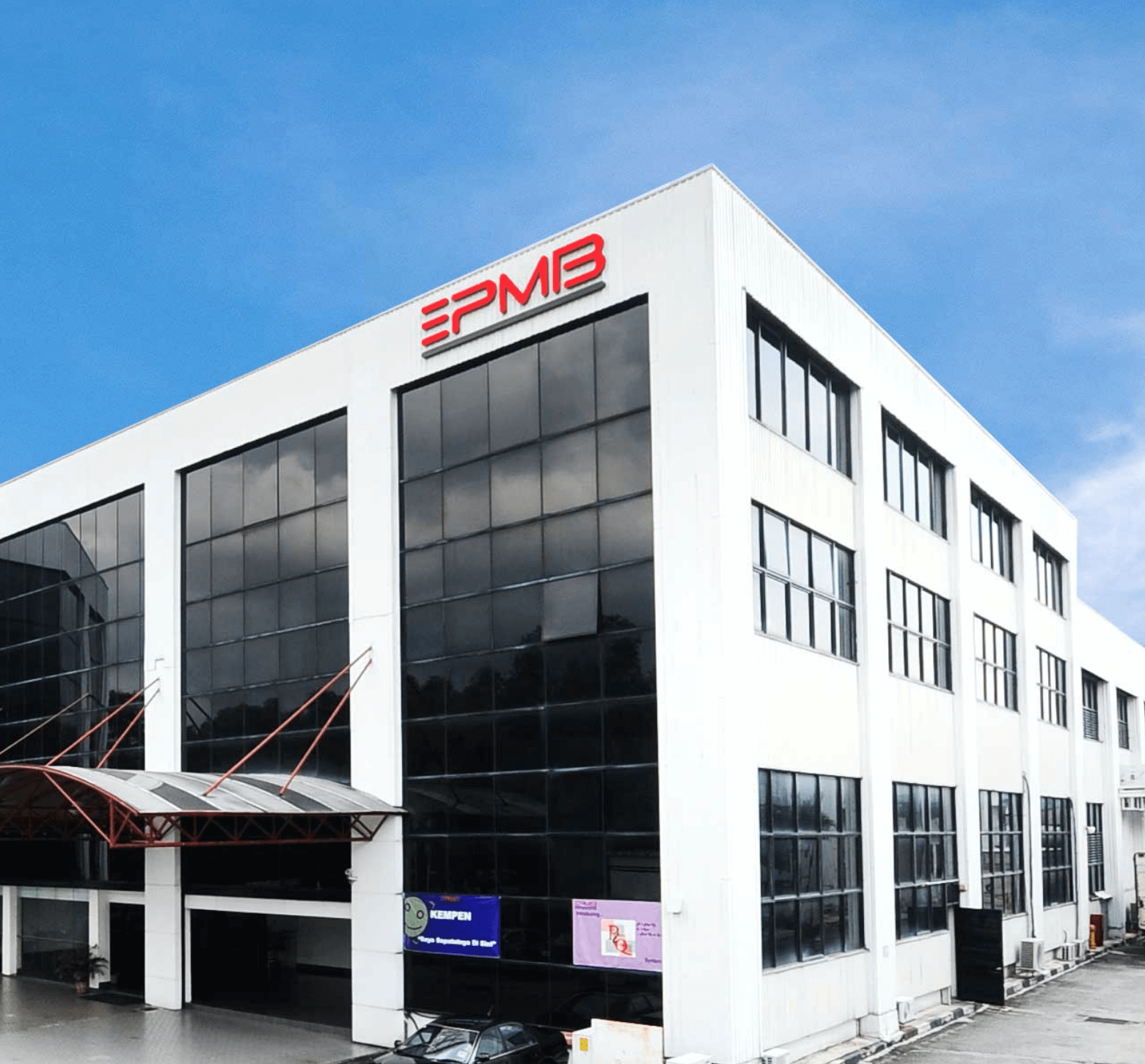
What began several years ago as a series of investment announcements is now evolving into an export-oriented assembly ecosystem centered around EP Manufacturing Berhad’s (EPMB) Pegoh facility.
A 2025 ASEAN Briefing report noted that Malaysia was positioning itself not as a battery minerals powerhouse like Indonesia or a traditional automotive giant like Thailand, but as a right-hand-drive assembly and export hub for Chinese automakers entering ASEAN markets.
EPMB’s plant in Pegoh, Malacca, has become central to that strategy. Originally linked with local assembly operations for Great Wall Motor (GWM), the facility is now associated with multiple Chinese automotive brands, including XPeng, MG, and BAIC.
In March 2026, Paul Tan’s Automotive News reported that the first locally assembled MG S5 EV rolled off the Pegoh production line, making it the first SAIC Motor model assembled in Malaysia through EPMB. The company said the facility is targeting annual production capacity of up to 30,000 vehicles under its second expansion phase, with exports also under consideration.
The plant’s growing importance became clearer following XPeng’s December 2025 announcement that it would begin local assembly operations in Malaysia through the company. The story which appeared on CleanTechnica said the XPeng G6 electric SUV is scheduled for production by March 31, 2026, followed by the X9 MPV and its PowerX range-extended variant by May 25, 2026.
Reuters reported that XPeng viewed Malaysia as part of its broader global manufacturing expansion strategy, leveraging EPMB’s existing capacity and planned expansion.
Industry observers say the move reflects a broader trend among Chinese EV companies seeking overseas production locations to reduce tariff exposure, improve ASEAN market access, and localize operations before Malaysia’s tax exemptions for fully imported EVs expire at the end of 2025. Locally assembled EVs in Malaysia continue to receive tax incentives through 2027.
The Pegoh expansion also suggests Malaysia is moving beyond simple semi-knocked-down assembly operations. According to Autobuzz Malaysia, EPMB’s Phase 2 expansion increases annual capacity from around 6,000 units to 30,000 units, while future phases are expected to add more advanced production capabilities.
The rapid progress at Pegoh contrasts with another major EV manufacturing proposal in Malacca that has moved more slowly.
Fieldman EV Sdn Bhd previously announced plans for a RM1 billion (US$233 million) EV assembly plant in the Elkay Lipat Kajang Industrial Area in Jasin in partnership with China’s Changan Automobile. Early planning activities date back to around 2018, with the facility envisioned as Malaysia’s first dedicated EV assembly plant for right-hand-drive vehicles targeting ASEAN markets.
While the Changan-linked project remains under development, EPMB’s Pegoh operation has already transitioned into active multi-brand vehicle assembly.
Thailand remains Southeast Asia’s dominant automotive manufacturing center, particularly for Japanese automakers, while Indonesia has focused heavily on nickel processing and battery supply chain development. Malaysia, by contrast, appears to be carving out a role as a flexible contract manufacturing and export platform for Chinese EV brands.
XPeng’s Malaysian operations are expected to support right-hand-drive ASEAN markets, complementing the company’s Indonesian operations.
At the same time, automakers are accelerating localization plans ahead of shifting Malaysian EV policies. Analysts note that the planned expiration of incentives for fully imported EVs has pushed more Chinese brands toward local assembly partnerships.
Malacca’s EV ecosystem remains in its early stages, and many announced investments still depend on sustained regional demand, supply chain localization, and continued government support. Still, the growing concentration of Chinese EV activity in the state suggests Malacca is steadily evolving into a new manufacturing node within Southeast Asia’s electrified automotive supply chain.
Sign up for CleanTechnica’s Weekly Substack for Zach and Scott’s in-depth analyses and high level summaries, sign up for our daily newsletter, and follow us on Google News!
Have a tip for CleanTechnica? Want to advertise? Want to suggest a guest for our CleanTech Talk podcast? Contact us here.
Sign up for our daily newsletter for 15 new cleantech stories a day. Or sign up for our weekly one on top stories of the week if daily is too frequent.
CleanTechnica uses affiliate links. See our policy here.
CleanTechnica’s Comment Policy