


Support CleanTechnica’s work through a Substack subscription or on Stripe.
On our most recent adventure day, Majella and I set out to view the BYD Sealion 7 — currently battling it out with the Tesla Model Y to be Australia’s number one selling BEV. Preliminary data indicated that the Tesla Model Y has won the battle for June. Our friends know that we are planning to upgrade our 7-year-old Tesla Model 3 and challenged us to consider the Sealion 7 as an alternative for the Tesla Model Y. In short, it was no contest. The Tesla it is, better tech for a few thousand dollars more. Plus, I guess we are more used to the minimalist design features.
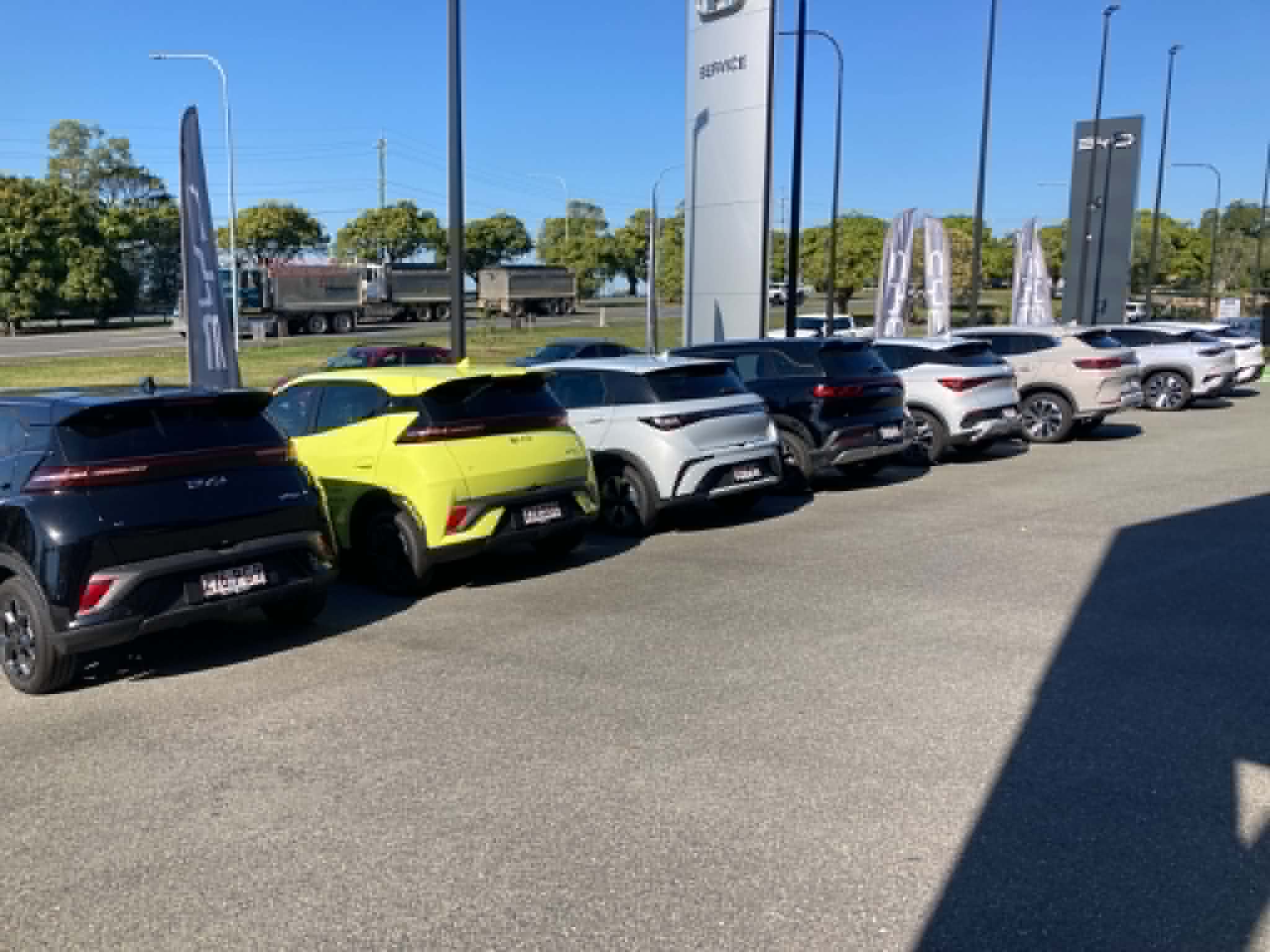
On arrival at the North Lakes BYD dealership, we found ourselves in awe at the range of cars. Not just the Attos and the Seals, but also the Sealions. BYD has the Sealion 5, 6, 7, and 8 for sale in Australia. Sadly, the Sealion 7 is the only fully electric model. However, BYD markets the others as “Super Hybrids” due to the large size of their batteries and attendant range. A Shark 6 was quietly charging in the corner. Perhaps it is a little shy after being named Newscorp’s ute of the year. Thank you, Rupert.
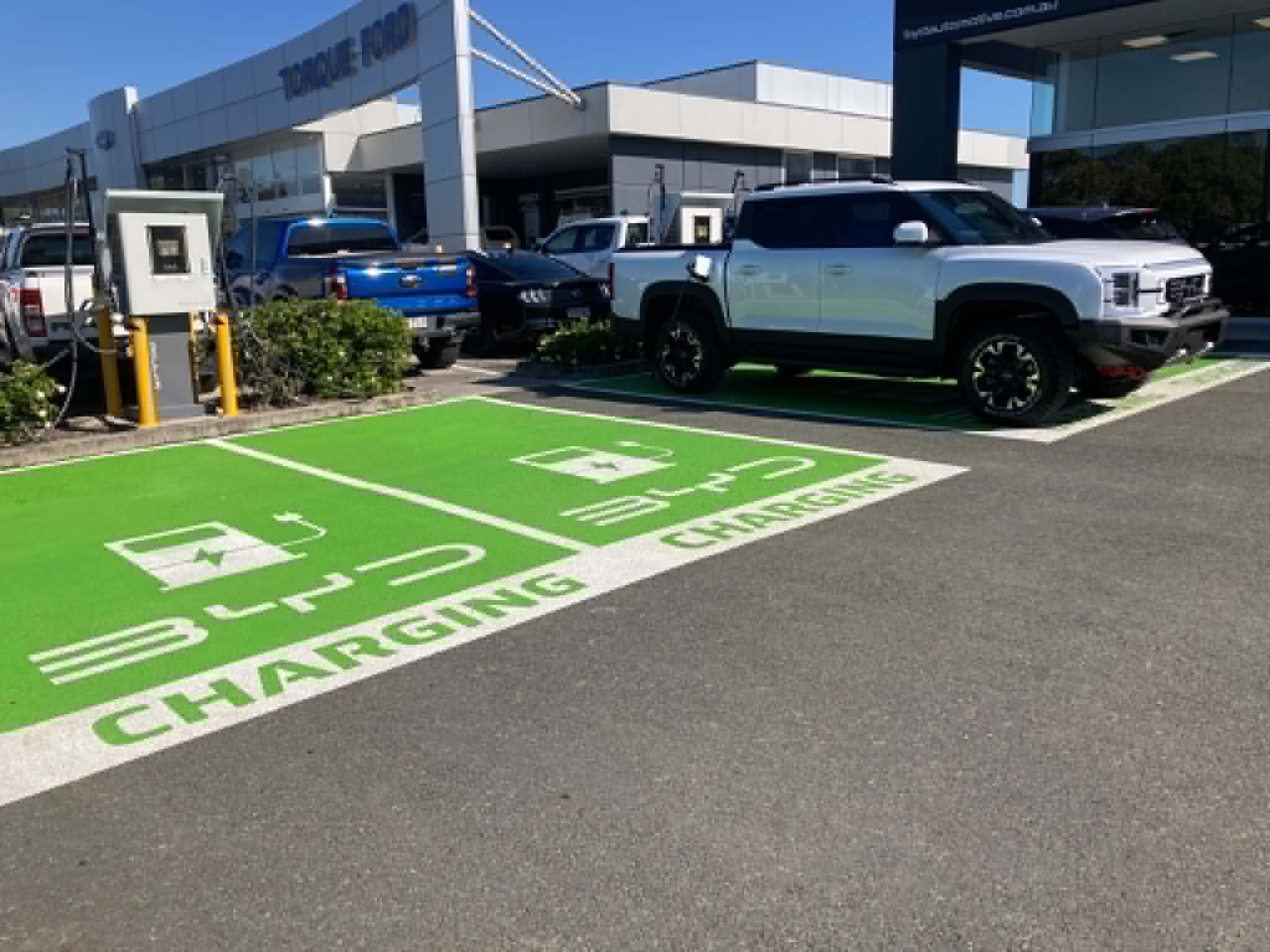
Did you know that a group of sealions on land is called a colony? When at sea it is called a raft. The colony will contain a breeding area called a rookery. The rookery may contain males with many females — yes, it’s a harem. But enough wordplay.
While I waited for a manager to be available to answer my questions, I observed a constant stream of customers checking out the BYD offerings. Note: this is after the EOFY sales. Most of those talking to salespeople were families. But all age groups were represented. In they came, off they went on a test drive. Majella did her usual thorough job of capturing the cars on film (bytes?) as I perused the brochures supplied to me by the staff. We also got a free coffee! And bikkies.
The Sealion 5 PHEV, cheapest of the group, starts at AU$34,000, with a 12.9 kWh battery giving it an all-electric range of about 70 km. The Sealion 6 PHEV starts at AU$43,000, with an 18.3 kWh battery achieving an all-electric range of 81 km. The Sealion 8 is a seven-seat luxury PHEV, starting at AU$57,000, with the 19-kWh battery providing just over 100 km of pure electric range. All prices and ranges quoted are for the base models, of course. Upgrade options are available. Check out more details here.
The Sealion 7 is an outstanding sales success in Australia for BYD — 12,516 were delivered in the first half of 2026. The Sealion 6 has sold 2,218, and the Sealion 8, just recently launched, sold 1,961 in June alone. The Sealion 5 is awaiting launch. Despite the competitive pricing and luxury appointments of the Sealion 8, Majella declared that she still prefers the Tesla Model Y. She enjoyed the massage in the Sealion 8 and the sound from the 24 speakers. The car will massage you for up to 20 minutes while you are driving. The car certainly had more specs than the Sealion 7.
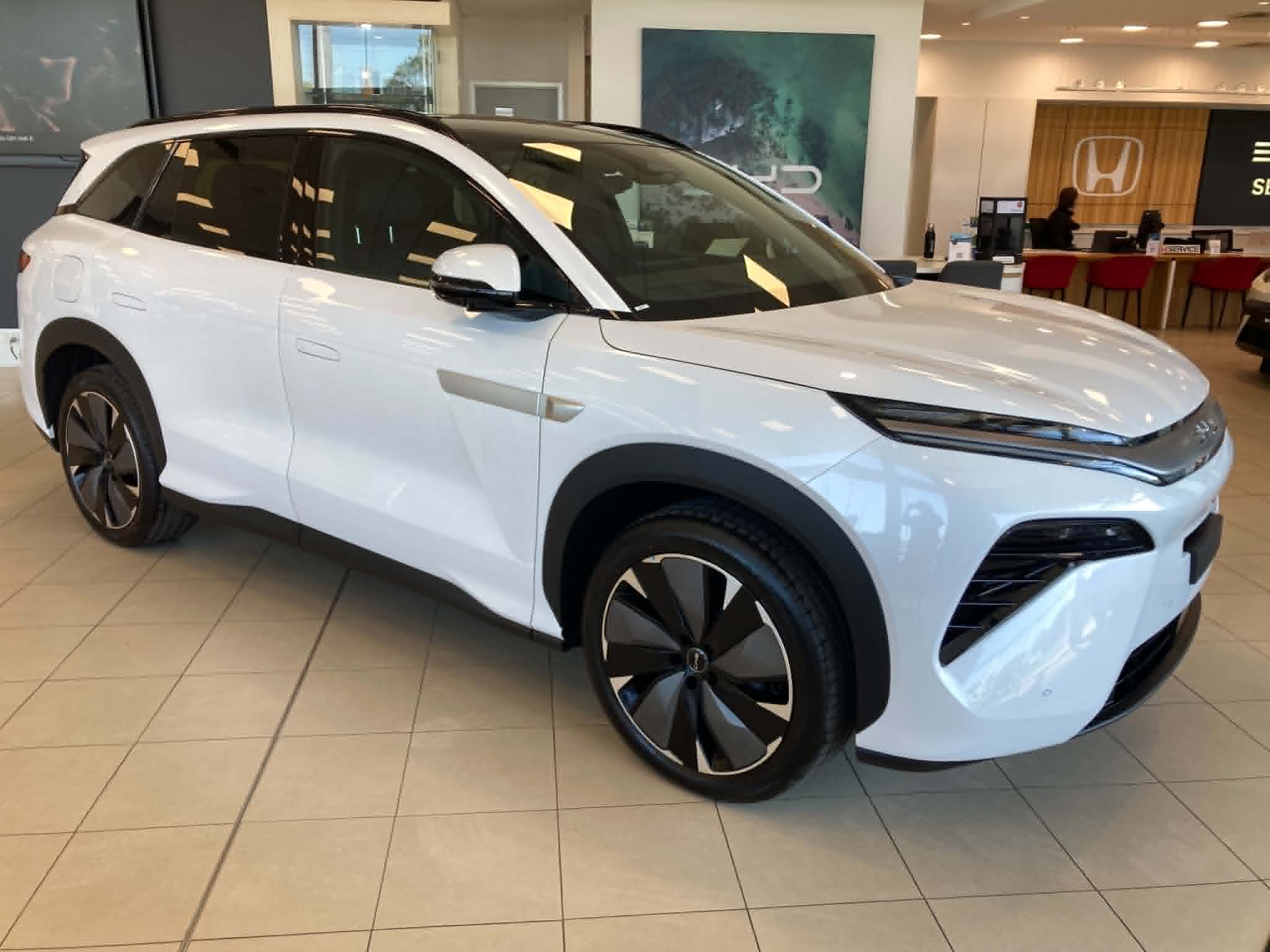
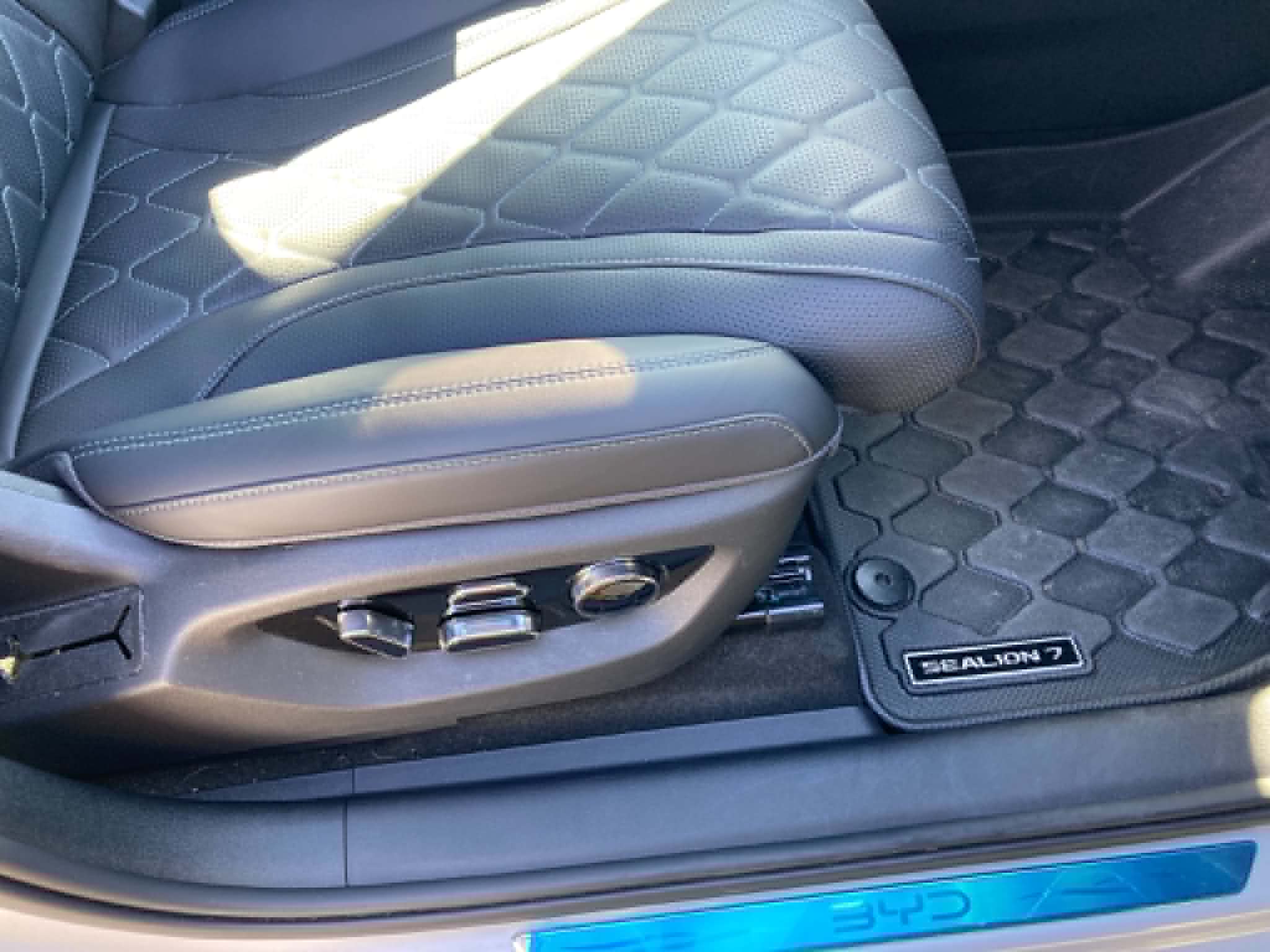
She spent time with the Sealion 7 BEV and found it spacious, with plenty of room in the boot and the back seat (big enough to fit the average Aussie bloke). The driver’s seat came with an extendable leg support and lumbar support, allowing the driver to relax on long drives. The Sealion 7 is serviced once a year — or at 20,000 km — at a cost of around AU$300 to AU$400 depending on the mileage. Over-the-air updates are available. The dashboard of the Sealion 7 seemed cluttered, with too many buttons and knobs. Although, some may prefer this to the spartan dash of the Tesla.
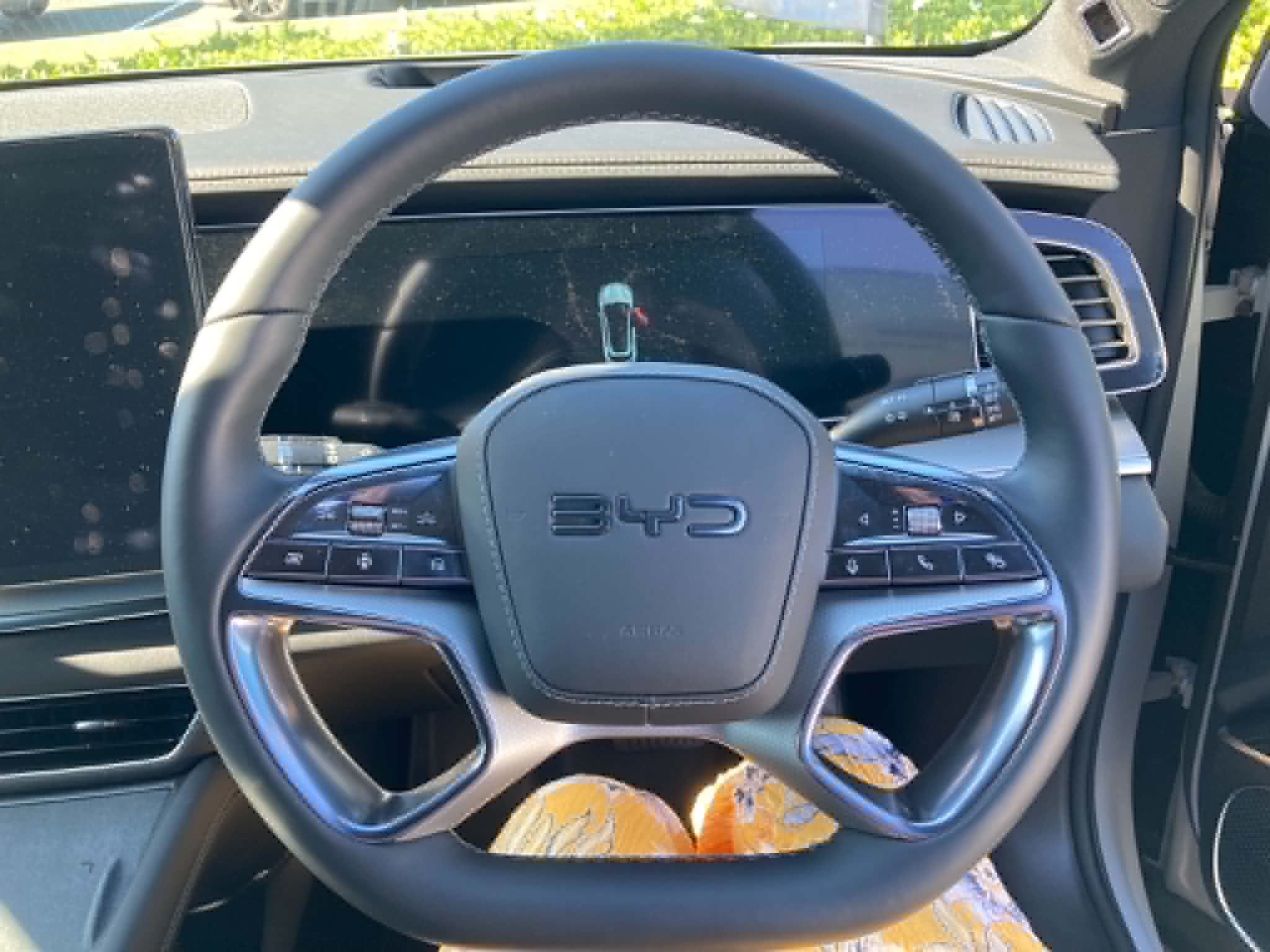
The Which Car? website gives a good side-by-side comparison of the Sealion 7 and the Tesla Model Y. Here is a rough summary: Although the BYD Sealion 7 is slightly cheaper than the Tesla Model Y, it has more expensive servicing. BYD offers a better warranty on the vehicle itself. Only a few centimetres differentiate the dimensions of the two vehicles. The Tesla Model Y provides more interior space efficiency, with almost a thousand litres of luggage space compared to the Sealion 7’s 558L. The Tesla is 0.8 seconds faster to 100 km/h, perhaps because it is lighter due to a smaller battery — 62.5 kWh vs. the BYD’s 82.56. The BYD has Vehicle to Load (V2L) capability, a 360-degree camera, and a Heads Up Display (HUD). The Tesla charges faster, while the BYD has a slightly longer range (466 km for the Tesla vs. 482 km for the BYD).
As for the drive, Which Car? provides more: “the Sealion 7 doesn’t have the same dynamic cohesion as the Tesla.”
After his meeting, the manager joined us and was able to answer some of the questions I posed. I asked what people were cross shopping, and why a Sealion 7 and not a Model Y. He said that people didn’t mention this information. Majella asked about one-pedal driving. He said, “thankfully,” it wasn’t in the BYDs in Australia. He clarified by saying that he is a person who likes to drive his cars — a Dolphin and a Landcruiser.
He generously shared his own EV driving experience with us. His BYD Dolphin is the first car he has had with cruise control. He is not a big fan of driver assistance technology. “I like to drive.” His other car is a diesel ute. “I’ll never give up my Cruiser.” However, he is looking forward to the longer range offered by BYD’s Blade 2 battery, which is due in Australia soon.
He was able to confirm that demand for BYDs was increasing slowly. We looked into the crystal ball: “Do you think we are headed for an all-electric future?” I enquired. “No,” he replied, “Australia just doesn’t have the infrastructure.” He is planning a 300 km trip down to NSW in the near future and wasn’t sure how the charging was placed — we assured him that there was plenty. We should have shown him PlugShare.
As we were leaving, he shared the story of his visiting auntie from the USA. After a drive in the Dolphin, she declared she was going home to the USA to start a movement to get BYDs into the states. And this tasty morsel: the Dolphin is saving him AU$250 a week on diesel — more than enough to cover his payments (he has a long commute).
We welcome the colonies of Sealions rafting their way to Australia and wish BYD well in their provision of electric driving. Once again, Australia’s driving future is bright and electric.
Sign up for CleanTechnica’s Weekly Substack for Zach and Scott’s in-depth analyses and high level summaries, sign up for our daily newsletter, and follow us on Google News!
Have a tip for CleanTechnica? Want to advertise? Want to suggest a guest for our CleanTech Talk podcast? Contact us here.
Sign up for our daily newsletter for 15 new cleantech stories a day. Or sign up for our weekly one on top stories of the week if daily is too frequent.


CleanTechnica uses affiliate links. See our policy here.
CleanTechnica’s Comment Policy