

Support CleanTechnica’s work through a Substack subscription or on Stripe.
Floating solar PV power has become more and more popular. It was quite niche for several years, but it is getting more or less “mainstream.” As it has gotten bigger and bigger, innovative designs for certain climates and geographies have been getting developed.
I recently wrote about floating solar PV designed for cold climates. Now we have news of floating solar PV designed for extreme waves. Funny enough, like the vertical solar PV I just wrote about, the company behind this specialized floating solar PV design comes from Norway.
Fred. Olsen 1848 is the Norwegian company, and its “Brizo” system just earned verification from DNV. “The verification confirms the technical robustness of BRIZO and represents a significant milestone in the technology’s development, according to DNV-RP-0584. This is an important validation of the solution’s readiness for project deployment,” the company writes.
“The independent technical review conducted by DNV covered a wide range of aspects of the technology, including design methodologies, hydrodynamic load assessment based on physical model testing, structural behaviour, and testing procedures. Drawing on recognised industry frameworks, the assessment provides an important technical foundation for the continued maturation of the technology.”
So, expect to see some pilot projects pop up before long.
“The successful review also supports the BRIZO bankability and commercial deployment at scale. Independent third-party validation is an important element in reducing technology risk and building confidence among project developers, investors, lenders, and other stakeholders as floating solar projects move from demonstration to commercial implementation.” Again, get ready for announcements of pilot projects.
Do we really need floating solar PV that can withstand huge waves? Well, while I assume there’s plenty of water bodies and areas where that’s not needed, this would certainly expand the opportunities for viable projects. In certain countries or regions, this could be important. A DNV executive echoes these same points:
“Floating solar is entering a new phase of maturity, where the industry must move beyond sheltered waters to unlock meaningful scale,” says Prajeev Rasiah, Senior Vice President and Regional Director for Northern Europe, Energy Systems at DNV. “Technologies capable of operating in more exposed environments could significantly expand the addressable market for FPV, particularly in regions facing land constraints, competing land use, or growing pressure on grid infrastructure. Independent technical assurance is essential to demonstrating that these systems can withstand demanding environmental conditions over their full operational lifetime and give developers and investors confidence as the market evolves.”
Or perhaps I’m echoing him, since he spoke first, but either way, we’re thinking similarly.
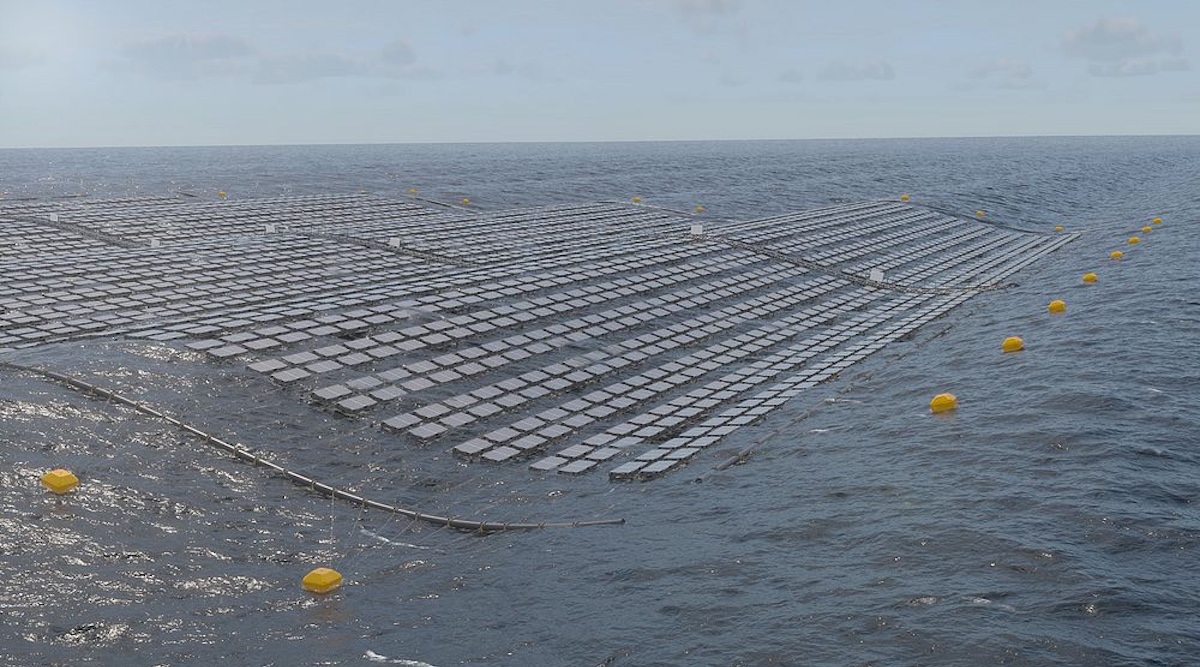
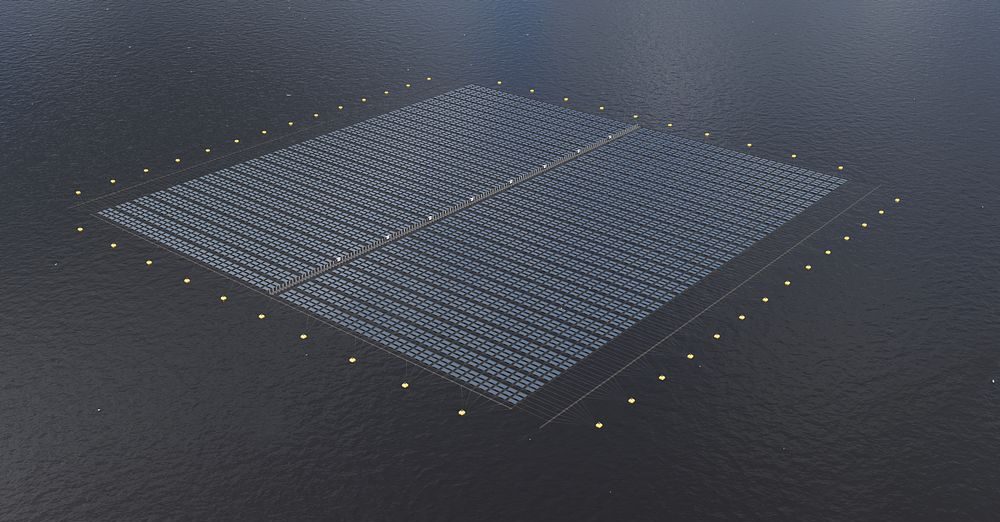
“BRIZO has been specifically designed to operate in more exposed conditions than conventional floating solar systems. By utilising a flexible rope-mesh and tensioning system, the technology is engineered to manage waves up to 3,5 m HS, making it suitable for wave-prone inland and nearshore environments,” Fred. Olsen 1848 states. (Yes, this has got to be one of the strangest company names I’ve ever reported on.)
“Floating solar has traditionally been limited to calm and sheltered waters, constraining the market’s growth potential. By enabling deployment in more challenging environments, BRIZO supports the development of an emerging floating solar market in nearshore and wave-prone inland water bodies, helping to unlock new areas for renewable energy generation.”
Indeed.
Images courtesy of Fred. Olsen 1848
Sign up for CleanTechnica’s Weekly Substack for Zach and Scott’s in-depth analyses and high level summaries, sign up for our daily newsletter, and follow us on Google News!
Have a tip for CleanTechnica? Want to advertise? Want to suggest a guest for our CleanTech Talk podcast? Contact us here.
Sign up for our daily newsletter for 15 new cleantech stories a day. Or sign up for our weekly one on top stories of the week if daily is too frequent.


CleanTechnica uses affiliate links. See our policy here.
CleanTechnica’s Comment Policy