


Support CleanTechnica’s work through a Substack subscription, on Patreon, or on Stripe. Help us produce all of the high-quality, original content we publish week after week despite the challenges of content-scraping AI, antisocial media, inflation, and other hurdles.
In the light of recent announcements, CleanTechnica readers may like to revisit the analysis and predictions made by Dr Paul Wildman and myself about incumbent Western automakers (and, yes, we include the Japanese in that also). You can read and/or reread about Toyota circling the drain here, about the loss of the Western automotive industry here, and about the loss of the ICE mojo here.
Which recent announcements, you ask? How about Toyota’s global CEO, Koji Sato, announcing to the Japanese auto supplier network that unless they improve productivity and efficiency, “we will not survive.” He called for major changes and simplification. “I want everyone to acknowledge this sense of crisis. Right now, we in the automotive industry are battling for our very survival. A difficult battle lies ahead. We must work together as one and strengthen our ability to prevail.” Paul aptly comments: “They brought this on themselves, now they blame their suppliers, what bs.”
Ironically, Mr Sato suggests that part of the answer is to forgo an EV-only approach and stick with the “multi-pathway” of drivetrains. Closer examination would show him that it is precisely Chinese plug-in vehicles that are stealing Toyota’s market share. In Australia, BYD is now the second highest supplier of cars to the market. By 2030, it expects to outsell Toyota. Sato blames inefficiency and slow deliveries.
An example of the streamlining needed from the suppliers to the Japanese car industry is quoted by Sato: “Suppliers currently produce 70,000 different variants of wiring harnesses alone.” Certainly, cutting that number would increase efficiency and profits. But we believe that Toyota is looking at the wrong items and is being wilfully blind to the electric transition. Toyota engineered this system. Kaizen is no longer fit for purpose.
CleanTechnica reported this week that the Volkswagen board voted down their CEO’s radical plan to cut factories and jobs. Read the details here. Will Oliver Blume go the same way as Carlos Ghosn and Herbert Diess? Volkswagen is producing more cars than it can sell even though production figures have come down 25% in the last few years, and profit margins are being squeezed. The problem appears to be that VW is building cars that people do not want to buy. Changing the captain of the ship may not help.

If this is happening to the two largest car manufacturers in the world, heaven help the smaller fish.
What about the tariffs? Though they appear to be making a difference in the USA (although the Chinese just seem to be waiting for their opportunity), they are not working in the EU, as evidenced by a set of graphs appearing in CleanTechnica this week as well. Thanks, Zach, for sharing these. How’s that for hard data!
Then, this morning a great piece appeared in my newsfeed written by a history professor at La Trobe University in Melbourne. For those just tuning in, it is a great summary of the journey so far. The title is provocative: “The car industry bloodbath: How China’s global EV domination has crushed the world’s biggest brands — and changed Australian roads forever.” The same article could have been written in the ’70s when Australian roads became dominated by affordable, dependable Japanese cars, and again in the ’90s when it was the turn of the South Koreans to shine. We have seen this movie before, and we know how it turns out.
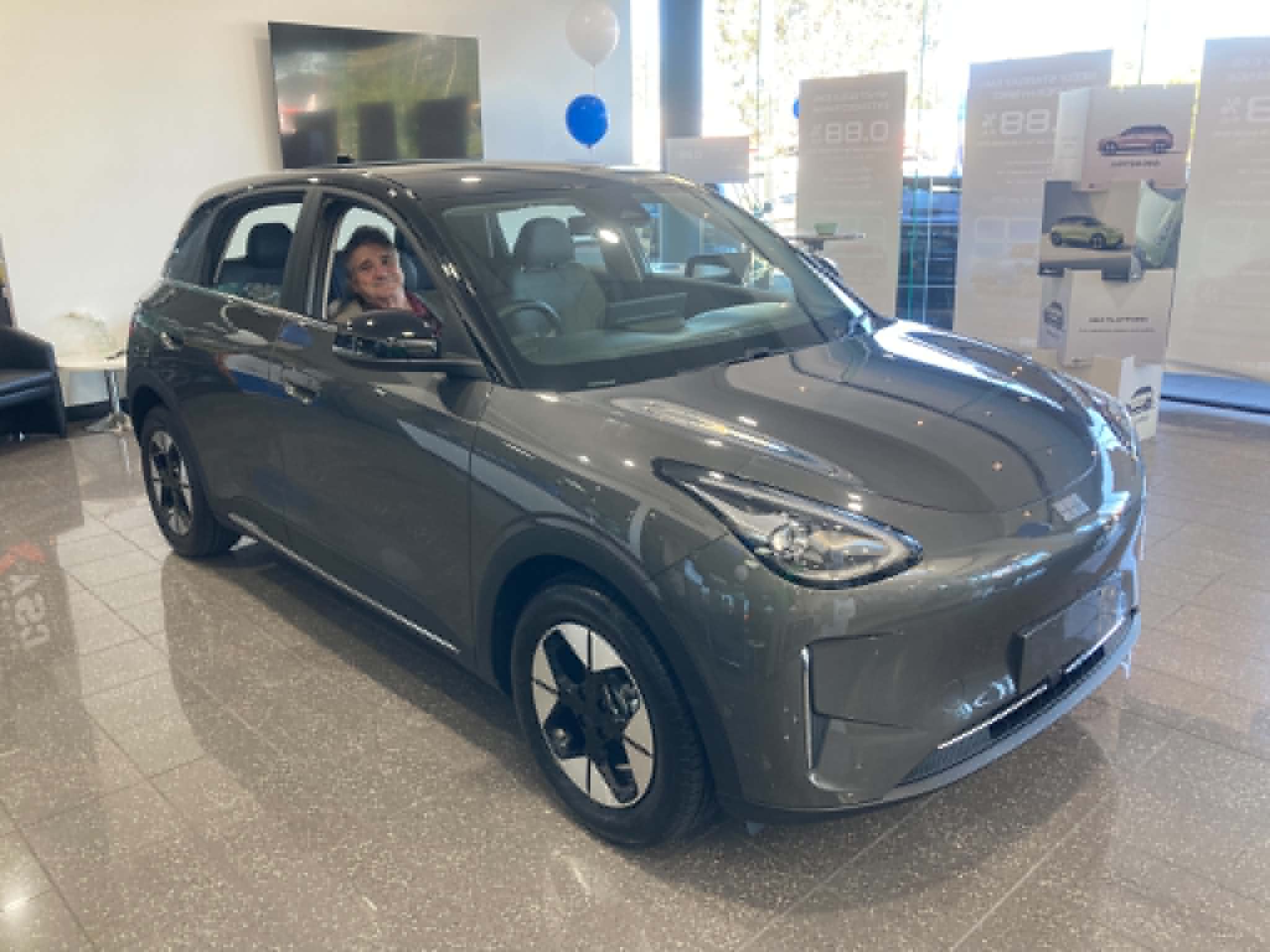
This article was reposted on Facebook and elicited the usual comments. Though, the number of pro-EV armchair warriors has certainly increased. Some caveats hold true — like the concern over second-hand resale values, the longevity of some of the smaller Chinese brands, and issues around spare parts. However, many spoke glowingly of the quality and high level of tech in their Chinese cars. “The Chinese are building the best value, highest quality vehicles available; in the next 5–10 years, every Australian will be driving a Chinese built vehicle.” Thanks, John. My favourite comment was: “Temu cars.”
Can BYD (along with other Chinese car manufacturers) thrive despite being excluded from the US market? Certainly looks like it. “We survive and are successful without the US market today,” BYD executive vice president Stella Li told the BBC at the Beijing Auto Show. Instead of aiming for US customers, the company says its challenge is meeting increased demand in other regions, including Brazil, the UK, and Europe. “Consumers feel the daily savings when oil prices increase. EVs help them save money every day,” Li said. “Actually, we are now suffering [insufficient] capacity. Our demand is much higher than what we can supply.”
“BYD’s strategy to dominate the global car industry bypasses the heavily protected US market entirely. Executives confirm they can surpass Toyota as the world’s bestselling automaker using explosive growth in markets like Europe, Latin America, and Southeast Asia.” Paul expects this much sooner — end of next year possibly!
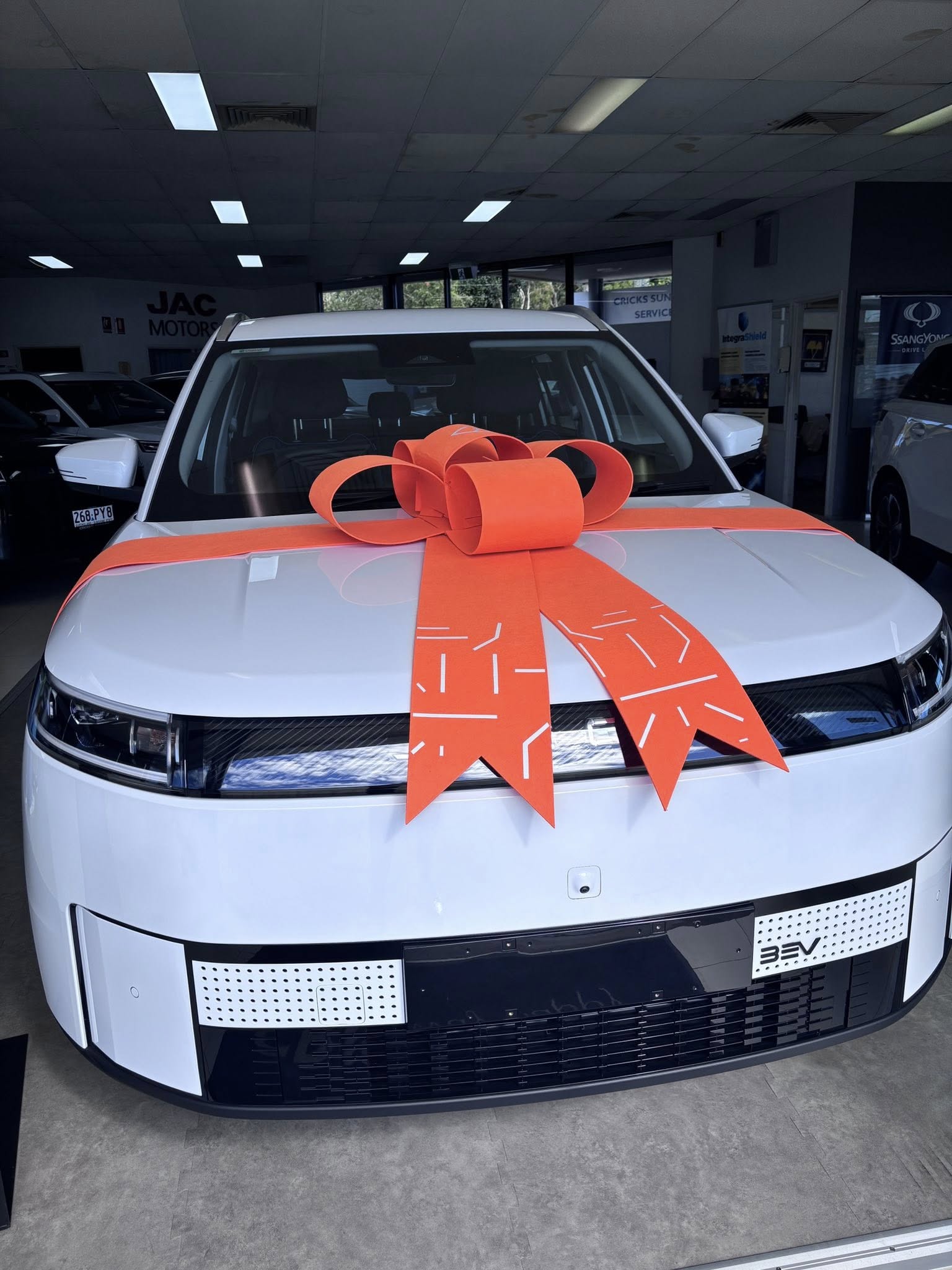
Under a previous article, Larry Evans neatly summarised the issue that underpins the West’s decline: “The West needs to see the value in engineers. It needs to educate more students to qualify for engineering programs, get them into engineering programs and get them to complete their degrees. It needs more immigration of engineering talent. Then it needs to put them to work.” Automakers need to start appreciating engineering as better solution, rather than seeing the engineering department as a cost centre to cut. If a company does not have the engineering talent internally, then they need to collaborate with companies that do.
“Western automakers do not need more accountant solutions (promoting financialization) to squeeze profits out of existing operations. They do not need more lawyer/lobbyist solutions, trying to manipulate the system in their favour. Until that happens, the West will keep falling behind.” Paul adds: “Western automakers need more and better engineering solutions. And more than this, the West needs a different MODE of manufacturing just like the Kaizen revolution in the ’80s in Japan, we need manufacturing ecology in one place (suppliers), instant customer manufacturer feedback and action, and rapid innovation cycles. This is far more than engineering. Innovation was designed OUT by Western automakers because they didn’t strategise/design/build it in.”
We are certainly seeing this scenario of Chinese dominance play out in real time on Australian roads, and in supermarket carparks. When we shop, we see more Chinese EVs every week. The same will be happening in the EU and the “Rest of the World” (ROW). The future, as ever, is bright and electric for those who can see, believe, and respond.
Sign up for CleanTechnica’s Weekly Substack for Zach and Scott’s in-depth analyses and high level summaries, sign up for our daily newsletter, and follow us on Google News!
Have a tip for CleanTechnica? Want to advertise? Want to suggest a guest for our CleanTech Talk podcast? Contact us here.
Sign up for our daily newsletter for 15 new cleantech stories a day. Or sign up for our weekly one on top stories of the week if daily is too frequent.


CleanTechnica uses affiliate links. See our policy here.
CleanTechnica’s Comment Policy