

Support CleanTechnica’s work through a Substack subscription, on Patreon, or on Stripe. Help us produce all of the high-quality, original content we publish week after week despite the challenges of content-scraping AI, antisocial media, inflation, and other hurdles.
With Waymo news this week, we’ve got “The Good, The Bad, and The Ugly.”
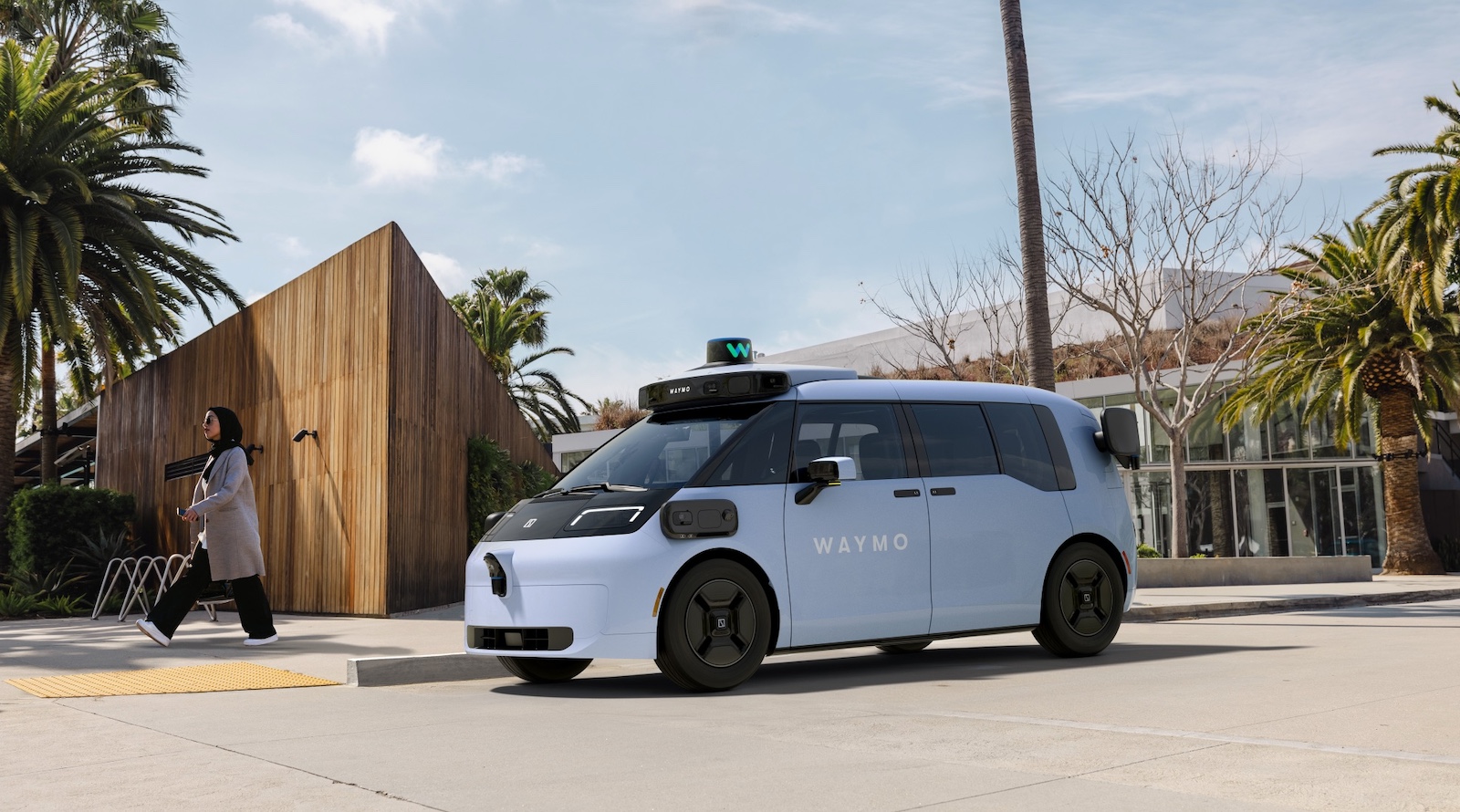
First of all, the good: Waymo is now testing its Zeekr/Ojai robotaxi van thing in Pittsburgh, Pennsylvania. Hey, it’s a Chinese EV in the USA! Personally, I love the design of this thing, and I assume it much be much more affordable than the Jaguar I-PACE electric SUVs the company has been using for years, and more practical for robotaxi service. “Waymo was cleared in March to test autonomously with a licensed specialist behind the wheel, but has still been testing with manual drivers,” Axios reports.
Also Good News
“Waymo vehicles were involved in 68% fewer ‘police-reportable crashes’ per mile traveled than human drivers in four cities where the company operates, according to new research from the Insurance Institute for Highway Safety.” Sounds good, but no surprise.

The Bad
Waymo has apparently been racking up thousands of dollars of fines in Austin for illegal parking. Whoops. Apparently that’s something Waymo needs to work into its intelligence somehow. According to the Wall Street Journal, the company’s parking fines in Austin since Waymo’s launch there in 2024 now total $9,325.
The Ugly
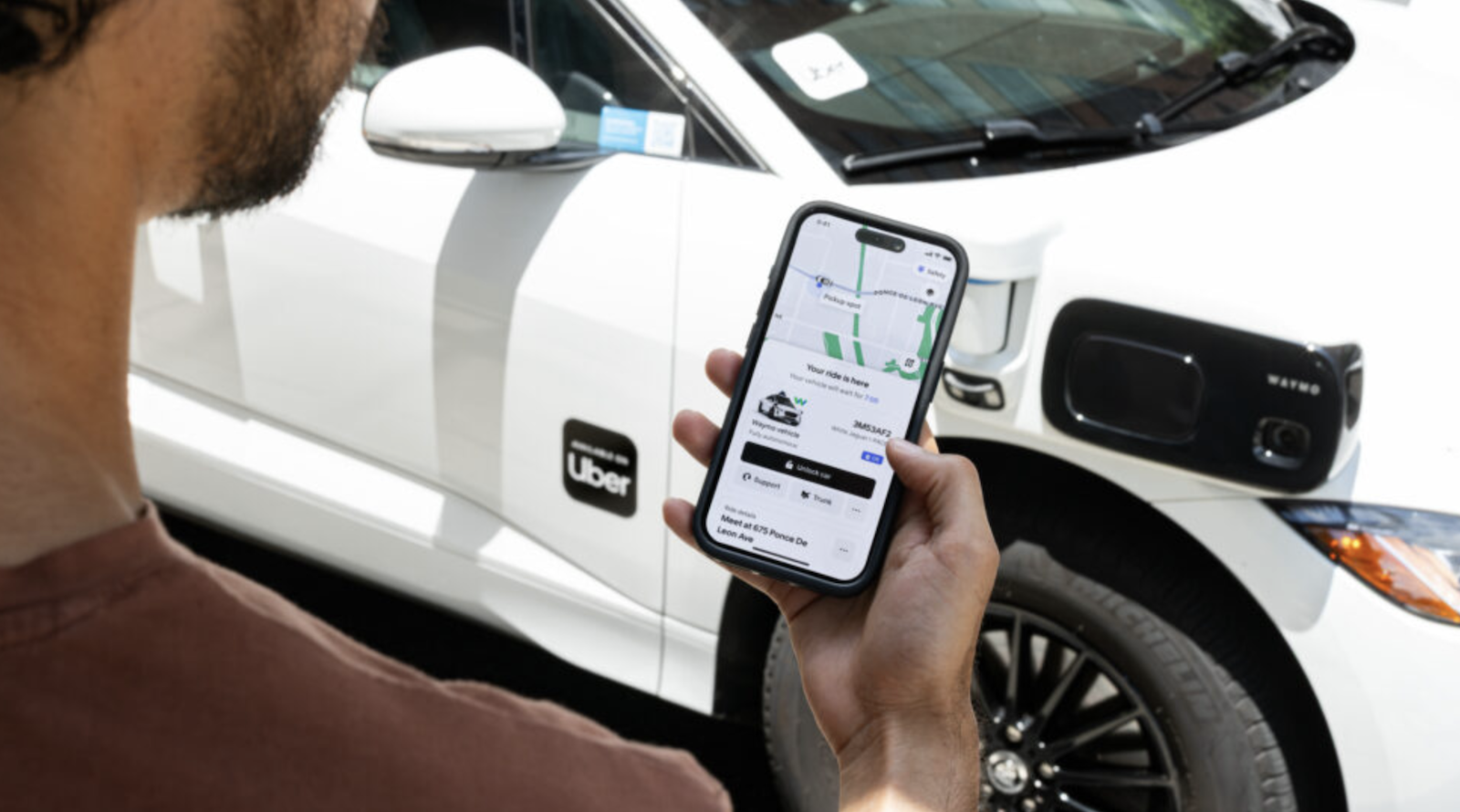
Waymo and Uber are apparently going through a bit of a divorce. Here’s how one headline summarizes it: “Waymo and Uber Are Breaking Up Again, and This Time It’s About Who Vacuums the Back Seat.” Huh?
“Nine years ago, Waymo dragged Uber into federal court and accused it of stealing the blueprints for its self-driving program. Uber settled for $245 million in stock rather than let a jury decide. Six years after that, the two companies went into business together anyway, putting Waymo’s robotaxis inside the Uber app in Phoenix. Now, according to a Financial Times report, Waymo is quietly discussing whether to walk away from Uber again — this time in Austin and Atlanta, the two markets where the partnership actually grew,” The Auto Wire writes.
“The headline version of this story is corporate soap opera: two old rivals drifting apart, again. The real story is more useful than that, and more revealing about what a robotaxi business actually is. Waymo and Uber aren’t splitting over stolen code this time. They’re splitting because a self-driving car company and a ride-hailing marketplace turned out to be running two fundamentally different businesses that only looked the same from the outside.”
Hmm….
I wondered back when they partnered up if Waymo would really expand through Uber, or if it was just using Uber as a stepping stone to get into new markets quickly and have decent ridership numbers. Perhaps the latter was the plan, as Waymo is reportedly going to launch its own service in Atlanta and Austin in January 2028 — as soon as it’s allowed to do so — rather than continuing its partnership with Uber.
As with most divorces, though, it is getting a bit messy. Waymo is apparently unhappy with how well Uber is cleaning its vehicles as well as vehicle routing. Uber’s got complaints about financial terms and the fact that Waymo vehicles apparently can’t handle some bad weather and just go offline. (Naturally, more people want rides when the weather is crappy.)
“In May, a group of Waymo vehicles blocked an entire cul-de-sac in Atlanta, a routing failure that sources say belonged to Uber’s dispatch, not Waymo’s driving software.” Hmm… “That single incident says more about this breakup than either company’s official statement. Waymo builds the driving software. Uber, through its fleet partner Avomo, has been handling where the cars go between rides, when they get cleaned, and how they get staged for the next pickup. When a dozen robotaxis pile into a dead end street, that isn’t evidence the self-driving system failed. It’s evidence that nobody was managing the fleet the way an operator needs to.
“That distinction — driving versus operating — is the whole story.”
Sign up for CleanTechnica’s Weekly Substack for Zach and Scott’s in-depth analyses and high level summaries, sign up for our daily newsletter, and follow us on Google News!
Have a tip for CleanTechnica? Want to advertise? Want to suggest a guest for our CleanTech Talk podcast? Contact us here.
Sign up for our daily newsletter for 15 new cleantech stories a day. Or sign up for our weekly one on top stories of the week if daily is too frequent.


CleanTechnica uses affiliate links. See our policy here.
CleanTechnica’s Comment Policy