
NLR-NRRI Partnership Advances Industry-Scale Innovation and Process Demonstration


Support CleanTechnica’s work through a Substack subscription, on Patreon, or on Stripe. Help us produce all of the high-quality, original content we publish week after week despite the challenges of content-scraping AI, antisocial media, inflation, and other hurdles.
By Lindsey McGuirk and Brooke Van Zandt
The National Laboratory of the Rockies (NLR) and the University of Minnesota’s Natural Resources Research Institute (NRRI) have launched a new initiative to demonstrate, at scale, the technologies that will secure supply chains for critical minerals and materials and power the next generation of U.S. industry and manufacturing.
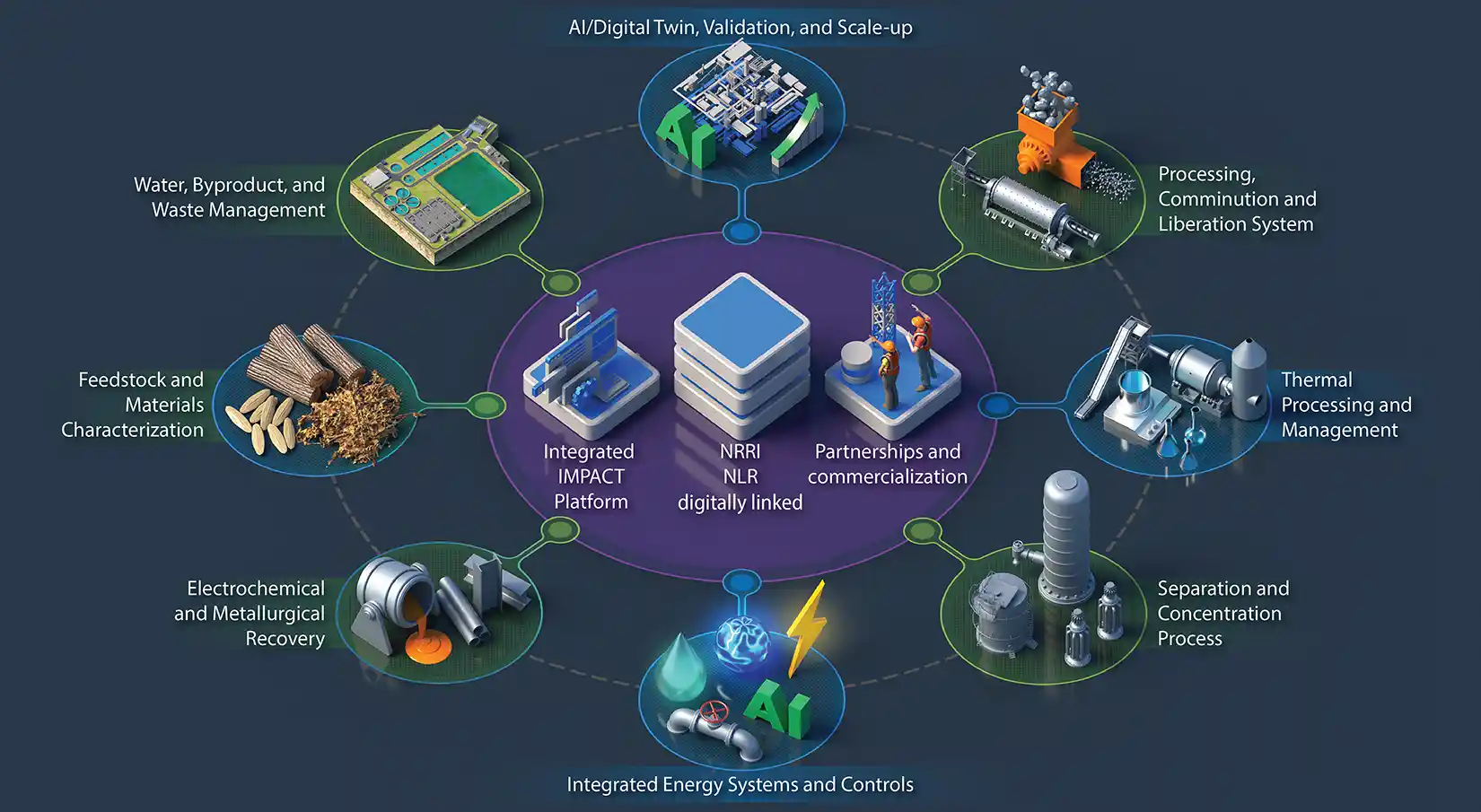
The Joint Research Alliance for Innovative Materials and Processing for Advanced Critical Technologies (JRA-IMPACT, or “IMPACT”) is a translational proving ground for industry-scale innovation and process demonstration.
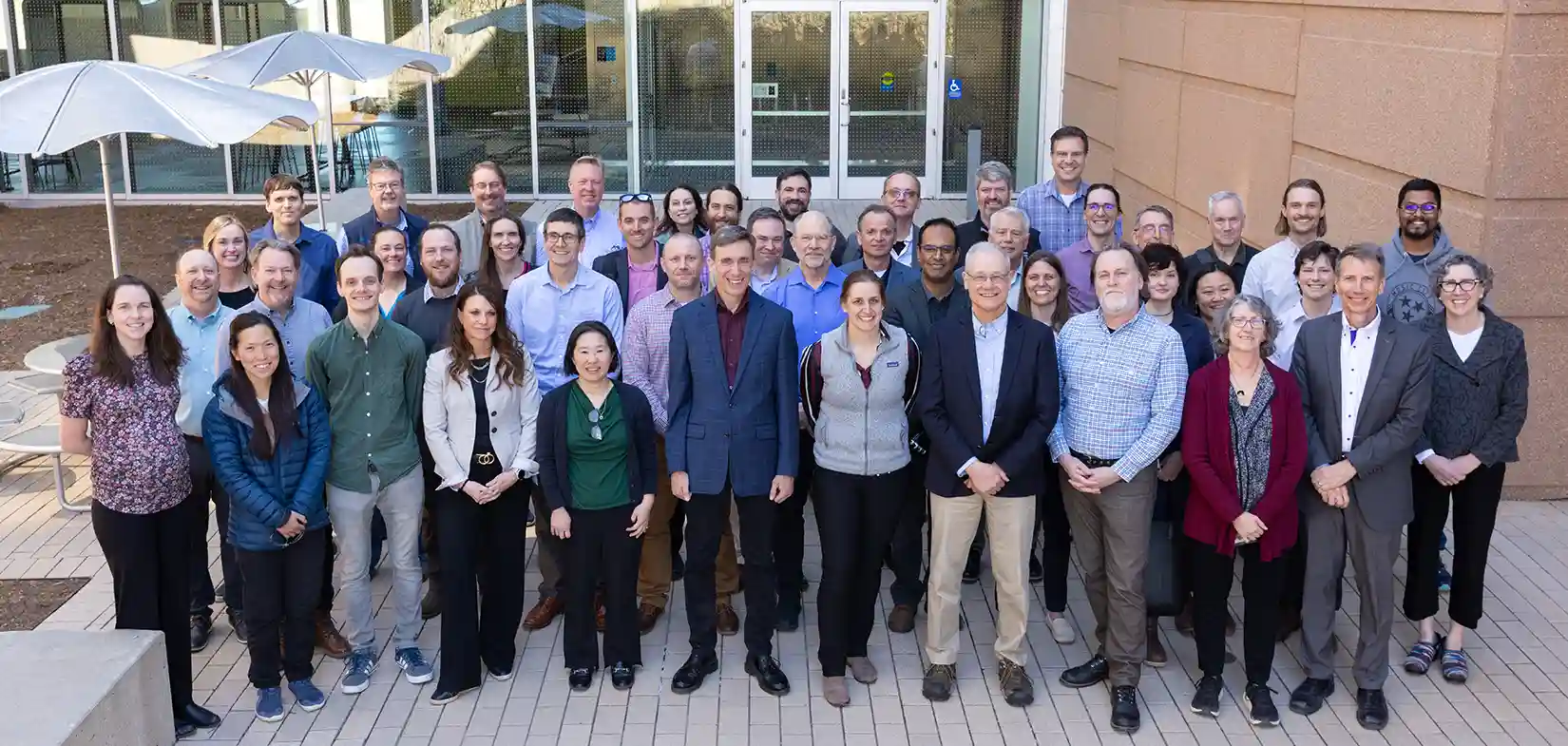
“IMPACT is an exciting next chapter in the long standing collaboration between NLR and NRRI to strengthen the nation’s energy and materials leadership,” said John Farrell, NLR’s associate laboratory director for Energy Security and Systems Innovation. “Together, we’re building on years of successful collaboration to seamlessly support resilient domestic supply chains, regional economic strength, and responsible resource innovation.”
NRRI and NLR offer complementary expertise, facilities, and access to key resources, creating an opportunity to bridge natural resources, energy, and advanced materials in ways that no single institution can achieve alone. The alliance’s scope of expertise, capabilities, and assets helps industry advance across technology readiness levels (TRLs) and shorten the transition through the “valley of death,” the gap where promising discoveries fail to become viable products due to scale-up challenges and real-world deployment complexities.
“NRRI is uniquely positioned within the University of Minnesota as its applied research institute, established to deliver integrated research solutions that advance natural resource stewardship, economic resilience, and industrial innovation,” said Rolf Weberg, NRRI’s executive director. “Pairing NRRI’s modular, adaptive facilities with NLR’s research infrastructure amplifies our collective impact.”
Combining Strengths To Build Momentum
IMPACT combines NLR’s experimental platforms, high-performance computer modeling, and AI expertise with NRRI’s lab-to-pilot-scale facilities to accelerate discovery, demonstration, and deployment.
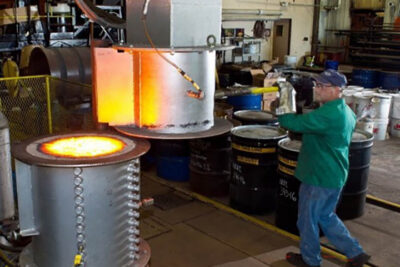
With complementary capabilities, NLR and NRRI are able to work together from bench to micro-pilot scales (1 kg–10 kg, or less than 1-ton-per-hour throughput) to industrial-scale rate of 5–10 tons per hour. Experimenting with minerals at the smaller scale is practical for researchers to explore behaviors and interactions up close, find potential flaws, and solve fundamental yield and efficiency challenges. But once a promising processing flowsheet is identified, the private sector needs to know it can be produced in mass quantities. IMPACT is able to bridge TRLs 1 through 9 using natural resources (including real ore, biomass, and tailings) in a U.S. Department of Energy (DOE)-collaborative, demonstration-scale environment.
Directing IMPACT efforts at NLR is Jennifer King, who brings not only research expertise to this leadership role but also a personal appreciation for the impacts that mining and manufacturing technologies can have on people. King’s grandfather worked for a mining company, and her mother was raised on the Iron Range in Northern Minnesota. She still has her grandfather’s white hard hat with green lettering perched above her desk in Minnesota.
“This IMPACT work is a bright spot for me,” King said. “Working with staff across institutions in IMPACT alongside regional partners to have a literal impact is what motivates me every day.” King also noted the strategic benefits to the NLR-NRRI alliance, “where we can go from a nugget of an idea to scale for commercialization across industrial systems.”
Work Is Already Underway
On the heels of the IMPACT launch, work is already underway at NLR. One key area of the partnership is advanced processes for metal recycling and recovery of critical minerals such as lithium, scandium, and copper.
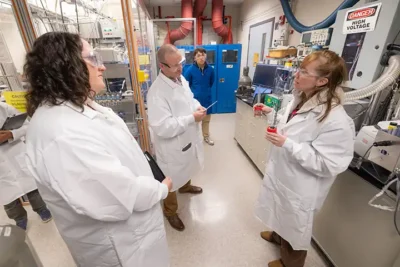
With the U.S. Department of War, one IMPACT project focuses on aluminum alloys in military aircrafts, which often contain 5% lithium or higher by weight. Conventional recycling technologies are unable to recover that lithium, leading to the need for more advanced scrap metal processes.
NLR is also leading DOE’s Industrial Technologies Office (ITO) Tramp Element Removal Innovation (TERI) Center of Excellence, leveraging IMPACT to demonstrate and de-risk tramp element removal technologies. Copper is one of the “tramp” (i.e., unwanted) metals found in the U.S. scrap metal inventory. It clings easily to other metals and can compromise their integrity, which poses a major challenge when recycling scrap metal into high-quality steel.
The domestic steel industry recycles millions of metric tons per year of steel cans, automobiles, appliances, construction materials, and other steel products. TERI will combine new and existing capabilities to demonstrate and de-risk de-copperization technologies, which are necessary to ensure that the United States can continue to make high-quality steel from its significant scrap resources while recovering critical minerals.
Learn more about IMPACT and other NLR critical minerals research collaborations.
Article from NLR.
Sign up for CleanTechnica’s Weekly Substack for Zach and Scott’s in-depth analyses and high level summaries, sign up for our daily newsletter, and follow us on Google News!
Have a tip for CleanTechnica? Want to advertise? Want to suggest a guest for our CleanTech Talk podcast? Contact us here.
Sign up for our daily newsletter for 15 new cleantech stories a day. Or sign up for our weekly one on top stories of the week if daily is too frequent.


CleanTechnica uses affiliate links. See our policy here.
CleanTechnica’s Comment Policy