
China’s Rare Earth Export Curbs Threaten Over 21,000 Jobs in India’s Audio Electronics Sector

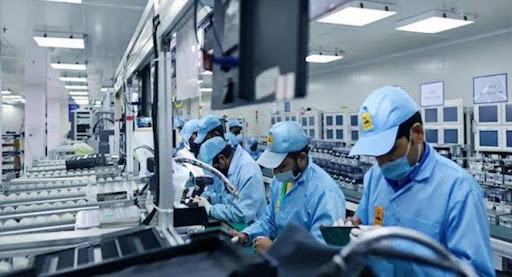
China’s recent move to tighten export controls on rare earth elements (REEs) like dysprosium and terbium is sending shockwaves through global electronics markets — with India’s audio electronics sector emerging as a major casualty. Industry insiders warn that the new curbs, implemented in April 2025, could place over 21,000 jobs at risk in India due to disruptions in raw material supply critical to speaker systems, headphones, and consumer audio devices.
What Are the Curbs?
Under the new regulations, China now requires stringent export licensing for key rare earths including dysprosium and terbium, which are essential for permanent magnets used in high-performance audio devices, EV motors, and defense systems. These measures are officially framed as part of resource conservation and national security, but many observers see them as a geopolitical maneuver amid increasing global tensions and competition over critical minerals.
Impact on India’s Electronics Sector
India’s audio electronics industry, a growing part of its consumer tech manufacturing ecosystem, relies heavily on rare earth imports — nearly 80% of which come from China. These REEs are vital for producing miniature, high-efficiency magnets found in microphones, tweeters, speakers, and wireless earphones.
Industry associations estimate that:
-
Over ₹2,000 crore worth of annual production could be affected.
-
More than 21,000 direct and indirect jobs, especially in small and medium enterprises (SMEs), are under threat.
-
Delays in production cycles and increased input costs could force some companies to relocate or scale down operations.
Supply Chain Disruptions & Price Surge
Following the curbs, global prices of dysprosium oxide and terbium oxide have already surged by 20-30%, making it difficult for smaller Indian manufacturers to stay competitive. In some cases, suppliers have halted new shipments, waiting for revised licenses or alternative shipping routes via third-party nations.
Government & Industry Response
India’s Ministry of Commerce and Ministry of Electronics are reportedly in talks to diversify sourcing, including exploring rare earth procurement from Vietnam, Australia, and African nations. Additionally, the government is accelerating exploration and development of domestic REE deposits under the Critical Minerals Strategy.
Industry leaders are urging:
-
Fast-track approvals for REE imports from non-Chinese sources.
-
Incentives for domestic magnet manufacturing and recycling.
-
Strategic stockpiling of key REEs to buffer against future shocks.
A Wake-Up Call for India
The rare earth curbs highlight India’s strategic vulnerability in critical material supply chains. Despite its strong capabilities in electronics assembly and design, the country lacks upstream control over rare earth extraction and processing. Experts believe this should serve as a catalyst for urgent investment in:
-
Local REE exploration and processing technologies.
-
Public-private partnerships to build refining and magnet-making capacity.
-
Research in rare earth recycling and alternatives.
As China weaponizes its rare earth dominance, countries like India must rethink their material dependencies. The threat to over 21,000 jobs in India’s audio electronics sector is not just an economic challenge, but a call to action — to build resilient, self-reliant supply chains and safeguard critical industries from geopolitical tremors.