
Centre Urges Court to Dismiss Plea Against Copper Import Restrictions, Cites National Economic Interest

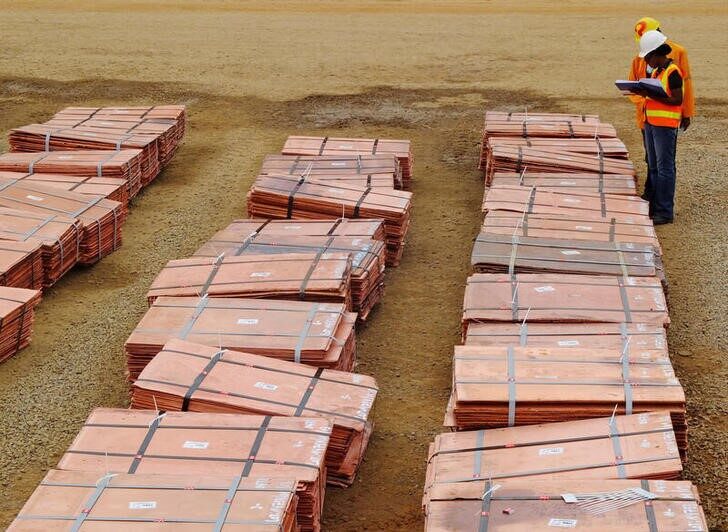
The Central Government has requested the judiciary to dismiss a legal challenge against its recent move to impose restrictions on copper imports, asserting that the decision was taken in the larger interest of national economic security and domestic industry protection. The plea, filed in the Madras High Court, contests the new licensing regime that places tighter controls on the import of refined copper products.
The Centre, through its affidavit, argued that such regulatory changes fall well within the government’s powers under the Foreign Trade (Development and Regulation) Act, 1992, and are in alignment with global trade practices and World Trade Organization (WTO) provisions.
Background: Why Copper Imports Were Curbed
The government, in its June 2025 notification, introduced a licensing requirement for copper imports, effectively moving them from the “free” to “restricted” category. This policy shift was seen as a protective measure following a surge in cheap imports—especially from certain Asian and Gulf nations—that allegedly undercut Indian producers and disrupted price stability in the domestic market.
The move came amid mounting pressure from the Indian non-ferrous metal industry, which had flagged excess inventory, shrinking margins, and unfair trade practices, especially after the closure of major domestic production units like Sterlite Copper.
Petitioner’s Argument
The petitioner, reportedly a large copper trading firm, claimed that the new restrictions create trade uncertainty, hurt import-dependent industries, and violate the principle of free trade and ease of doing business. They argued that the licensing process lacks transparency, and urged the court to strike down the policy as arbitrary and unconstitutional.
Centre’s Counter: Sovereign Right to Regulate Trade
In its response, the Centre maintained that the licensing measure is calibrated, legal, and in line with India’s trade obligations. It emphasized the following points:
-
The policy aims to protect domestic copper manufacturers from predatory pricing and unfair dumping.
-
Import licensing does not imply a ban, but introduces a controlled mechanism to ensure balanced trade.
-
The move helps monitor and prevent excessive dependence on foreign suppliers, crucial for strategic metals like copper.
-
The government retains sovereign authority to modify trade policy in national interest, especially to support manufacturing and self-reliance under the Atmanirbhar Bharat initiative.
Industry Divided
While some downstream industries have raised concerns over supply chain disruptions and increased procurement costs, domestic copper producers have welcomed the curbs as a lifeline for reviving capacity utilization and ensuring long-term sustainability of Indian metallurgy.
Trade analysts suggest that the policy could be temporary and subject to revision, depending on market dynamics, production revival, and global pricing trends.
What Happens Next?
The Madras High Court is expected to hear the matter further in the coming weeks, with broader implications for India’s import policy framework and judicial scrutiny over trade regulation.
This case also sets a precedent for how India manages the balance between open markets and industrial protectionism—particularly as global trade faces increasing uncertainty and strategic shifts.
The Centre’s firm stance reflects a strategic recalibration of trade policy, where economic self-reliance and domestic industry revival are taking precedence. As the legal battle over copper import restrictions unfolds, it will not only test the limits of government policy but also signal India’s evolving trade doctrine in a post-pandemic, geopolitically sensitive world.