


Support CleanTechnica’s work through a Substack subscription or on Stripe.
After the mixed reactions to trying to install electric vehicle chargers in strata title (condos), I thought it would be a good idea to share a positive story. This comes from Gary Buck, who is based in Melbourne, the capital of Victoria (1000 km south of Canberra). Gary is a member of AEVA, and this story was first published on the AEVA website. I have supplemented it with information gathered from email and phone conversations.
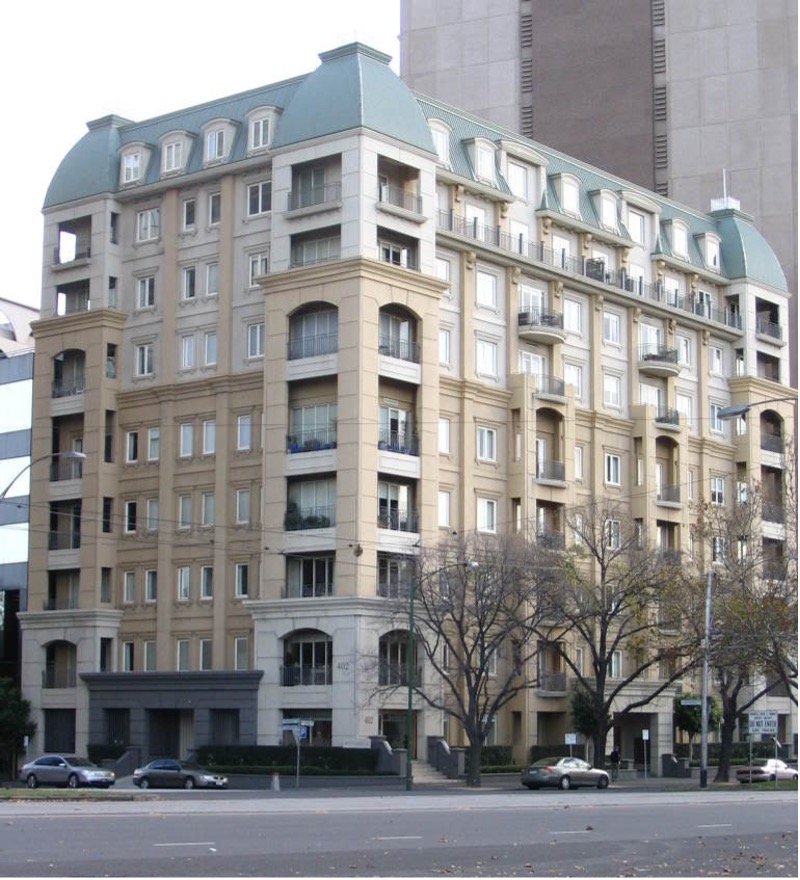
Gary Buck is the Chairman of his Owner Corporation (OC) of The Botanica in Melbourne’s St Kilda Rd. Gary talked to AEVA about the journey his OC went on to install EV Charging.
Gary lives in an older building in the midst of many new apartment towers. “We have plenty of charm”, he said, “but owners still want to have many of the modern features of those nearby buildings”. That included being “EV ready”.
Gary’s building has about 60 apartments over eight levels, and over 100 car bays over two basement levels. The car bays are on the owners’ titles. There are no spare or visitor bays.
In 2022 the OC had not had any requests for EV charging but “we wanted to be ahead of any demand, knowing that early adopters may have strong views on their preferred solution”. So, the OC surveyed owners and renters in the building.
Gary tells me: There was a fear that a “privileged Tesla owner” would buy in and demand infrastructure that the OC wouldn’t support. Ironically, there are no Tesla owners currently residing at The Botanica, but lots of petrol Porsches. This process allows the OC to get ahead of the curve and maintain control.
The result of the survey? About 20% of respondents expected to have an EV within two years and 50% said that they would never buy one. The main concerns expressed were around who pays and possible fire risks.
In a phone interview, Gary assured me that he was able to allay the fears of the people who did not own EVs. They didn’t feel that they should pay for another’s electricity. “There would be no free electricity. One apartment owner without an EV proposed that it should be free charging as an environmental service.” Gary told me he would rather pay than think himself a freeloader.
After talking to a few organisations, the OC engaged Jetcharge to prepare an options paper. It also initiated conversations with the building’s insurer and a number of real estate agents. (CleanTechnica has published about Jetcharge in the past.)
Gary told us: “the conversation with the insurer was our first surprise — they said that if we had a robust, Australian Standards compliant system installed by a licensed electrician, our fire risk would decrease. After picking myself up off the floor and chatting further, we talked about the risks”.
The insurer’s view was that if the building lacked an EV charging system, the owners of new EVs may not simply charge elsewhere. They may do risky things like running extension cables, overloading power boards and hiding the evidence if they can.
Having said that, the insurer did not offer to reduce the insurance premium if an EV charging system was introduced.
The feedback from the estate agent was also illuminating. This part of Melbourne has many premium apartment complexes, and the agent said that EV charging is now a very common request. They said that they had seen some sales fall over due to lack of EV charging.
Meanwhile, Jet charge came back with indicative figures for three options:
• instal one charger
• instal charging capability in about 30 bays
• instal a charger in every parking bay.
For financial reasons, the OC chose the middle option. Under this option the OC would provide:
• cabling past every bay on both car park levels
• equipment that provided electrical protection to the building circuits
• the ability to bill the charging costs back to individual EV owners via Chargefox.
Gary notes that the OC already had the money in the bank to do this. “No apartment owners had to put their hands into their pockets unless they were putting in an individual charger. Many expressed the value adding of having the structures in place if they were going to add their apartment to the Airbnb network. This hasn’t happened as yet,” he told me over the phone.

Individual owners would need to pay for their own charger (from an OC-approved list) and their connection to the building core (the last mile). The cost for that last item would be about $3500 which was judged to be acceptable.
The end result was something that was very saleable to the OC and to the building’s EV owners. For the OC:
• there was a one-time cost of about $600 per apartment
• the user would pay for their tail circuit, charger and ongoing consumption
• the insurance company was supportive
• the apartments would become more attractive, either for sale or for rent.
For the EV owners:
• there would be a one-time cost of about $3500, plus a monthly charge of around $15 to cover the back billing
• charging would be at modest rates with the option of off-peak rates
• chargers would be provided by a familiar service (Chargefox)
• it would be feasible for chargers to be shared between adjacent car bays.
Gary reports that five EV owners have installed the “last mile”, which is less than the OC expected originally. No-one has had any issue with the solution, and there are no EVs in the building that don’t use the system.
The cost to the owner to charge is 30c peak in peak hours and 18c off peak (which is a margin of 5% above the cost to the OC) plus the $12 monthly fee. The OC is working on ways to reduce the monthly fee.
In a recent email update, Gary shared with me that “Uptake has been slower than expected. When we polled people, quite a few expected to have an EV by now, but we currently only have 3 cars plus another 4 bays wired ready in case a tenant has an EV. Bonus is that it is easy to share a charger, as most people only charge about once a week. My two EVs (a Kia and a Zeekr) share one charger.”
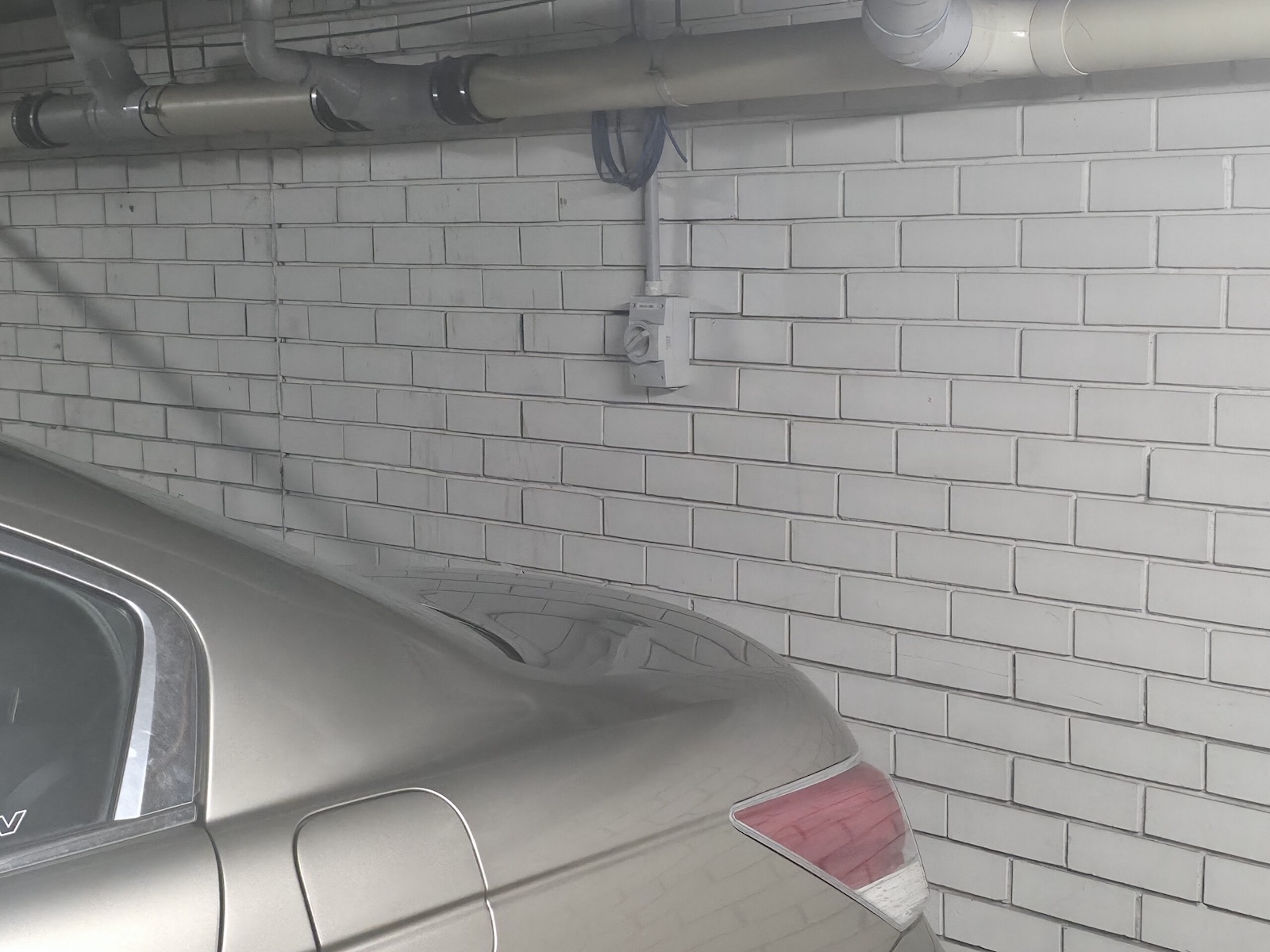
Gary tells me that there was a conversation with the electrician about using 3 phase power (a more expensive option), but the electrician advised that single phase would be sufficient. “Do you really need your car charged up and ready to go at 3:00 am? Slow charging will fill it up in ten hours. Plenty fast enough if you are at home.”
An apartment owner is currently going through the process of getting a charger installed. He showed Gary the updated Jetcharge website that lists many apartment blocks EV ready (8 in Queensland alone) and the simple process of obtaining a quote. This list is growing.
For apartment owners in Australia, the future is bright and electric. Not only that, but good stories like this one are making life easier for those living in condos/apartment blocks. Thanks for sharing your story, Gary.
Sign up for CleanTechnica’s Weekly Substack for Zach and Scott’s in-depth analyses and high level summaries, sign up for our daily newsletter, and follow us on Google News!
Have a tip for CleanTechnica? Want to advertise? Want to suggest a guest for our CleanTech Talk podcast? Contact us here.
Sign up for our daily newsletter for 15 new cleantech stories a day. Or sign up for our weekly one on top stories of the week if daily is too frequent.
CleanTechnica uses affiliate links. See our policy here.
CleanTechnica’s Comment Policy