
Aluminium Industry Seeks 15% Import Duty, Stricter Scrap Norms to Protect Domestic Producers

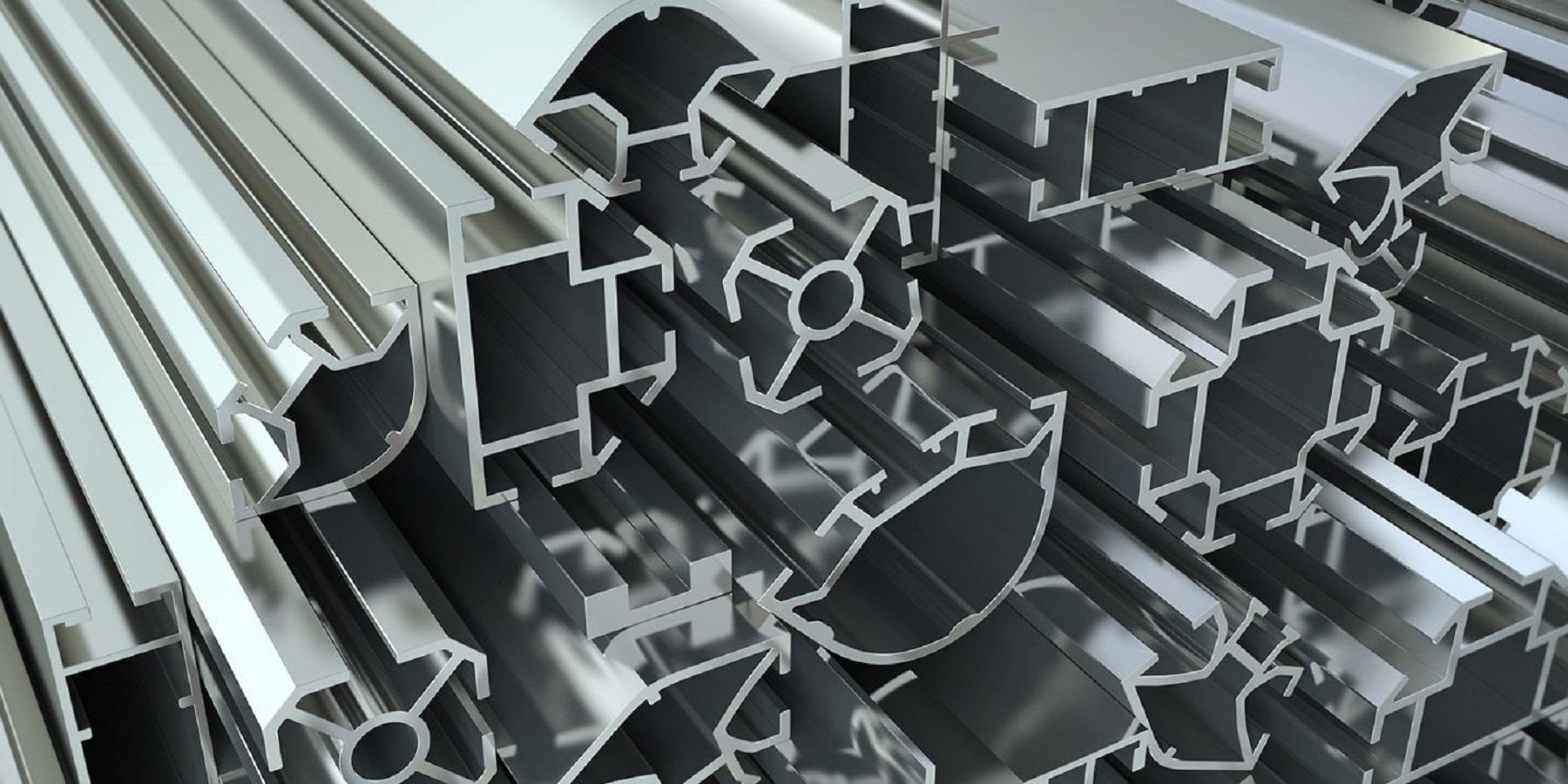
India’s aluminium industry has urged the government to impose a 15% import duty on all forms of aluminium products and tighten regulations on scrap imports to curb dumping and protect domestic manufacturers. The proposal, backed by major producers such as Hindalco Industries, Vedanta Aluminium, and NALCO, comes amid rising imports that have put pressure on domestic prices and production margins.
According to industry estimates, India’s aluminium imports surged by over 25% year-on-year during the first half of FY25, primarily from China, the UAE, and Malaysia. Industry leaders warn that the influx of cheap scrap and semi-finished aluminium is undermining the competitiveness of local producers.
“The current import duty structure is outdated and does not reflect the reality of aggressive dumping practices,” said Satish Pai, Managing Director of Hindalco Industries. “A 15% uniform import duty and stricter scrap import norms will create a level playing field and support India’s ‘Make in India’ initiative.”
Call for Stricter Scrap Regulations
Producers have also sought tighter quality checks and certification standards for imported aluminium scrap, citing environmental and safety concerns. They allege that a large portion of imported scrap is misclassified to evade duties, often entering under low-value categories that distort market dynamics.
The Aluminium Association of India (AAI) has submitted a detailed representation to the Ministry of Commerce and Industry, urging the government to align policies with those of leading economies that have imposed higher barriers on non-ferrous scrap imports.
Strategic Importance of Aluminium
Aluminium is a strategic metal crucial for sectors like infrastructure, defence, renewable energy, and electric mobility. India is the second-largest producer of aluminium globally, yet it remains highly vulnerable to import pressures, particularly in downstream segments.
Experts say a rationalized import duty and improved scrap regulation could boost domestic capacity utilization, attract new investments, and enhance India’s position as a global manufacturing hub for value-added aluminium products.
Government Response and Outlook
Officials from the NITI Aayog and Ministry of Mines are reportedly evaluating the proposal as part of broader efforts to strengthen the non-ferrous metals sector under the government’s industrial policy reforms.
“With the government’s emphasis on self-reliance and green manufacturing, there’s a growing recognition that the aluminium sector needs stronger policy support,” said an official familiar with the discussions.
If approved, the move could help stabilize prices, improve profitability across the value chain, and reduce India’s dependency on imports — a step industry stakeholders view as critical for achieving long-term sustainability in the metal and manufacturing ecosystem.