
Ascot Resources Places Premier Gold Project on Care and Maintenance After Contractor Talks Collapse

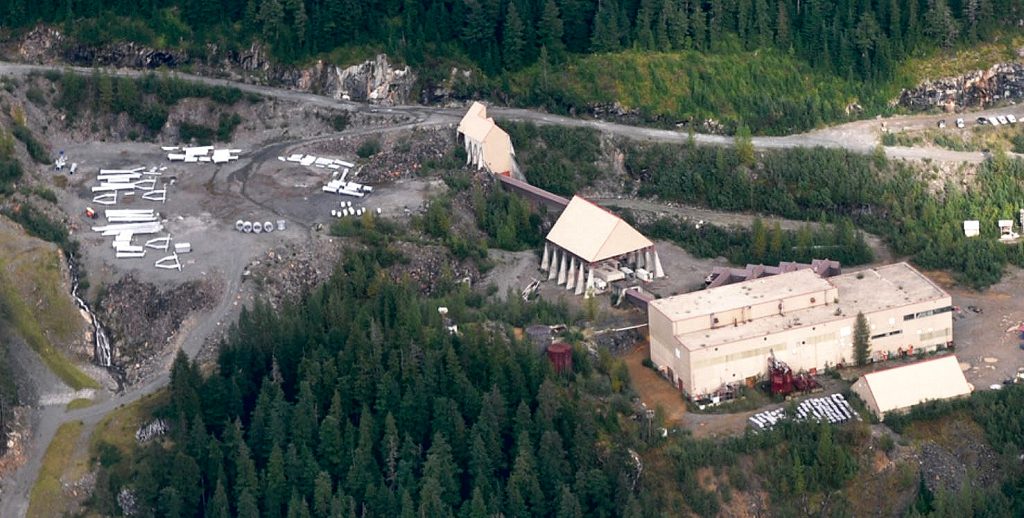
In a significant setback for its development plans, Ascot Resources Ltd. has announced that it has placed its flagship Premier Gold Project in northwestern British Columbia on care and maintenance, following the breakdown of negotiations with its primary mining contractor. The move casts uncertainty over one of Canada’s most anticipated near-term gold producers and reflects the growing complexity of executing mining projects in today’s operational environment.
Contractor Talks Collapse
At the core of the decision lies a failure to reach an agreement with the contractor responsible for executing a critical phase of the mine’s ramp-up. While details remain undisclosed, the breakdown reportedly involved contractual and commercial terms, with the impasse making it unfeasible for Ascot to proceed with the planned development schedule.
The mining contractor’s role was essential to achieving first production targets, and with no alternative arrangement secured in time, Ascot made the difficult decision to halt forward movement and preserve site integrity by entering care and maintenance mode.
Impact on Operations and Timeline
The Premier Gold Project was previously on track to begin production shortly, with mill commissioning activities already underway and ore stockpiled on site. The sudden shift to care and maintenance will now delay first gold pour, disrupt project timelines, and could potentially impact Ascot’s financial planning and investor confidence.
Ascot Resources has clarified that essential environmental and safety systems will remain active, and the site will be monitored and maintained until a new development plan is in place. This ensures compliance with regulatory requirements and protects the company’s long-term investment in the region.
Premier Project: A High-Grade Prospect on Hold
The Premier Gold Project, located near the historic mining town of Stewart, British Columbia, has been viewed as a high-grade, low-cost gold opportunity with the potential to revitalize the region’s mining activity. The project is situated in the prolific Golden Triangle, a region known for producing some of Canada’s most valuable mineral deposits.
With a processing plant largely rebuilt and infrastructure in place, Premier was seen as a near-term production asset with strategic importance. Ascot had touted it as the company’s transformative project, capable of transitioning the junior explorer into a full-fledged gold producer.
Strategic Reassessment Ahead
The company’s leadership will now face the challenge of reassessing project strategy, including potential renegotiation with existing contractors, exploring alternative service providers, or even internalizing certain operations. These considerations will likely be at the forefront of Ascot’s next steps as it works to regain momentum and rebuild its development path.
In the short term, the company will also need to manage investor expectations and maintain financial stability while navigating this unexpected pause. Given the scale and investment already committed to Premier, Ascot is expected to pursue a swift resolution, though no firm timeline has been provided.
Industry Implications
Ascot’s situation underscores the growing risk pressures in project execution across the mining sector. Contractor shortages, inflationary costs, labor availability, and logistical disruptions have made project timelines increasingly volatile, especially in remote or infrastructure-constrained locations like northwestern British Columbia.
This case also highlights how a single point of failure—such as a stalled contractor negotiation—can cascade into a broader operational halt, even for well-prepared companies with advanced-stage projects.