
Beneath the Earth’s Skin: Inside the World’s Deepest Underground Mine

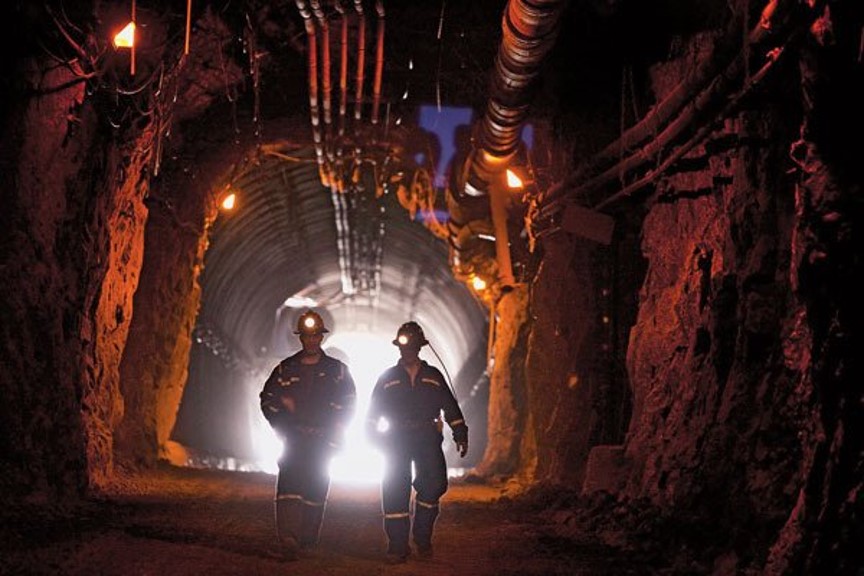
Imagine descending nearly four kilometers into the Earth, where rock walls sear at 60°C and the air is heavy with humidity. Welcome to Mponeng Mine—the world’s deepest underground mine and a marvel of modern engineering and human resilience.
A Record-Breaking Depth
Located near the town of Carletonville, approximately 90 km southwest of Johannesburg, South Africa, Mponeng plunges to a staggering 3,891 metres below datum, reaching 2,062 metres below sea level. Operational since 1986, the mine taps into the Ventersdorp Contact Reef, its primary gold-bearing orebody. Mining takes place at depths between 3,160 metres and 3,740 metres below the surface, using predominantly breast-mining techniques.
Surviving the Subterranean Furnace
Working conditions inside Mponeng are as extreme as its depth. Rock temperatures can soar to 60°C, and humidity levels often exceed 95%. To create a bearable work environment, the mine uses over 6,000 tonnes of ice slurry daily, pumped into underground reservoirs to cool the air. Additionally, massive ventilation systems with powerful fans circulate air through the narrow tunnels.
Daily Operations at Crushing Depths
Mining at these depths is a high-stakes operation. Each day, workers use about 5,000 pounds of explosives to fracture rock, followed by the removal of 6,400 tonnes of ore. The extracted rock is processed at the Mponeng gold plant using carbon-in-pulp technology—a conventional yet effective method for gold recovery.
A Testament to Human Endurance
Mponeng isn’t just a mine—it’s a symbol of human determination and technological prowess in the face of nature’s extremes. The challenges faced deep beneath the Earth’s crust—from intense heat and pressure to logistical complexity—are staggering. Yet, they are met daily by a skilled workforce and world-class engineering.