

Support CleanTechnica’s work through a Substack subscription or on Stripe.
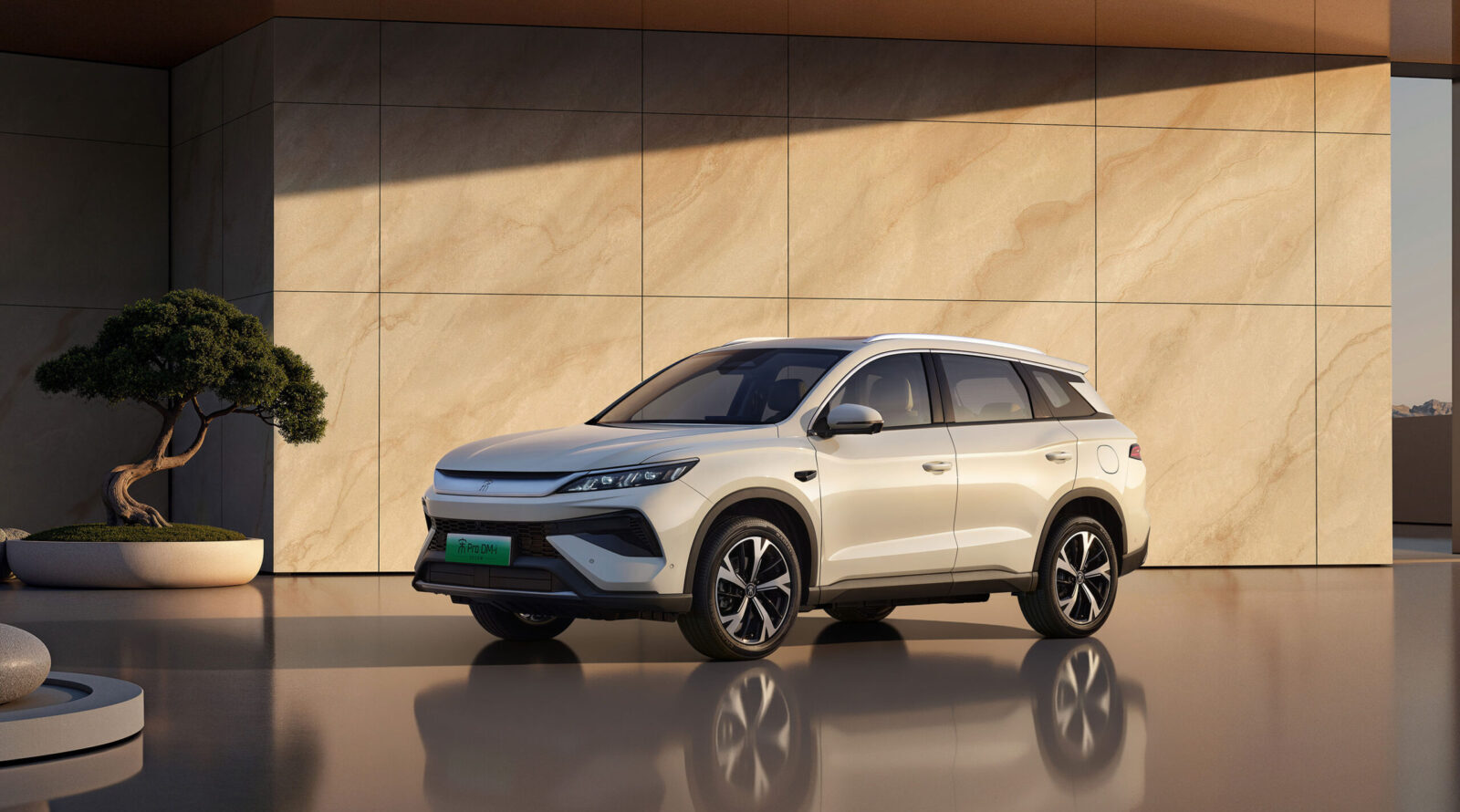
Prior to CES, I noticed that BYD was in the process of preparing for another major wave of product updates. Beyond the typical yearly models, BYD has started to launch major increases in capability and technology multiple times a year. In conversations at the show, several different people mentioned specifically that BYD was taking a product update approach more like cell phones than what we have become used to with automobiles. This change in product rollouts could have significant implications to the pace of technology iteration and how consumers interact with cars in the market.
Due to the Ministry of Industry and Information Technology (MIIT) filings months ahead of vehicles being approved for sale, people know that new, updated models are on the way. As such, automakers have limited control over when the public gets an indication that updated models are coming, even if the regulatory filings do not contain many of the details that potential customers might find interesting. Not having control of when the information is released creates complications for automakers making significant product improvements.
On one side, when people who recently bought a product find out that a new and significantly improved model is coming out shortly after completing their purchase, they can get upset. When BYD launched its Intelligent Driving edition across 21 models in February last year without increasing prices, there was significant public backlash from people who recently bought cars before the announcement. Not having advanced notice led to a significant amount of complaints. This has many people on the lookout for new model launches.
On the other side, you have the “Osborne Effect.” Made famous by the Osborne computer company, which announced an upgraded model was coming well ahead of its release. The company saw sales of its existing computer plummet from people waiting for the new model, leading to bankruptcy. BYD has the financial stability to make it from announcement through to delivery. However, it is likely to see sales impacted while people wait in anticipation of new models. Looking at December sales being lower than many expected, that may be a contributing factor.
The New Models Get Significant Upgrades
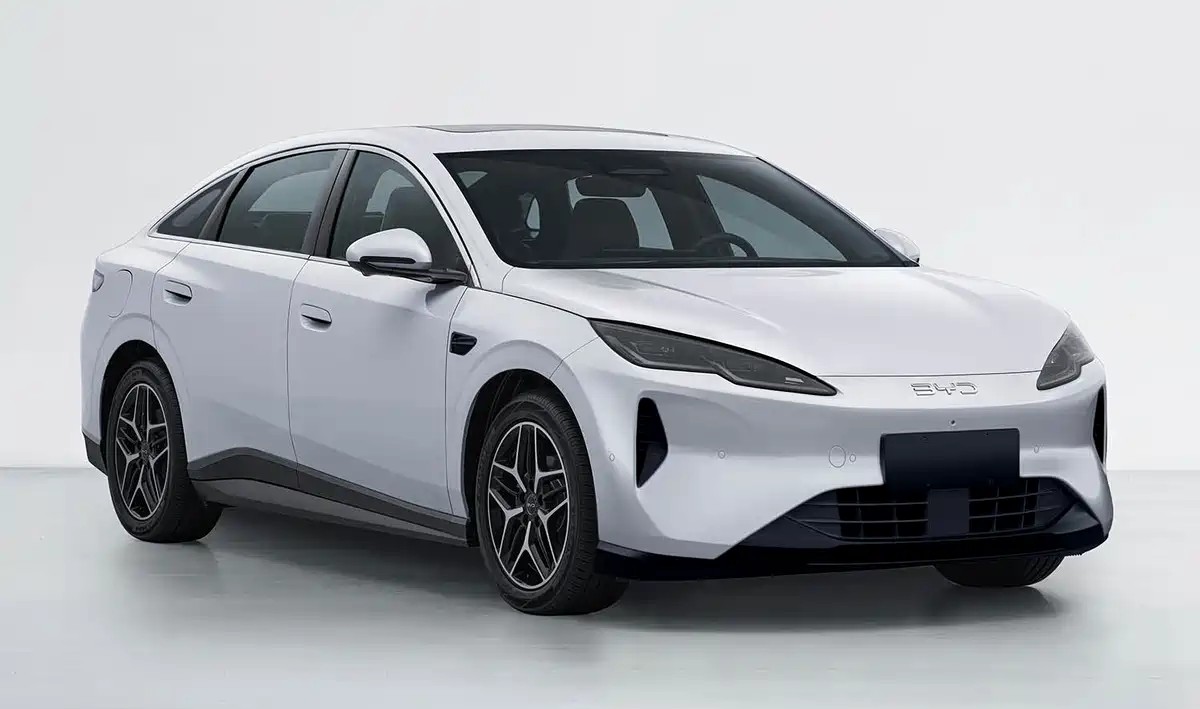
Overall, BYD’s BEVs are getting more powerful, more efficient, longer range, and a bit lighter. Some models may see larger increases in one area or the other, but they are improving across the board. The combination indicates a new battery and potentially a new-generation EV platform (4.0?). The larger motor also indicates faster charging, due to the vehicles using the power electronics and motor as an onboard charger. Several models are anticipated to shift to rear wheel drive. There are also likely some tech upgrades. On top of that, if BYD follows recent form, the upgraded models will not come with price increases.
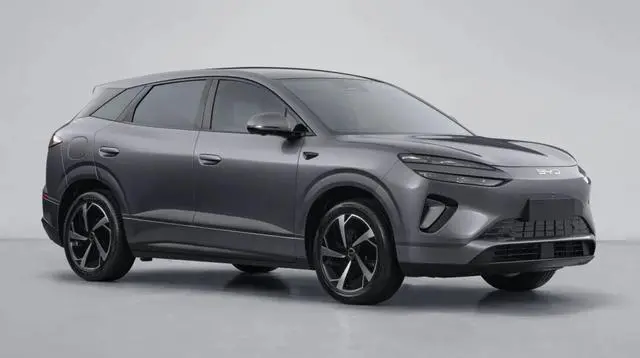
For example, the Sealion 06 EV, which launched last summer, in top RWD trim, power is increasing from 180 kW (241 hp) to 270 kW (362 hp), battery capacity is increasing from 78.72 kWh to 83.73 kWh, range is going from 605 km to 710 km … and it is dropping 10 kg in the process. If you knew that a model was coming with 121 more horsepower and 105 km more range, why would you buy now?

And it isn’t just BEVs. PHEVs are also getting another round or major upgrades, even though many of them saw upgrades months ago. For example, a year ago, the Qin L was offered with either 80 km or 120 km of CLTC range. Then the “2026” model launched last October with the smaller battery version eliminated and range increasing to 128 km. Then, last week, they launched a 210 km range update. Needless to say, some recent customers are not posting happy comments on Chinese social media.
And then there are spy shots of new vehicles. Some indicate new, larger Dolphin, Seal, Han, Tang, and Yuan models (potentially with “Max” designations). These are likely to come out in late 1Q or early 2Q, as they have not shown up in regulatory filings. But the public knows they are on the way.

Managing the Transition
There was only one BYD vehicle at CES, a Denza D9 MPV used to demonstrate Stingray’s onboard karaoke system. However, the largest EV maker in the world was on the minds of many at the show. Surrounded by launches of a vast array of technology products and several other Chinese EVs, it would have fit in well.
Overall, the speed of progress and release of new product is a good thing. It could make BYD’s cars more competitive, and competition will step up in response, leading to better EVs on the market. Companies like Huawei and Xiaomi already know how to keep that pace from their phone divisions, but slower legacy automakers could struggle. China is moving fast. In closed markets where the product can feel stale, it is something many of us wish we had.
The multiple product updates per year in China also can lead to challenges. There is an argument for waiting to do larger upgrades all at once. That might be easier to manage. But then the bigger jump might lead to a larger drop in demand for existing models in anticipation of the new launches.
To compound the issue, new regulations in China make it more difficult to manage inventory. Every model in every trim needs to be sold above cost for both the manufacturer and dealer (i.e., gross profitable), and promotions are restricted. Under the regulation, it is not just needing to sell above cost of goods sold, but also “management expenses, financial expenses, and sales expenses,” which tend to fall under operating expenses. For comparison, GM and Ford are not even gross profitable on their EVs. In addition, dealers can essentially no longer export 0-mile used cars to manage inventory. Overall, these measures should have a positive impact on the car industry in China, but they also create inventory challenges. You will not see the kinds of sales and promotions that often happen with phones. As such, dealers might try to avoid ordering vehicles for inventory well ahead of new product launches.
However, existing cars on the road are not going obsolete, and are often getting better. BYD has also been rolling out multiple OTA updates to existing customers that add features and improve performance. Drivers can get higher efficiency and longer range than when they bought their cars. As BYD is not charging for these software upgrades, it should get some good will. Performance is improving with time, and the componentry is durable. People will not need to upgrade, but they may want to.
The hardware is improving at a rapid pace. Progress is good, but some recent purchasers are likely to get frustrated. Some people will likely hold out for the next model … some might even get nervous when it becomes available that something even better is around the corner and hold out again.
In many ways, it is like phones. If you buy a new phone, an improved version is likely coming soon. There is always a new technology or feature to talk about. People who were once frustrated have become accustomed to the speed of product releases. Other than a few enthusiasts waiting for a major release, most people just buy the phone when they need it. The practice hasn’t hurt phone companies, with the brands launching regular releases rising to the top while slower competitors diminish in the market.
On the other hand, a car is a much larger purchase. Many have become accustomed to the slower pace of product releases. Many customers will have a hard time adjusting. That could especially be the case in the US, where the average new car buyer is a couple of decades older than the buyers in China who grew up with smartphones.
However, technological progress could accelerate with the speed of product releases. Iterations will happen faster for hardware (for new cars) and software (can also include many existing cars). With each iteration, the cars can better meet customer needs and become more refined. Automakers who cannot keep up with the pace of updates could fall behind. But people could come to expect manufacturers to constantly be making improvements. That constant progress should leave the world with better EVs.
Sign up for CleanTechnica’s Weekly Substack for Zach and Scott’s in-depth analyses and high level summaries, sign up for our daily newsletter, and follow us on Google News!
Have a tip for CleanTechnica? Want to advertise? Want to suggest a guest for our CleanTech Talk podcast? Contact us here.
Sign up for our daily newsletter for 15 new cleantech stories a day. Or sign up for our weekly one on top stories of the week if daily is too frequent.
CleanTechnica uses affiliate links. See our policy here.
CleanTechnica’s Comment Policy