
Centre Strengthens North-East Mining Agenda at Guwahati Conclave

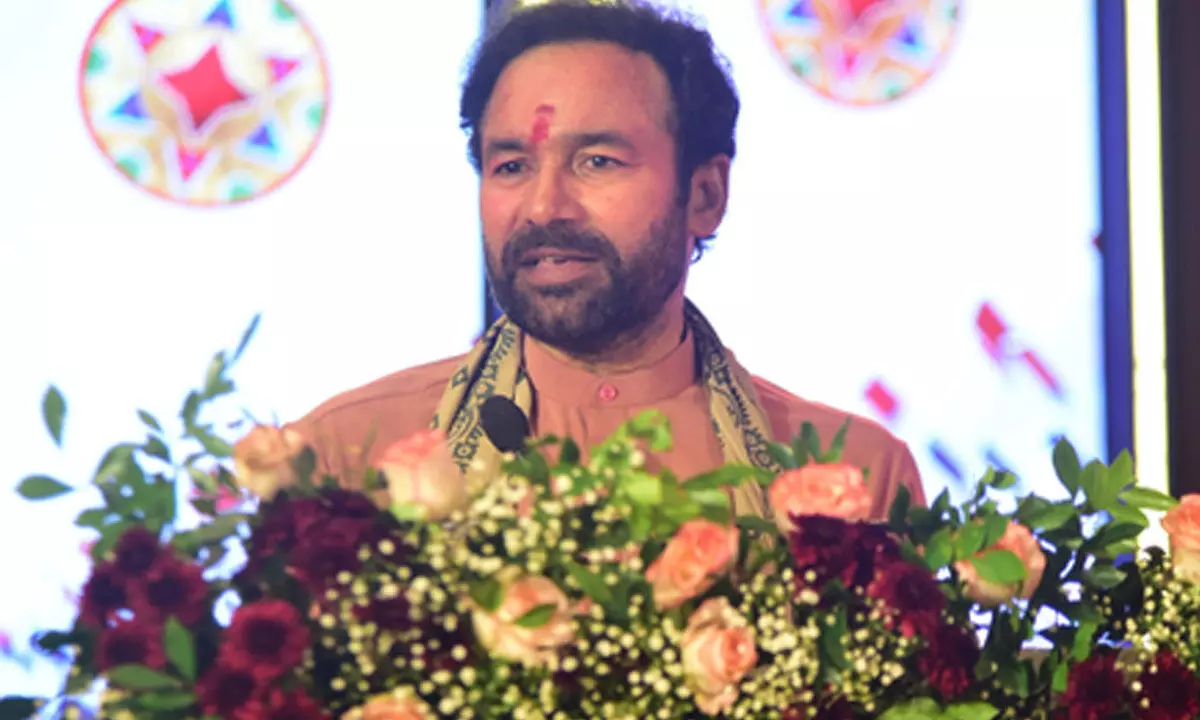
At the 2nd North-East Mining Ministers’ Conclave in Guwahati, the Union government reaffirmed its full support for unlocking the mineral potential of the region. The event underscored policy measures, institutional support, and collaborative frameworks aimed at transforming the North-East into a mining and economic powerhouse.
1. Centre’s Commitments to Mining Sector
Union Minister for Coal and Mines, Shri G. Kishan Reddy, emphasized the government’s focused efforts to:
-
Strengthen mining infrastructure across the North-East.
-
Fast-track environmental and administrative clearances.
-
Promote sustainable and technology-driven mining.
-
Ensure Centre-State synergy for seamless implementation of mining projects.
These priorities are in line with the national vision to enhance domestic mineral production and reduce import dependence.
2. State Governments’ Roadmap and Aspirations
All eight North-Eastern states—Assam, Arunachal Pradesh, Meghalaya, Manipur, Mizoram, Nagaland, Tripura, and Sikkim—presented individual development plans. These included:
-
Identification and auctioning of new mineral blocks.
-
Plans to revive inactive coal mines.
-
Focus on critical minerals exploration to support energy transition industries.
-
Commitments to environmental safeguards and indigenous employment.
States expressed readiness to align local goals with national mining reforms, especially in expanding resource-based industries.
3. Institutional Expansion: New IBM Office in Guwahati
A key announcement during the conclave was the inauguration of a regional office of the Indian Bureau of Mines (IBM) in Guwahati. This office will:
-
Serve as a technical hub for mining assessments and approvals.
-
Support regulatory enforcement in the region.
-
Help streamline data collection, compliance, and industry coordination.
The move aims to bring faster decision-making closer to where exploration and extraction are happening.
4. Push for Modern Exploration and Sustainability
Officials urged geoscientific agencies to adopt modern, efficient, and time-bound exploration practices. There was an emphasis on:
-
Discovering untapped mineral reserves, particularly in remote terrain.
-
Using drone surveys, satellite imagery, and AI-based tools to accelerate prospecting.
-
Ensuring minimal environmental disruption through scientific mining methods.
The Centre reiterated its commitment to a model where development and ecology co-exist.
5. Policy Alignment with National Vision
The conclave echoed the broader goal of achieving Viksit Bharat by 2047, with the North-East positioned as a key contributor to India’s mineral security. Stakeholders emphasized:
-
Leveraging the region’s rich geological potential for long-term industrialization.
-
Enhancing connectivity, logistics, and mining-related skilling for local populations.
-
Integrating research institutions to support innovation in resource extraction and processing.
The strategic approach will also boost employment, infrastructure development, and tribal welfare in mining zones.
The Guwahati Conclave marked a turning point in India’s mining policy as it relates to the North-East. Through a combination of financial commitment, policy clarity, and institutional strengthening, the Centre and state governments are setting the stage for sustainable and inclusive growth. With active collaboration, the mineral wealth of the North-East is poised to play a central role in India’s industrial future.