
Centre wants to rewrite the mining playbook but states say the changes will cost them thousands of crores

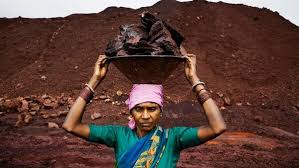
The Union government’s latest proposal to overhaul India’s mining framework has triggered strong resistance from several mineral-rich states, which claim the changes could result in a substantial loss of revenue—running into thousands of crores annually.
According to senior officials, the Centre aims to modernize the existing mining playbook by increasing transparency, enhancing private participation, and streamlining clearances. The proposed reforms are expected to accelerate production of key minerals, reduce import dependence, and boost domestic manufacturing under initiatives like Atmanirbhar Bharat.
However, states argue that the new rules could reduce their autonomy over mineral resources and significantly impact royalties, premiums, and auction revenues—key contributors to their budgets. States such as Odisha, Chhattisgarh, Rajasthan, and Jharkhand, which together account for a major share of India’s mineral output, have raised objections during preliminary consultations.
State representatives say the proposal to revise royalty structures and allow greater central oversight of auctions may disproportionately benefit private players while diminishing state earnings. Some states have also expressed concern that the new norms could undermine federal principles enshrined in the Constitution.
Industry experts are divided. While some believe uniform rules will attract global investors and speed up exploration, others caution that weakening states’ financial inflows could create friction and slow implementation.
The Centre is expected to hold further rounds of discussions before finalizing the reform blueprint. With both sides standing firm, the debate over India’s mining future is shaping up to be a major policy flashpoint in the months ahead