
China’s Actions Severely Impact India’s Auto Industry: A Deep Dive into the Disruption

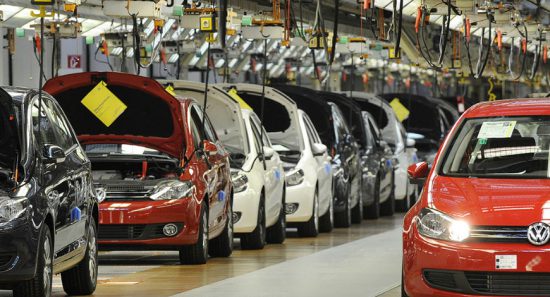
Over the past few years, geopolitical tensions and policy shifts between China and India have led to significant disruptions in several sectors — with the Indian automobile industry being one of the worst affected. From a heavy reliance on Chinese imports to the ripple effects of strained trade relations, India’s auto sector is undergoing a major transformation. Let’s explore how China’s actions have impacted the Indian automotive landscape and what lies ahead.
1. Heavy Dependency on China for Auto Components
India’s auto industry, one of the largest in the world, heavily depends on China for critical components. According to the Automotive Component Manufacturers Association (ACMA), China accounts for around 26% of India’s auto component imports. These include:
-
Engine and transmission parts
-
Electronic control units (ECUs)
-
Sensors and semiconductors
-
Lithium-ion cells and battery packs for EVs
Any disruption in Chinese supply directly hits production capabilities in India.
2. Semiconductor Shortage Crisis
A global semiconductor shortage that began in 2020 was further intensified by export restrictions and manufacturing halts in China due to lockdowns and energy shortages. Indian automakers, including Maruti Suzuki, Tata Motors, and Mahindra, faced production delays and output cuts due to an acute chip shortage.
China being a major player in semiconductor assembly, its internal policy decisions and production bottlenecks had a cascading impact on India’s manufacturing lines.
3. EV Ecosystem Setback
India’s ambitious push towards electric vehicles (EVs) was also hit hard. China is the global leader in lithium-ion battery production, controlling over 70% of the world’s battery supply chain. Indian companies rely on Chinese imports for:
-
Lithium cells
-
Battery management systems (BMS)
-
Rare earth elements like cobalt and nickel
Tensions along the border and stricter import regulations have led to delays in EV manufacturing and price hikes, especially for two-wheelers and commercial EVs.
4. Customs Delays and Regulatory Hurdles
Following the Galwan Valley clash in 2020, India ramped up scrutiny of Chinese imports. Customs authorities began holding up shipments at ports for longer inspections, delaying critical parts and raw materials for weeks. This severely impacted Just-In-Time (JIT) manufacturing processes which the Indian auto sector heavily relies on.
5. Price Inflation and Production Losses
Due to these disruptions:
-
Automakers were forced to look for alternative sources, often at higher prices.
-
Production timelines extended, leading to backlogs in vehicle deliveries.
-
Prices of finished vehicles — especially in the mid and premium segments — increased significantly.
-
According to estimates, production delays and component shortages led to losses worth thousands of crores in the Indian automotive sector.
6. Strategic Shift Toward Localization
In response, Indian manufacturers and the government are focusing on “Aatmanirbhar Bharat” (self-reliant India) initiatives:
-
Investment in domestic semiconductor fabs and battery manufacturing units.
-
FAME-II scheme and PLI (Production Linked Incentive) programs to boost EV and component production.
-
Encouragement of partnerships and joint ventures with non-Chinese firms in countries like South Korea, Japan, and Taiwan.
Companies like Ola Electric, Reliance New Energy, and Tata Electronics are taking bold steps toward building indigenous supply chains.
7. The Road Ahead
While the immediate future may still face bumps, India’s auto sector is gradually de-risking its dependence on China. This transition, however, requires time, robust policy support, and substantial investment. The current crisis has also highlighted the critical need for supply chain diversification and the importance of investing in R&D and local manufacturing.
China’s actions — whether intentional policy shifts or unintended pandemic responses — have exposed the vulnerability of India’s auto industry. However, they have also served as a wake-up call, pushing India towards a more resilient, self-reliant future in automobile manufacturing.
The coming decade could see a transformed Indian auto ecosystem — one that is less dependent on external forces and more aligned with global sustainability and innovation goals.