
China’s Rare Earth Squeeze May Push India–US Deal Towards Finish Line — But Timing Is Critical Amid US–China Manoeuvres

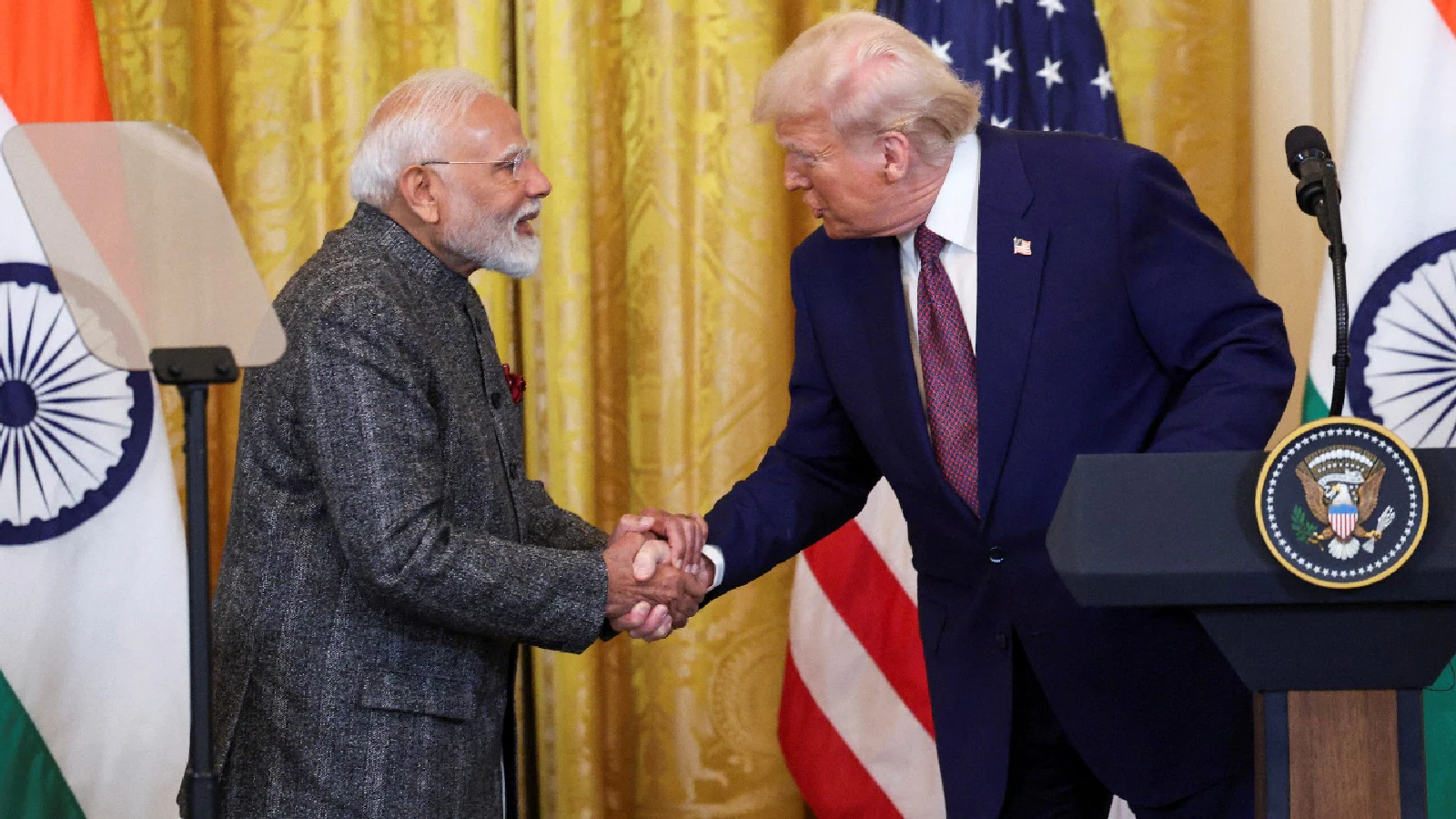
In the complex web of global trade and technology geopolitics, control over rare earth elements (REEs) has emerged as one of the most decisive strategic tools. As China tightens its grip on rare earth exports — the essential raw materials that power everything from electric vehicles and smartphones to missiles and advanced semiconductors — nations across the globe are scrambling to secure alternative supply chains. Among them, India and the United States appear poised to accelerate their long-discussed strategic deal on critical minerals. However, the clock is ticking, and the timing of this cooperation may prove as critical as the deal itself.
China’s Strategic Leverage
China currently dominates the global rare earth market, controlling nearly 70–80% of mining, refining, and processing capacity. This dominance gives Beijing immense leverage over high-tech industries worldwide. Over the past few years, China has hinted at or implemented export restrictions on specific rare earths in response to geopolitical frictions — from trade wars with the US to disputes in the South China Sea and Taiwan Strait.
The latest signs of a “rare earth squeeze” — including export curbs on gallium, germanium, and graphite — have sent alarm bells ringing in Washington and New Delhi. These materials are indispensable for defense, clean energy technologies, and electronic manufacturing. China’s strategic tightening is seen not only as an economic move but as a calculated geopolitical signal to remind the world of its critical role in the supply chain.
India–US Alignment: A Natural Convergence
India holds significant untapped reserves of rare earth elements, ranking among the top five globally. However, limited refining technology and lack of large-scale processing capacity have prevented it from fully capitalizing on this potential. The United States, on the other hand, has advanced technology and capital but faces dependence on Chinese imports.
This complementarity provides a natural foundation for deeper collaboration. The India–US Critical Minerals Partnership, discussed over recent strategic dialogues and high-level visits, aims to address precisely this gap — combining India’s resource base with American expertise and investment.
Such cooperation is not just about resource diversification; it represents a cornerstone of a broader Indo-Pacific strategy to reduce dependency on Beijing’s supply chain dominance.
Why Timing Matters
While the geopolitical logic is strong, the timing of finalizing an India–US deal is crucial. The global race for supply chain independence has intensified, with countries like Australia, Canada, and Japan also deepening their cooperation with Washington on rare earth security. If the India–US framework stalls amid bureaucratic delays or political hesitations, it risks losing momentum and relevance.
Moreover, the shifting dynamics in US–China relations — oscillating between competition and cautious engagement — complicate the picture. Washington’s stance may fluctuate depending on election cycles and diplomatic priorities, while New Delhi must balance its own strategic autonomy in foreign policy.
If China continues to weaponize its rare earth dominance, India’s swift move into the global supply chain could transform it into a reliable alternative hub. But any delay could allow others to capture that strategic space.
Strategic and Economic Stakes for India
For India, this is an opportunity not merely for trade gains but for a structural upgrade of its industrial ecosystem. Developing domestic capabilities in extraction, refining, and value-added manufacturing could propel the nation into the forefront of green technology and defense production.
By partnering with the US, India could access cutting-edge processing technologies and attract major investments into mining infrastructure, research, and skill development. This could also support the “Make in India” and “Atmanirbhar Bharat” (self-reliant India) missions — reducing dependence on imports while fostering global exports.
However, India must tread carefully. Environmental challenges, regulatory hurdles, and technological gaps remain significant. Mining and processing rare earths require stringent sustainability standards, an area where India’s policy framework still needs refinement.
US Interests: Reducing Strategic Vulnerability
For Washington, this deal serves a dual purpose. First, it helps to fortify the domestic industrial base by ensuring steady access to non-Chinese rare earth supplies. Second, it deepens the US–India strategic partnership — a relationship increasingly viewed as pivotal to counterbalance China’s influence across the Indo-Pacific.
A successful India–US rare earth collaboration could also reinforce other multilateral initiatives like the Quad and the Indo-Pacific Economic Framework (IPEF), integrating critical mineral supply chains into shared strategic objectives.
A Balancing Act Amid Great Power Rivalry
Yet, amid the high stakes, both nations must navigate the delicate balance of cooperation without provoking overt escalation. India maintains economic ties with China in various sectors, and a hard alignment with Washington on critical minerals could draw scrutiny from Beijing. Meanwhile, the US must ensure its approach complements India’s national interests rather than appearing extractive or one-sided.
Diplomatic finesse will therefore be key — ensuring the partnership is framed as a global stabilization effort rather than a bloc-based confrontation.
The Road Ahead
If executed with urgency and foresight, the India–US rare earth deal could be a defining moment in reshaping the global minerals map. It would not only strengthen both nations’ strategic autonomy but also help stabilize supply chains vital for the clean energy transition, digital economy, and defense modernization.
However, every month of delay gives China more time to consolidate its advantage. The rare earth squeeze is a reminder that control over resources today translates into power over technology tomorrow.
Conclusion
China’s tightening hold on rare earths has once again exposed the fragility of global supply chains. For India and the United States, the moment to act is now. With the right mix of speed, strategy, and synergy, their partnership could redefine not just the rare earth market but also the balance of power in the 21st-century technology race.
The message is clear: in the new age of resource geopolitics, timing is not just important — it is everything.