
China’s State-Backed Trader Emerges as Dominant Force in $130 Billion Iron Ore Market Within Three Years

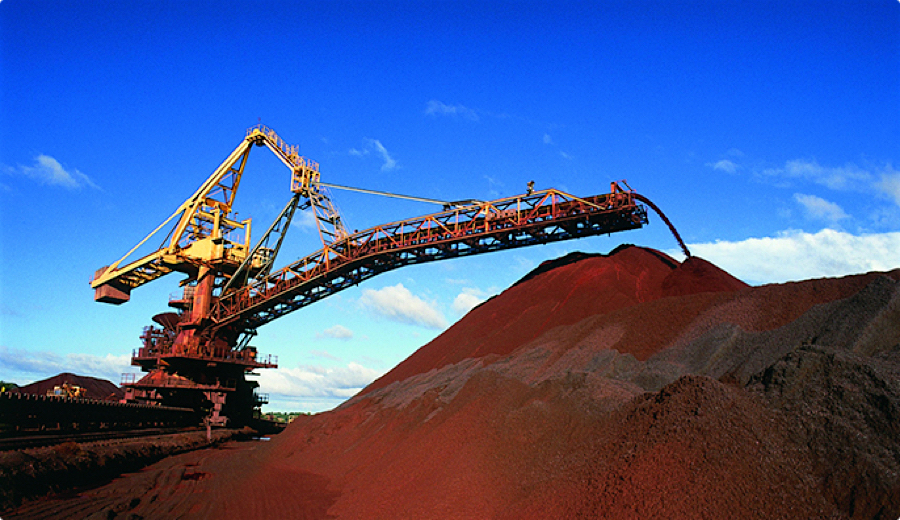
In a dramatic consolidation of power within China’s commodity trade, a Chinese government-run trading company — established just three years ago — has swiftly become the single largest player in the country’s $130 billion iron ore import market, signaling a major shift in how the world’s top steel-producing nation manages its critical raw material supply.
This fast-rising enterprise is not just a symbol of Beijing’s ambition to exert greater control over strategic resources — it is now reshaping the global iron ore trade, influencing pricing dynamics, and challenging long-dominant mining giants such as Vale, Rio Tinto, and BHP.
Background: The Strategic Importance of Iron Ore
China is the world’s largest importer of iron ore, accounting for over 70% of global seaborne trade. The commodity is essential to China’s massive steel sector, which in turn underpins the nation’s infrastructure, real estate, automotive, and manufacturing industries.
Historically, Chinese steelmakers have procured iron ore individually, which weakened their bargaining position against mining majors. Recognizing this fragmentation, China’s central government sought to unify and centralize iron ore procurement, aiming to gain leverage in price negotiations and improve supply chain resilience.
Rise of the State-Backed Trading Giant
The unnamed state trader — often referred to in industry circles as China Mineral Resources Group (CMRG) — was formed in 2022 under the supervision of the State-owned Assets Supervision and Administration Commission (SASAC). Backed by central authorities, the firm was tasked with:
-
Centralizing iron ore purchases for state-owned steel enterprises
-
Building strategic stockpiles of critical minerals
-
Negotiating long-term deals with international miners
-
Enhancing China’s influence over global commodity pricing
Within just three years, this trader has outpaced traditional commodity houses and private importers to become China’s largest single buyer of iron ore, handling a significant portion of the country’s 1+ billion tonnes of annual imports.
Impact on Global Markets
The meteoric rise of the state trader is altering the landscape of the global iron ore market in several ways:
-
Pricing Power: By consolidating demand, China aims to shift iron ore pricing away from spot-market volatility toward long-term, index-linked contracts favorable to its steelmakers.
-
Direct Negotiations: The trader is now leading negotiations with major suppliers such as Vale (Brazil), BHP and Rio Tinto (Australia), cutting out layers of middlemen.
-
Market Discipline: With centralized buying, China can better manage inventory cycles, reduce speculative imports, and influence domestic steel output based on macroeconomic priorities.
-
Transparency and Compliance: The state trader also enforces stricter standards in ESG (Environmental, Social, Governance) compliance and digital tracking of ore origins.
Challenges and Global Response
Despite its rapid ascent, the state trader’s growing dominance is not without challenges:
-
Pushback from private steelmakers in China who still prefer decentralized procurement for flexibility.
-
Concerns from global miners who fear over-centralization may lead to price suppression or aggressive renegotiation of existing supply contracts.
-
Geopolitical scrutiny, especially from countries like Australia and Brazil, whose economies are closely tied to China’s iron ore demand.
Nonetheless, many global mining giants have adapted to the new order, recognizing the trader as a permanent fixture in future negotiations.
Looking Ahead
The centralization of China’s iron ore imports under a state-backed behemoth is part of a broader strategy of resource security and supply chain sovereignty, which includes rare earths, lithium, and energy minerals.
With the trader’s influence continuing to grow, the global iron ore trade is likely to see more stable pricing, greater contract standardization, and sharper strategic competition as nations seek to replicate China’s model of centralized mineral acquisition.
In just three years, China’s state-run iron ore trader has transformed from an experiment into a global powerhouse, redefining how the world’s largest steel producer sources its most vital raw material. Its rise marks a new era of commodity diplomacy and centralized procurement, positioning China not only as the biggest buyer — but now, potentially, the price-setter in the world iron ore market.