
Coal Additions Beyond NEP 2032 Targets Economically Unviable for India: Ember Report

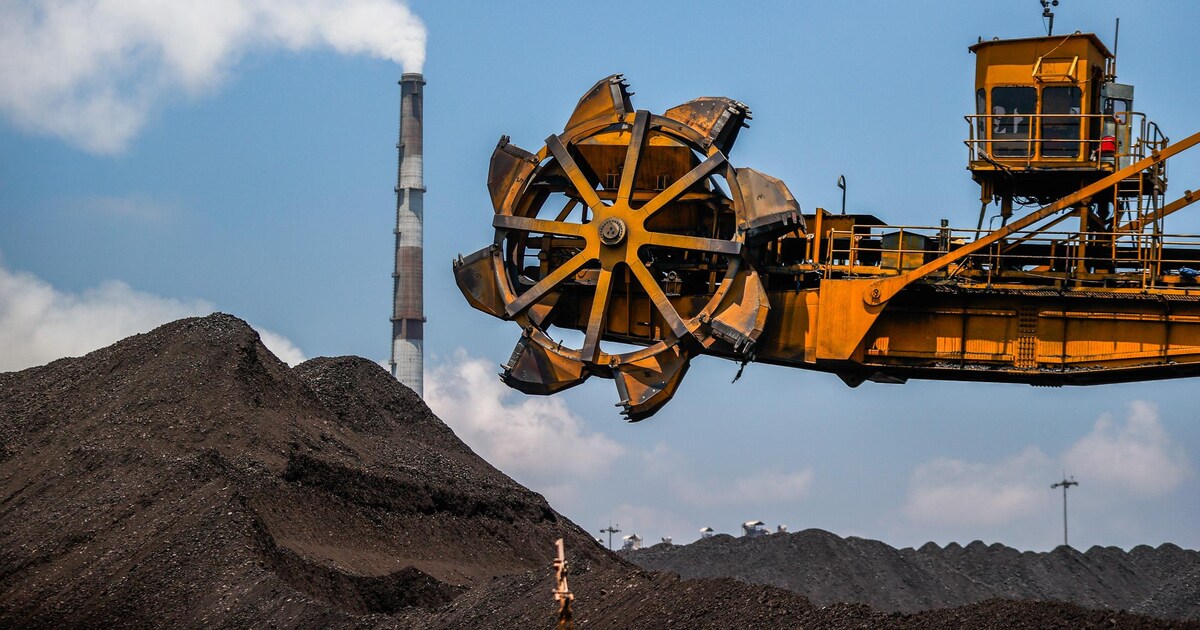
Expanding coal power capacity beyond India’s National Electricity Plan (NEP) 2032 targets would be uneconomical and counterproductive, according to a new analysis by global energy think tank Ember. The report warns that additional investments in coal could lead to stranded assets, higher electricity costs, and increased emissions, undermining India’s clean energy goals.
The Ember report emphasizes that India’s current NEP 2032 framework already accommodates the necessary coal capacity to ensure energy security while supporting the transition to a low-carbon grid. Any further coal additions, it notes, would “not align with future demand growth projections or evolving market economics.”
“Coal expansion beyond NEP 2032 is unnecessary and economically inefficient,” said Aditya Lolla, Asia Programme Director at Ember. “Renewables, coupled with storage, are rapidly becoming the cheaper and cleaner option for India’s future energy needs.”
Renewables Outpacing Coal
India’s power sector is undergoing a rapid transformation, driven by record renewable energy deployment. The country has already crossed 200 GW of renewable capacity and is targeting 500 GW of non-fossil energy capacity by 2030. Falling costs of solar, wind, and battery storage are now making renewables more competitive than new coal-based plants.
According to Ember’s analysis, new coal projects would not only be costlier to operate but would also run below capacity as renewable energy and flexible power systems expand. This could lead to financial strain on state utilities (discoms) and inefficient use of capital.
Stranded Assets and Emission Risks
The report estimates that additional coal investments could result in stranded asset risks worth over ₹1.5 lakh crore by the mid-2030s. Moreover, these projects would push India’s emissions higher, making it harder for the country to meet its net-zero target by 2070 and Nationally Determined Contributions (NDCs) under the Paris Agreement.
“India’s coal utilization rate is already declining. Building more plants will only create idle capacity that taxpayers and consumers ultimately pay for,” Lolla added.
Policy and Economic Implications
The Ember study recommends that India should prioritize flexible and clean energy systems, including grid-scale storage, demand response mechanisms, and transmission upgrades, rather than adding new coal capacity. These measures would enhance reliability without locking the country into decades of high-carbon infrastructure.
Energy experts agree that adhering to NEP 2032 targets will help India balance energy security with economic prudence. “The path forward lies in renewable integration and grid modernization, not in expanding coal,” said Rishabh Jain, energy analyst at CEEW.
Government and Industry Outlook
The Ministry of Power has reiterated that coal will remain part of India’s energy mix “for stability and base-load supply,” but officials also confirm that no major coal additions are planned beyond the current NEP.
As India’s electricity demand grows with industrial and economic expansion, experts argue that renewables and energy storage can meet incremental demand more affordably and sustainably.
Ember’s findings reinforce a clear message — India’s clean energy transition is now an economic imperative, and coal expansion beyond NEP 2032 would only delay progress while straining financial and environmental resources.